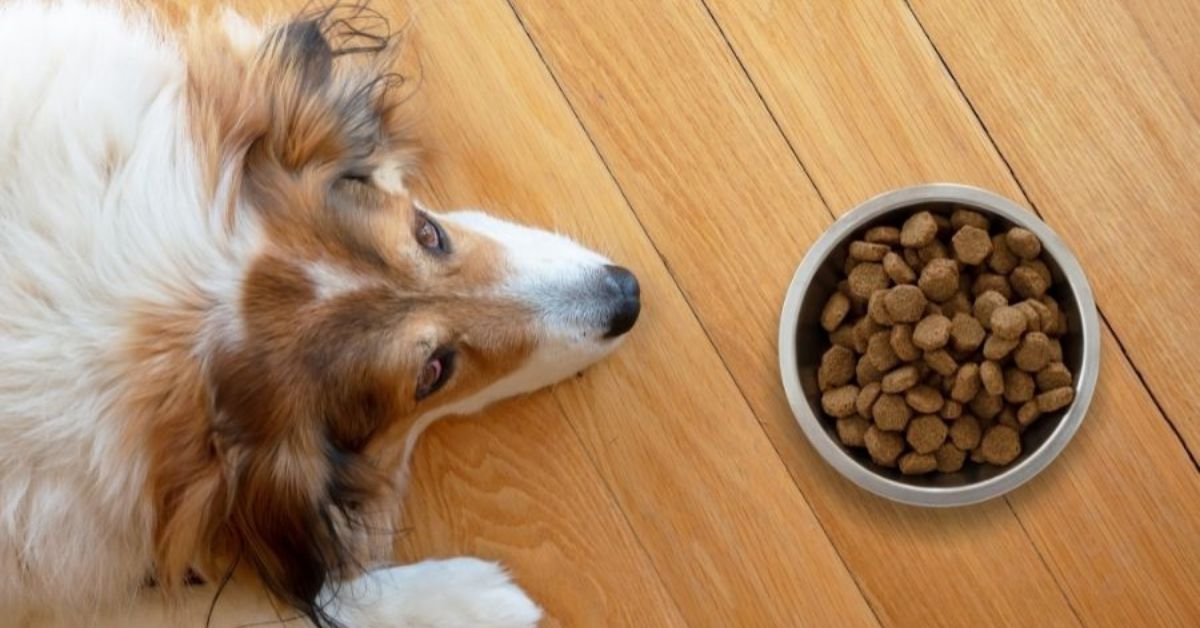

Can Dogs Eat Raisins? No, Dogs absolutely should not eat raisins under any circumstances. Raisins, along with grapes, are highly toxic to dogs and can cause severe kidney damage that may quickly become life-threatening. The exact toxin is unknown, but even small amounts, like one or two raisins, can cause acute kidney failure in certain dogs.
Why Are Raisins Bad for Dogs?
Raisin toxicity occurs because dogs’ bodies cannot properly metabolize compounds like flavonoids, tannins, and monosaccharides found in grapes and raisins. This causes kidney damage and can lead to sudden acute kidney failure. The severity varies widely between individual dogs, and there is no known safe amount for any dog.
Signs of Raisin Toxicity in Dogs
Symptoms usually appear within 12 to 24 hours and include:
- Vomiting and/or diarrhea
- Lethargy and weakness
- Decreased appetite
- Increased thirst and urination, followed by reduced urination
- Bad breath with ammonia-like smell
- Dehydration and abdominal pain
Without prompt treatment, kidney failure develops, causing severe health risks and possibly death.
My Dog Ate Raisins—What Do I Do?
If your dog eats raisins:
- Contact your veterinarian or emergency pet poison line immediately
- Provide details about how many raisins, when ingestion happened, and any symptoms
- Follow veterinary instructions carefully
- Do not induce vomiting unless explicitly told to do so by your vet
Early treatment can be life-saving.
How Vets Treat Dogs Who Ate Raisins
Veterinarians may induce vomiting and administer activated charcoal to limit riboflavin absorption. Hospitalization with IV fluids and bloodwork monitoring kidney function is often required to ensure recovery and prevent organ failure.
What Happens if My Dog Eats Just One Raisin?
Even a single raisin can cause toxicity and should be treated as an emergency. The response is unpredictable and depends on the individual dog’s sensitivity.
What Types Of Grapes Are Dangerous To Dogs?
All kinds of grapes and their dried forms, including raisins and sultanas, pose toxic risks to dogs. This includes organic, seedless, or cooked grape products.
Steps To Take If Your Dog Eats Grapes Or Raisins
- Act quickly and call your vet or poison control.
- Do not wait for symptoms to appear.
- Follow vet instructions for decontamination and treatment.
Prevention and early action are key to saving your dog’s life.
👉 If you’re curious about other food items, check out Can Dogs Eat Peaches? 🍑
Other Common Foods Toxic to Dogs
- Chocolate
- Xylitol (in sugar-free gums, candies, and peanut butter)
- Onions and garlic
- Alcohol and caffeine
Always consult your vet before sharing any “people food” with pets.
Conclusion: Raisins Are Dangerous—Never Feed Your Dog Raisins
Raisins are one of the most dangerous foods for dogs. Even a tiny amount can cause acute kidney failure and potentially be fatal. Protect your dog by keeping all raisins, grapes, and foods containing these fruits strictly out of reach. If your dog eats raisins, treat it as a veterinary emergency and seek immediate medical help..
For more on the toxicity, see Raisin – Wikipedia.
FAQs About Can Dogs Eat Raisins?
Disclaimer: This article is for informational purposes only and is not a substitute for professional veterinary advice. Always consult your veterinarian before introducing any new foods or supplements to your dog’s diet.