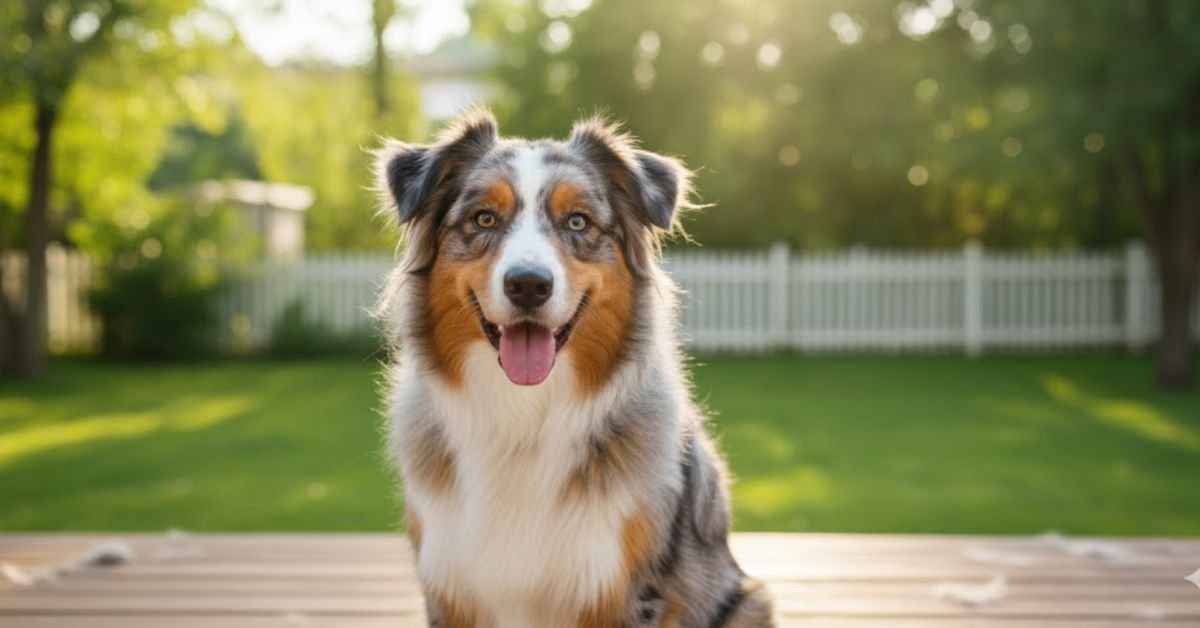
Australian Shepherds, affectionately known as “Aussies,” are among the most intelligent, energetic, and loyal dog breeds in the world. Known for their striking coat colors, agile bodies, and playful personalities, Aussies make wonderful companions for active families. However, one important consideration for potential owners is their shedding habits.
Do Australian Shepherds Shed? In this guide, we’ll cover everything you need to know about Australian Shepherd shedding, coat care, grooming routines, and practical tips for managing hair around the house.
Understanding the Australian Shepherd Coat
Aussies are equipped with a double coat, which is part of what makes them beautiful but also contributes to shedding.
Coat Structure
- Undercoat: Soft, dense, insulating layer to keep them warm in winter.
- Outer coat: Medium-length, straight to slightly wavy, water-resistant coat that protects from elements.
This double-layered coat is functional and gives Aussies their iconic look, but it also means hair will shed year-round.
Coat Colors and Patterns
Aussies come in a variety of coat colors: blue merle, red merle, black, red, and combinations with white and tan markings. While coat color doesn’t influence shedding directly, some patterns show hair more visibly in your home.
Shedding Patterns in Australian Shepherds
Shedding in Aussies is normal and expected, but the amount can vary depending on the season, age, and health.
Year-Round Shedding
Aussies shed moderately throughout the year. Regular brushing 2–3 times per week helps prevent matting and keeps loose hair under control.
Seasonal “Blowing Coat”
In spring and fall, Aussies shed their undercoat heavily to adapt to temperature changes. Daily brushing during these periods is necessary.
Not the Heaviest Shedders
Compared to breeds like Siberian Huskies or Golden Retrievers, Aussies are moderate shedders. However, neglecting grooming leads to significant fur buildup in your home, furniture, and clothes.
Practical Tips for Managing Shedding
Managing an Australian Shepherd’s shedding requires a combination of proper grooming, diet, and environmental care.
Regular Brushing
- Use a slicker brush to remove tangles and loose hair.
- Use an undercoat rake during shedding seasons to thin the dense undercoat.
- Brush gently to avoid irritating sensitive skin.
Bathing
- Bathe every 6–8 weeks using a gentle, dog-specific shampoo.
- Avoid over-bathing; it can dry the coat and cause skin irritation.
Nutrition
- Feed a high-quality diet with omega-3 and omega-6 fatty acids.
- Supplements like fish oil may help maintain healthy skin and reduce shedding.
Hydration
- Fresh water is essential for coat health and overall well-being.
Professional Grooming
- Consider professional grooming every 2–3 months for deep cleaning, deshedding, and nail/ear care.
Health Checks
- Excessive shedding, bald spots, or flaky skin may indicate allergies, parasites, hormonal issues, or stress.
- Schedule regular veterinary checkups to address potential problems early.
Common Grooming Tools
| Tool | Purpose | Use Frequency |
|---|---|---|
| Slicker brush | Removes tangles and loose hair | Daily (shedding) / 2–3x/week (regular) |
| Undercoat rake | Thins dense undercoat | During shedding season |
| Wide-toothed comb | Detangles and removes debris | As needed |
| Pin brush | Smooths coat and distributes oils | Weekly |
Special Considerations for Aussie Coat Care
Don’t Shave Your Aussie
Shaving does not reduce shedding. It shortens the hair but can interfere with temperature regulation and damage the coat’s texture.
Matting
Areas behind ears, legs, and tail are prone to mats. Work them out gently with fingers or a de-matting tool. Never cut mats, as this can injure your dog.
Trimming
Trim hair around paws, ears, and sanitary areas for cleanliness. Full haircuts are rarely needed.
When to Seek Help
- Excessive Shedding: Especially if accompanied by redness, itchiness, or bald patches.
- Skin Problems: Hot spots, flakes, or irritation require veterinary attention.
- Stress-Related Shedding: Emotional stress can increase hair loss; provide a calm environment.
Health Benefits of Proper Grooming
Keeping your Australian Shepherd groomed helps:
- Reduce shedding around the home.
- Maintain healthy skin and coat.
- Identify skin or health issues early.
- Improve overall comfort and mobility.
If you’re interested in keeping your dog in top shape, explore more on high-fiber dog food to support overall health.
Lifestyle Tips for Aussie Owners
- Exercise: Aussies are active dogs; daily walks, playtime, and mental stimulation reduce stress-related shedding.
- Indoor Management: Vacuum frequently and use lint rollers to manage hair.
- Social Interaction: A well-stimulated dog is a healthy dog. Consider a dog walker for extra play sessions.
Summary Table: Australian Shepherd Shedding at a Glance
| Aspect | Regular Care | During Shedding Seasons | Special Needs |
|---|---|---|---|
| Brushing | 2–3x/week | Daily | Slicker brush, undercoat rake |
| Bathing | Every 6–8 weeks | As needed | Gentle dog shampoo |
| Diet | High-quality | Omega supplements | Consult vet for allergies |
| Professional Grooming | Every 2–3 months | Deshedding treatment | Trim paws/ears |
| Health Monitoring | Regular vet checkups | Watch shedding | Address skin issues early |
FAQs About Do Australian Shepherds Shed?
Disclaimer: The information below is for general guidance and is not a substitute for professional veterinary advice. Always consult a qualified vet for concerns about your dog’s shedding, health, or behavior.
Final Thoughts
Australian Shepherds are moderate to heavy shedders, but their shedding can be managed with consistent grooming, proper diet, and attentive care. While shedding may seem like a minor inconvenience, the loyalty, intelligence, and energy of an Aussie make every hair worthwhile.
If you’re ready for the grooming commitment, an Australian Shepherd will reward you with endless companionship, playful energy, and affection. Otherwise, their double coat may be more than you bargained for—so plan carefully before bringing one home.
For additional dog care tips, check out:
Disclaimer: This article is for informational purposes only and is not a substitute for professional advice. Always consult a qualified veterinarian or professional for concerns regarding your pet’s health, behavior, or care.