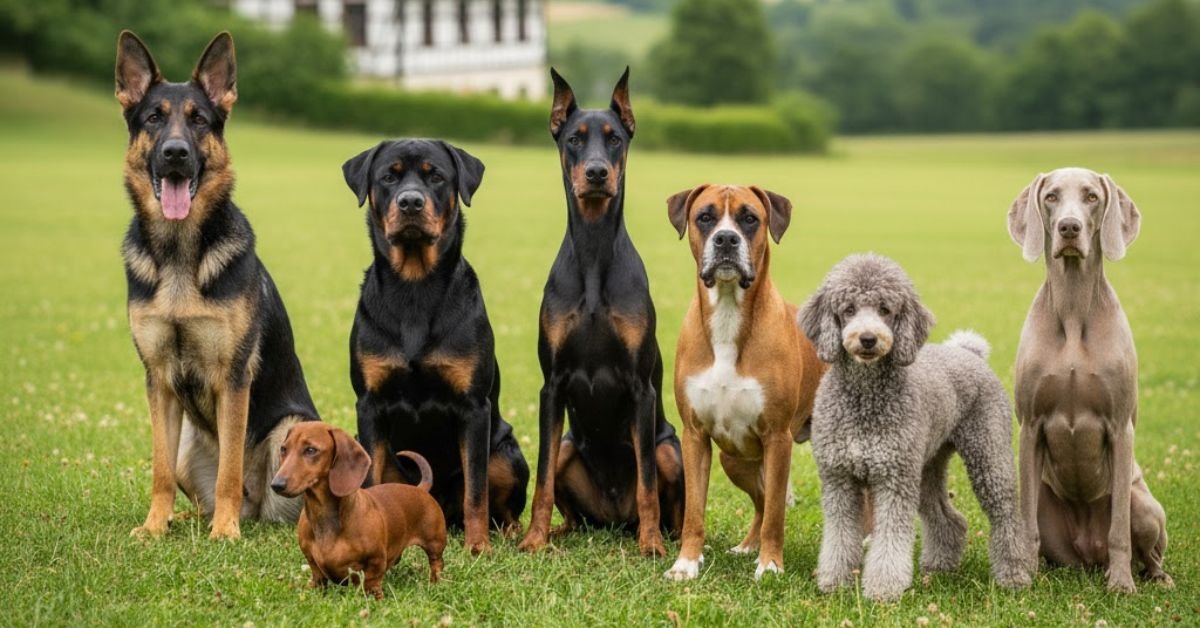
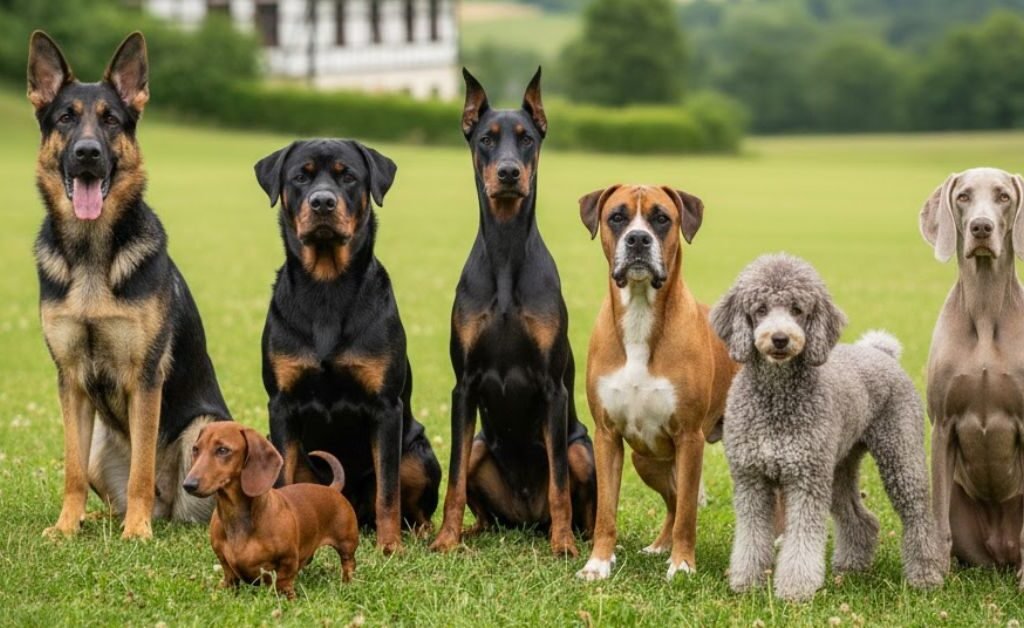
Germany is home to a remarkable diversity of dog breeds, ranging from tiny companions to powerful working dogs. While the German Shepherd may be the most famous, Germany has produced over 30 recognized breeds that are cherished worldwide. Understanding the history, personality, and care requirements of these breeds helps prospective dog owners make informed choices.
Here’s a detailed guide to the top 10 most popular Breeds of Dogs from Germany.
1. Pomeranian
The Pomeranian is a toy-sized dog originally from Pomerania, a historical region that straddles Germany and Poland.
- Origin & History: Pomeranians descend from the larger Wolf Spitz, used historically for herding and guarding livestock. Over time, breeders selected for smaller, companionable dogs.
- Personality: They are lively, curious, and bold despite their small size.
- Care Needs: Regular grooming is essential due to their thick, fluffy coat. Pomeranians are intelligent and respond well to training.
- Fun Fact: Queen Victoria popularized the breed in England after importing small Pomeranians from Germany.
For more toy-sized dog breeds, check our guide on Mini Bernedoodle and Mini Aussiedoodle.
2. Boxer
Boxers are medium-to-large dogs known for their muscular build and playful temperament.
- Origin & History: Boxers descended from the now-extinct Brabant Bullenbeisser. They were used as messenger dogs in wars and later as police and military dogs.
- Personality: Boxers are intelligent, loyal, and protective, making them excellent family pets. They have boundless energy and love to play.
- Care Needs: They require daily exercise and mental stimulation to prevent boredom and destructive behavior.
- Interesting Fact: Boxers have a distinctive square jaw and underbite, giving them their characteristic expression.
3. German Shepherd
Arguably the most recognized Breeds of Dogs from Germany, the German Shepherd is renowned for intelligence and versatility.
- Origin & History: Developed in the 1890s by Cavalry Captain Max von Stephanitz from various German herding dogs.
- Personality: Loyal, intelligent, adaptable, and protective.
- Care Needs: Requires daily exercise, mental stimulation, and proper socialization. Ideal for working roles like police, search-and-rescue, or service dogs.
- Fun Fact: German Shepherds have consistently ranked among the most popular dog breeds worldwide.
Learn more about active dogs in High Fiber Dog Food for healthy energy management.
4. Rottweiler
The Rottweiler is a strong, muscular breed originally used as guard dogs and cattle drovers.
- Origin & History: Named after the German town Rottweil, the breed dates back to Roman times.
- Personality: Protective, confident, and intelligent. With proper training, they are gentle and loyal family companions.
- Care Needs: Needs early socialization, firm training, and regular exercise. Rottweilers also benefit from mental challenges to stay engaged.
5. Schnauzer (Miniature, Standard, Giant)
Schnauzers are recognizable for their beard and eyebrows.
- Origin & History: Developed in 19th-century Germany for guarding, hunting vermin, and pulling carriages.
- Personality: Energetic, intelligent, and strong-willed. Miniature Schnauzers make excellent pets, while Standard and Giant Schnauzers are capable working dogs.
- Care Needs: Regular grooming is required to maintain their wiry coat. Exercise and mental stimulation are crucial.
6. Miniature Pinscher
Often confused with a tiny Doberman, the Miniature Pinscher (Zwergpinscher) is spirited and confident.
- Origin & History: Older than the Doberman breed, originally bred as a ratting dog in Germany.
- Personality: Affectionate with family, wary of strangers, and energetic.
- Care Needs: Requires consistent training and socialization. Daily exercise helps burn off energy.
7. Dachshund
The iconic Dachshund, also called Teckel, is known for its long body and playful personality.
- Origin & History: Developed for underground hunting of badgers, standardized in Germany in 1888.
- Personality: Curious, clever, and often stubborn. They are excellent family companions and watchdogs.
- Care Needs: Despite small size, they need exercise and caution with stairs due to their long spine.
See more small dog care tips in Small Dog Muzzle guide for safety precautions.
8. Great Dane
The Great Dane is a gentle giant with an imposing presence.
- Origin & History: Descended from Bullenbeisser dogs for boar hunting.
- Personality: Friendly, patient, and protective. Despite size, they are affectionate and playful with families.
- Care Needs: Daily exercise and large living space are necessary. Health monitoring is essential for heart and joint issues.
9. Doberman
The Doberman is elegant, muscular, and courageous.
- Origin & History: Developed by Friedrich Louis Doberman in the late 19th century for protection and personal security.
- Personality: Intelligent, loyal, and alert. Excellent guard dogs with proper training.
- Care Needs: Requires mental stimulation, obedience training, and regular exercise.
10. Weimaraner
The Weimaraner is a sleek, energetic hunting breed with a striking silver coat.
- Origin & History: Bred by the Grand Duke of Saxony-Weimar-Eisenach for big-game hunting.
- Personality: Intelligent, loyal, curious, and energetic. Excellent companions for active families.
- Care Needs: Needs vigorous exercise, socialization, and mental challenges to prevent boredom.
FAQs About Breeds of Dogs from Germany
Conclusion
Breeds of Dogs from Germany offer an extraordinary range of sizes, personalities, and abilities. From the tiny Pomeranian to the imposing Great Dane, each breed brings unique companionship, energy, and intelligence. Whether you want a small lap dog, a playful family member, or a working dog for security and service, German breeds have something to offer.
For more dog breed insights and care guides, explore:
Disclaimer
This article is for informational purposes only. Always consult a veterinarian or certified dog trainer for advice on selecting, training, and caring for dogs. The website and author are not responsible for injuries, health issues, or behavior problems resulting from improper care or misinterpretation of breed traits.