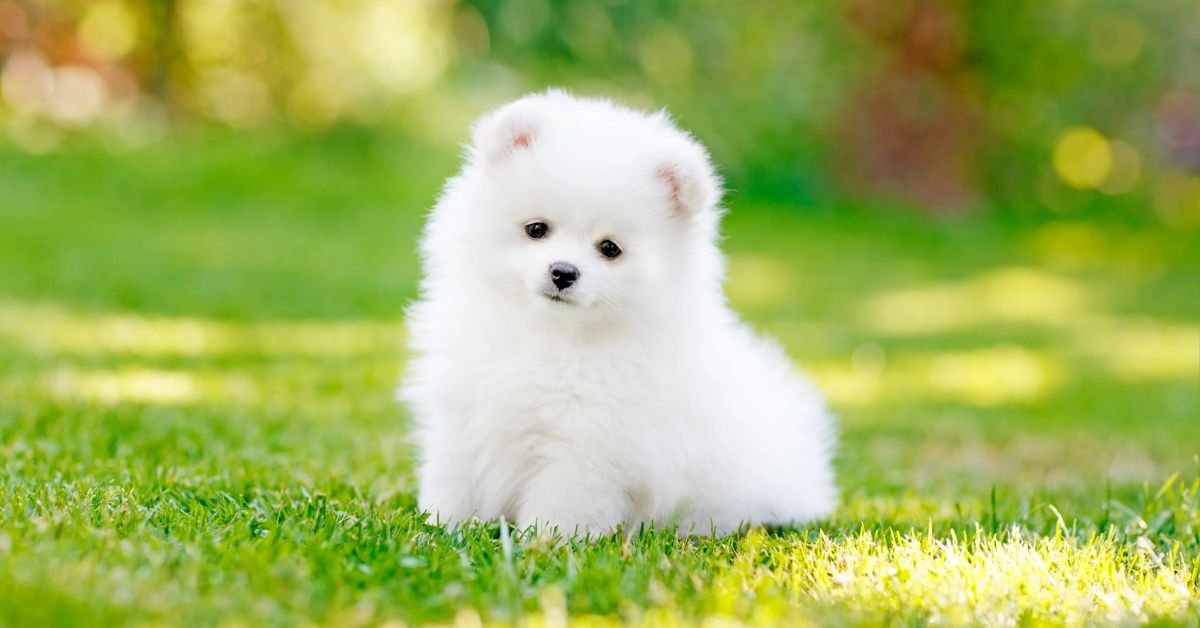
The term “Miniature Pomeranian” is often used by breeders and sellers to describe undersized or teacup Pomeranians. However, according to the American Kennel Club (AKC), there is no officially recognized miniature variety of the Pomeranian breed.
A standard Pomeranian is already a toy breed, typically weighing 3 to 7 pounds and standing 6 to 7 inches tall. Any dog significantly smaller than this is not an officially recognized size variation and may come from breeding practices that prioritize appearance over health.
Understanding the “Miniature” or “Teacup” Pomeranian
❌ The Myth of the Miniature Pomeranian
Breeders may label extremely small Pomeranians as “mini,” “micro,” or “teacup” to make them seem rare or desirable. In reality, these dogs are often bred from the runts of litters or through selective downsizing, which can lead to fragile health and shorter lifespans.
A healthy Pomeranian that meets the AKC breed standard already has a compact, lightweight body ideal for apartment living and companionship—no miniature version is necessary.
Standard Pomeranian Overview
| Trait | Description |
|---|---|
| Temperament | Intelligent, lively, and curious with a big personality. They are affectionate and loyal but can be stubborn. With proper training and socialization, they make wonderful companions. |
| Appearance | Recognized for their fluffy double coat, fox-like face, and plumed tail curling over the back. Coat colors include orange, cream, red, sable, and black. |
| Exercise Needs | Moderate energy level. Daily short walks or indoor playtime suffice. Avoid excessive activity during hot weather due to their dense coats. |
| Grooming | Requires brushing two to three times weekly to prevent matting. Regular dental care and nail trimming are vital. |
| Health Risks | Common issues include patellar luxation, tracheal collapse, and dental disease. “Mini” or “teacup” versions are especially prone to hypoglycemia and bone fragility. |
Health Concerns in Miniature or Teacup Pomeranians
Dogs bred to be smaller than standard face several serious health problems:
- Hypoglycemia (Low Blood Sugar): Dangerous in undersized dogs and may cause weakness or seizures.
- Bone Fragility: Tiny frames increase the risk of fractures and joint issues.
- Heart and Respiratory Issues: Miniature dogs may develop breathing or circulation problems.
- Dental Disease: Overcrowded teeth in small jaws can lead to infections and tooth loss.
These dogs often require special diets, frequent vet visits, and careful handling. If you’re looking for a small companion, a standard-sized Pomeranian is both adorable and much healthier.
How to Get a Pomeranian
🏡 Adoption
Adopting is a compassionate and affordable option. Many shelters and rescue centers have Pomeranians and mixes available. Adoption fees usually range from $100–$500, including spaying/neutering and vaccinations.
Some small or “mini” Pomeranians are surrendered due to health challenges, so be prepared for possible medical care costs.
Check out Dog Adoption Tips for guidance on adopting your perfect furry friend.
🐶 Buying from a Reputable Breeder
If purchasing from a breeder, ensure they:
- Focus on health and temperament, not size.
- Follow the AKC breed standard (3–7 pounds).
- Conduct health testing on parent dogs.
- Provide clear medical and lineage records.
Avoid breeders who advertise “teacup” or “miniature Pomeranians”, as these are marketing gimmicks.
Price Range: $1,500–$5,500 for pet-quality puppies, with show-quality dogs costing more.
For insights on ethical breeding, visit Responsible Dog Breeding Practices.
Care Tips for a Healthy Pomeranian
- Diet: Feed high-quality food formulated for small breeds. Avoid overfeeding to prevent obesity.
- Exercise: Two short walks daily plus playtime indoors or in a safe yard.
- Training: Pomeranians are intelligent but can be stubborn—positive reinforcement works best.
- Socialization: Early exposure to people, pets, and environments helps prevent barking or anxiety.
- Grooming Routine: Brush regularly, check for matting, and schedule grooming sessions to keep the coat in top condition.
Learn more about proper grooming and maintenance in our Dog Grooming Guide.
Comparison: Standard vs. Miniature Pomeranian
| Aspect | Standard Pomeranian | Miniature/Teacup Pomeranian |
|---|---|---|
| AKC Recognition | Yes | No |
| Average Weight | 3–7 lbs | Under 3 lbs |
| Health | Generally robust | Prone to fragile bones and hypoglycemia |
| Lifespan | 12–16 years | Often shorter |
| Breeding Ethics | Standard breeding practices | Often questionable breeding methods |
FAQs About Miniature Pomeranians
Conclusion
While miniature Pomeranians might seem irresistibly cute, they are not a separate or officially recognized breed. Choosing dogs bred for extreme smallness can lead to significant ethical and health concerns. A standard Pomeranian provides the perfect blend of beauty, intelligence, and liveliness in a safe, healthy size.
Whether you choose to adopt or buy, always prioritize reputable sources that care about the well-being of their dogs.
For more toy dog insights, check out:
Disclaimer
This article is intended for educational and informational purposes only. Always consult a licensed veterinarian before adopting or purchasing any pet. MyPetVista is not responsible for breeder practices, health complications, or purchasing decisions based on this information.