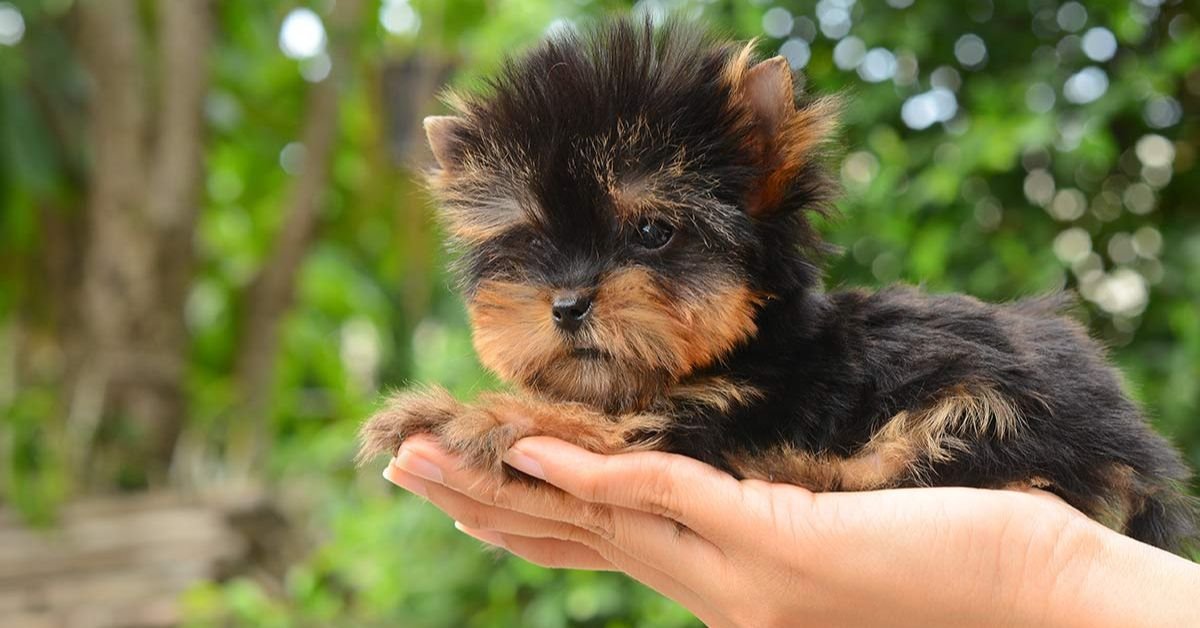
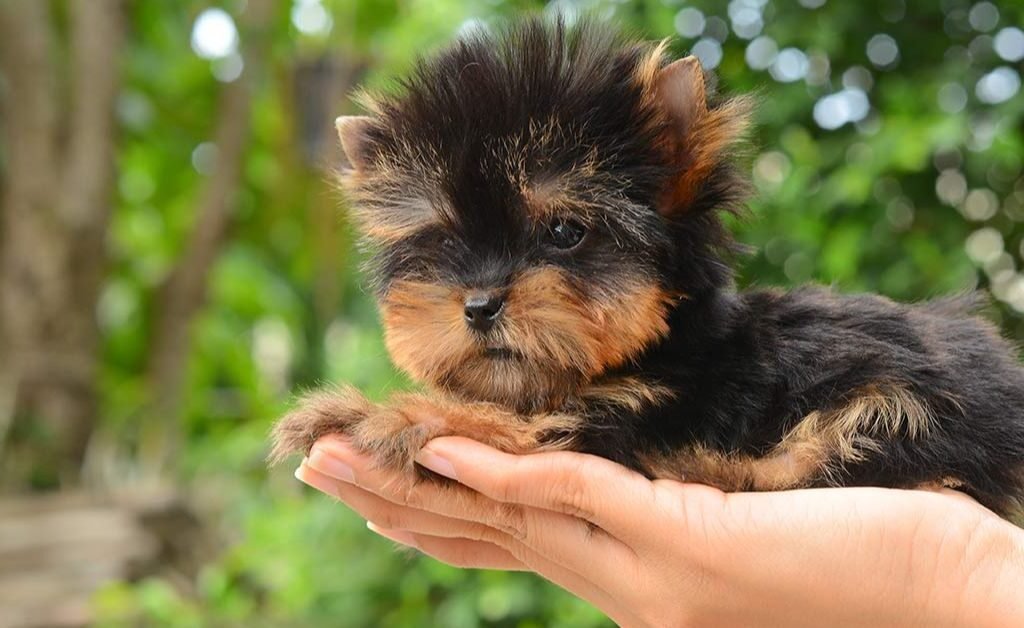
The Teacup Yorkie—also known as the Toy Yorkie or Micro Yorkie—is one of the smallest and most adorable dogs in the world. With their teddy bear-like faces, silky coats, and lively personalities, they’ve become a favorite among pet lovers.
However, while they’re undeniably cute, Teacup Yorkies also come with unique care needs, higher health risks, and ethical breeding concerns. This guide explains everything you should know before bringing one home.
What Is a Teacup Yorkie?
A Teacup Yorkie is not a separate dog breed but a miniaturized version of the standard Yorkshire Terrier. Breeders selectively breed smaller Yorkies over generations to achieve this tiny size.
| Trait | Standard Yorkie | Teacup Yorkie |
|---|---|---|
| Weight | 4–7 pounds | 2–4 pounds |
| Height | 8–9 inches | 5–7 inches |
| AKC Recognition | Yes | No |
| Lifespan | 12–16 years | 7–12 years (average) |
| Bone Structure | Stronger | Fragile, delicate |
Despite their tiny stature, Teacup Yorkies look just like their standard counterparts—with bright brown eyes, silky coats, and the iconic blue and gold or black and gold coloring. Most puppies are born black and gradually lighten as they grow.
Personality and Temperament
Don’t be fooled by their miniature size—Teacup Yorkies have big personalities packed into their tiny frames. They are:
- Brave and confident: Always ready to explore, even around bigger dogs.
- Affectionate: They form strong bonds with their owners and are often described as “velcro dogs.”
- Energetic: They love playtime and cuddles but tire easily.
- Stubborn: Like most terriers, they can be headstrong, requiring patient, positive training.
🧠 Temperament Summary
| Trait | Description |
|---|---|
| Loyalty | Extremely loyal; follows owners everywhere. |
| Sociability | Enjoys attention; may be shy with strangers. |
| Trainability | Moderate; benefits from consistent, gentle training. |
| Energy Level | High, but short bursts of activity suit them best. |
| Compatibility | Best with adults or seniors; not ideal for young children. |
Care and Maintenance
🪞 Grooming
Teacup Yorkies have long, silky coats that require daily brushing to prevent tangles and matting. Regular baths, trimming around the face and paws, and professional grooming every 4–6 weeks are recommended.
For grooming guidance, check out Dog Grooming Guide.
🏋️♀️ Exercise
Despite their small size, Teacup Yorkies are energetic and need light daily activity. Two short walks and indoor play sessions are enough to keep them happy and fit. Avoid overexertion, especially in hot or cold weather.
🍗 Diet and Nutrition
Feed high-quality dry food formulated for toy breeds. Because of their small size, they are prone to low blood sugar (hypoglycemia), so it’s best to feed them 3–4 small meals per day.
Avoid feeding human snacks or fatty foods—Teacup Yorkies have sensitive digestive systems.
💕 Health Concerns
Breeding for extremely small size often comes with serious health complications. Common health problems include:
| Condition | Description |
|---|---|
| Hypoglycemia | Low blood sugar; can cause tremors or collapse. |
| Fragile Bones | Thin bones make them prone to fractures. |
| Heart Defects | Congenital heart issues due to poor breeding. |
| Respiratory Problems | Small airways cause breathing difficulties. |
| Dental Issues | Overcrowded teeth can lead to gum disease. |
| Digestive Sensitivity | Prone to upset stomachs or vomiting. |
For more information on safe and ethical pet breeding, read Responsible Dog Breeding Practices.
Cost and Breeding Ethics
Teacup Yorkies are often marketed as designer dogs, with prices typically ranging from $1,000 to $3,000, though some can exceed $5,000.
However, prospective owners should be cautious—many breeders who advertise “extra small” Yorkies engage in unethical breeding. True reputable breeders do not intentionally breed dogs below the healthy AKC standard.
When buying a Teacup Yorkie:
- Ask for health certificates and vet records.
- Visit the breeder’s facility.
- Avoid breeders who won’t let you meet the puppy’s parents.
Alternatively, consider adopting a Yorkie from a rescue organization. Adoption costs are much lower—typically between $100 and $500—and you’ll be giving a loving home to a dog in need.
Explore adoption resources at Dog Adoption Tips.
Pros and Cons of Owning a Teacup Yorkie
| Pros | Cons |
|---|---|
| Adorable and affectionate companion | Fragile and injury-prone |
| Suitable for apartment living | Not ideal for families with small children |
| Low shedding coat | High grooming needs |
| Loyal and protective | Prone to hypoglycemia and heart issues |
| Portable and travel-friendly | Expensive to purchase and maintain |
Is a Teacup Yorkie Right for You?
A Teacup Yorkie requires dedication, care, and constant supervision. They are not recommended for homes with young kids or large pets due to their fragile nature.
You might be a great fit if you:
✅ Work from home or spend most of your day indoors.
✅ Can afford regular vet visits and high-quality food.
✅ Enjoy grooming and pampering your pet.
✅ Want a loyal, loving lapdog.
FAQs About Teacup Yorkies
Conclusion
The Teacup Yorkie is a pint-sized version of the beloved Yorkshire Terrier, known for its beauty, energy, and loyalty. While they make delightful companions, owning one comes with serious responsibilities. Their small size makes them fragile, and breeding for tiny stature often brings health risks.
If you decide to get a Teacup Yorkie, choose an ethical breeder or consider adoption. With proper care, love, and attention, this tiny dog can bring immense joy and companionship to your life.
For more small dog guides, check out:
Disclaimer
This article is for educational and informational purposes only. Always consult a licensed veterinarian before purchasing or adopting a pet. MyPetVista is not responsible for breeder practices, health outcomes, or purchasing decisions based on this content.