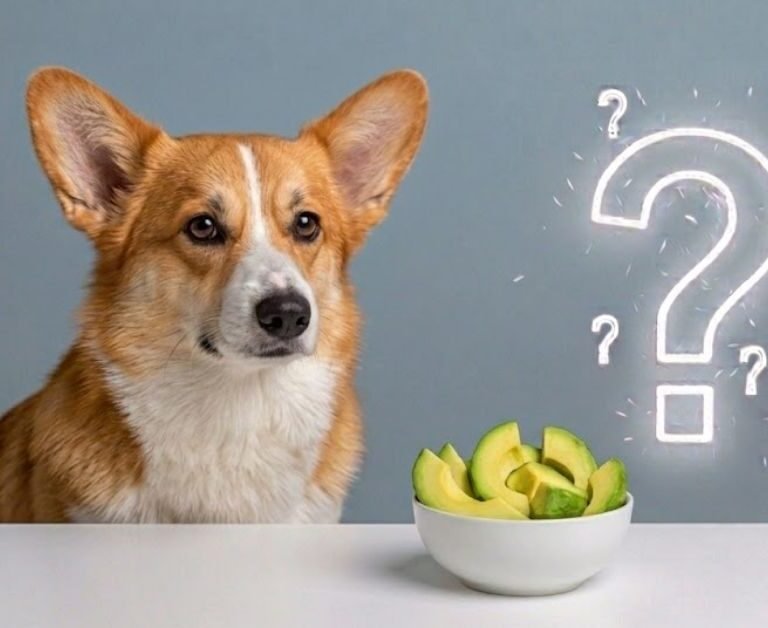

If you’re sitting around a campfire with your furry buddy giving you those adorable puppy eyes 😍, you’ve probably wondered — “Can dogs eat marshmallows?”
While it’s tempting to share your treat, the truth is — marshmallows are not safe for dogs. Let’s find out why, what you should do if your pup accidentally eats one, and which alternatives are healthier and tastier.
🍭 So, Can Dogs Eat Marshmallows?
The short answer is ❌ No, dogs should not eat marshmallows.
Most marshmallows contain sugar, corn syrup, gelatin, and even artificial sweeteners like xylitol — which can be extremely dangerous for your dog’s health.
Even though one small piece might not seem harmful, the long-term risks outweigh the tiny moment of joy. 🧁
⚠️ Why Marshmallows Are Bad for Dogs
Here’s why you should avoid giving marshmallows to your pup 👇
🍬 1. Too Much Sugar
Marshmallows are basically fluffy sugar clouds. Excess sugar can cause:
- Obesity and weight gain 🐾
- Tooth decay 🦷
- Increased diabetes risk
Dogs don’t process sugar the same way humans do, and even small doses can cause problems over time.
💀 2. Xylitol Toxicity
Sugar-free marshmallows often contain xylitol, a sweetener that’s lethal for dogs.
Even a tiny bit can cause:
- Rapid insulin release
- Severe drop in blood sugar
- Seizures
- Liver failure 💔
If your dog ever eats something with xylitol, rush to your vet immediately.
🤢 3. Digestive Upset
Even xylitol-free marshmallows can upset your dog’s tummy. They might experience:
- Vomiting
- Diarrhea
- Bloating or gas
You might have noticed similar effects if your dog accidentally ate other unsafe human foods, like ham or sweets.
⚡ 4. Choking Hazard
Because marshmallows are soft and sticky, they can get stuck in your dog’s throat, especially small breeds.
🩺 What To Do If Your Dog Eats Marshmallows
Accidents happen — and if your dog just ate one, here’s what you need to do:
- Check the ingredients — look for xylitol.
- If it’s present, contact your vet right away.
- If it’s not, monitor your dog for signs like vomiting or fatigue.
- Don’t induce vomiting unless your vet advises it.
If your dog ate a handful of marshmallows, treat it like an emergency. Always better safe than sorry! 🚨
🍯 Safer Treat Alternatives for Dogs
Instead of feeding sugary treats, you can offer dog-friendly snacks that are both tasty and healthy.
| Safe Treat | Benefits |
|---|---|
| 🥕 Carrot sticks | Great for dental health |
| 🍎 Apple slices (seedless) | Packed with fiber and vitamin C |
| 🍌 Banana pieces | Natural sweetness & energy |
| 🎃 Pumpkin puree | Supports digestion |
| 🥜 Peanut butter (no xylitol) | High in protein |
If you’re exploring more natural and safe foods, you might also wonder “Can dogs eat corn?” — and the answer is explained in detail in our guide on Can Dogs Eat Corn? 🌽.
🧠 Why Dogs Love Marshmallows (Even Though They Shouldn’t)
Dogs love anything sweet-smelling and chewy. The sugary vanilla aroma of marshmallows is irresistible to them. But just because they love it doesn’t mean it’s good for them.
Your dog’s diet should focus on nutrient-dense, balanced meals — not empty-calorie snacks. A much better alternative would be to share a small piece of cauliflower or even a cooked sweet potato treat instead. 🥦🍠
🐾 Homemade Dog Treat Ideas
Want to give your pup something special without risking their health? Try these ideas:
- Bake small dog biscuits using oat flour and banana.
- Mix plain Greek yogurt with frozen berries for a cool treat.
- Steam veggies like carrots or broccoli for a crunchy snack.
These are delicious and safe — unlike marshmallows that can lead to health troubles down the road.
🩹 What To Do If Your Dog Ate a Lot of Marshmallows
If your pup gobbled up multiple marshmallows, follow this quick checklist:
✅ Look for xylitol on the label.
✅ Call your vet immediately if it’s listed.
✅ Keep your dog hydrated — offer clean water.
✅ Watch for vomiting, weakness, or trembling.
✅ Never delay professional advice.
🐕 Expert Opinion: What Veterinarians Say
According to the American Kennel Club (AKC), marshmallows offer zero nutritional value to dogs and can easily upset their stomachs or cause toxicity due to xylitol.
Even plain marshmallows packed with sugar can lead to obesity and metabolic problems over time. It’s always better to reward your dog with a healthier, dog-safe treat.
💡 Key Takeaways
✅ Marshmallows are not safe for dogs.
✅ Avoid all forms — especially sugar-free ones containing xylitol.
✅ Too much sugar leads to obesity, dental issues, and diabetes.
✅ Always check ingredient labels before sharing food.
✅ Offer fruits, veggies, or dog treats as safe alternatives.
❓FAQs About “Can Dogs Eat Marshmallows?”
🐾 Final Thoughts
While marshmallows might be fun human snacks, they are not safe or healthy for dogs. They contain sugar, chemicals, and sometimes xylitol — all of which can harm your pet.
So next time your pup looks at you during dessert time, reach for a carrot stick or banana slice instead. They’ll love it just as much, and you’ll keep them safe. 💚🐕
For more guides on what foods are safe for dogs, visit MyPetVista — your trusted source for reliable pet nutrition and care advice. 🐾✨