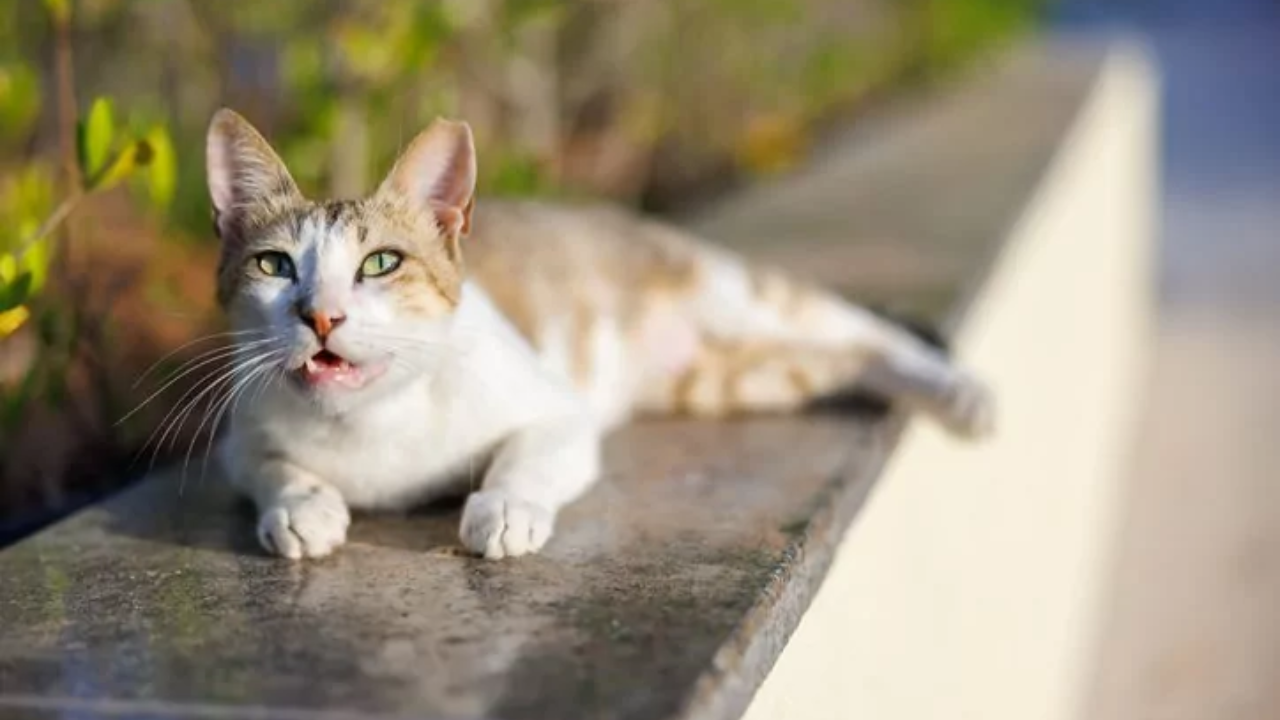
Cats are generally quiet and mysterious creatures, so when your cat starts coughing, it’s natural to get concerned. While the occasional cough may not be alarming, persistent or frequent coughing in cats could be a sign of an underlying health issue. If you’re wondering, “Why is my cat coughing?” – you’re not alone.
In this guide, we’ll explore the possible reasons behind cat coughing, when it becomes a concern, and what steps you should take as a responsible pet owner.
🔍 Is It Really a Cough?
Before diving into the causes, it’s important to understand what cat coughing sounds like. Many cat parents confuse coughing with vomiting, gagging, or retching.
- Coughing: A sharp, forceful exhale through the mouth.
- Gagging: More throat-related, often with neck extension.
- Hairball retching: Accompanied by stomach movements, often ends with expulsion.
✅ If you’re not sure, try to record a video of the behavior to show your vet.
🐾 Common Reasons Why Your Cat Is Coughing
Let’s look at the most common causes of feline coughing:
1. Hairballs
Cats groom themselves frequently, and the swallowed fur usually passes through the digestive system. But sometimes, it builds up and forms a hairball.
Symptoms:
- Occasional dry cough
- Retching or hacking
- Expelling fur tubes
📌 Learn more about this in our related blog:
👉 Bad Breath in Cats
2. Asthma in Cats
Feline asthma is a chronic respiratory condition affecting many indoor cats. It’s triggered by allergens like dust, pollen, smoke, or even scented sprays.
Symptoms:
- Persistent dry or wet coughing
- Wheezing
- Difficulty breathing or open-mouth breathing
- Lethargy
🩺 If asthma is suspected, your vet may recommend X-rays and prescribe bronchodilators or steroids.
3. Upper Respiratory Infections (URI)
Similar to the human cold, viral or bacterial infections can cause coughing.
Common culprits:
- Feline herpesvirus
- Calicivirus
- Bordetella
Symptoms:
- Sneezing and coughing
- Nasal discharge
- Loss of appetite
- Fever
URIs are contagious, especially in multi-cat households or shelters. Always isolate new or sick cats.
4. Allergies
Cats can be allergic to a variety of things:
- Pollen
- Cigarette smoke
- Mold
- Dust mites
- Cleaning sprays
Symptoms:
- Coughing
- Itchy skin or licking
- Runny eyes/nose
✨ Just like we explored in our blog Best Dog Food for Allergies, similar dietary/environmental sensitivities can affect cats too.
5. Heartworms
Although more common in dogs, heartworm disease can affect cats. Mosquitoes transmit the larvae, which can migrate to the lungs and heart.
Symptoms:
- Intermittent coughing
- Vomiting (without hairballs)
- Labored breathing
- Sudden collapse or death
Heartworm in cats is difficult to treat, so prevention (monthly medication) is key.
6. Lung Parasites
Parasites like lungworms or roundworms** can infect cats, especially those who go outdoors or hunt rodents.
Symptoms:
- Chronic coughing
- Weight loss
- Weakness
Diagnosis is done via fecal tests and X-rays.
7. Foreign Objects
Curious cats may inhale grass, dust, or small objects while exploring. These can become lodged in the airways.
Signs include:
- Sudden coughing
- Pawing at mouth
- Difficulty breathing
This is a medical emergency – visit the vet immediately.
8. Cancer or Tumors
Rare, but cancer in the lungs or throat can also lead to coughing in older cats.
Symptoms:
- Chronic, unproductive cough
- Weight loss
- Lack of appetite
- Lethargy
Your vet may suggest imaging (X-rays, CT scans) and biopsies for diagnosis.
🕒 When Should You Be Worried?
Not every cough is serious, but here are red flags to watch out for:
| Symptom | Action |
|---|---|
| Persistent coughing (more than 2-3 days) | Vet visit recommended |
| Coughing with wheezing | Check for asthma/allergies |
| Coughing with vomiting | Check for parasites/hairballs |
| Blue or pale gums | Emergency! Oxygen issue |
| Lethargy or appetite loss | Urgent vet consultation |
🩺 Diagnosis & Treatment
Your vet will likely perform:
- Physical examination
- Chest X-rays
- Blood tests
- Fecal tests (for parasites)
- Allergy testing (if needed)
Treatment depends on the diagnosis – from medications and nebulization to special diets and environmental adjustments.
🧼 How to Prevent Cat Coughing
While not every cough is preventable, you can reduce the risks:
- Keep your home allergen-free: Use air purifiers, avoid scented sprays.
- Groom regularly: Helps reduce hairballs.
- Use vet-approved parasite preventives.
- Avoid smoking indoors: Smoke can worsen asthma or allergies.
- Routine checkups: Annual vet visits help detect early issues.
🚫 Avoid giving almond milk or other non-prescribed human foods. If you’re unsure, check out this related blog:
👉 Can Cats Drink Almond Milk?
🙋♂️ Frequently Asked Questions (FAQs)
🐱 Final Thoughts
If you’re asking, “Why is my cat coughing?” – know that you’re taking the right first step by being alert. Coughing can be mild or serious depending on the cause. Timely vet consultation, proper observation, and environmental care go a long way in keeping your feline friend healthy.
Have more questions? Don’t hesitate to reach out in the comments or share this post with fellow cat parents.