Finding blood in your cat’s stool can be alarming for any pet parent. While sometimes it may be caused by minor issues like diet changes, it can also signal serious health problems that require urgent veterinary care.
In this guide, we’ll explain why blood might appear in your cat’s poop, when to worry, and what steps to take.
🔴 Types of Blood You May See in Cat Stool
Not all blood looks the same, and the color & texture give important clues about where the bleeding is happening.
- Bright Red Blood (Hematochezia)
- Fresh blood, usually from the colon, rectum, or anus
- May appear as streaks on the stool or drops in the litter box
- Dark, Tarry Stool (Melena)
- Black and sticky stool, caused by digested blood
- Indicates bleeding in the stomach or small intestine
👉 Both require a vet’s attention, but melena is more serious, as it points to internal bleeding.
🐾 Why Is There Blood in My Cat’s Stool?
Here are the most common reasons:
1. 🍖 Dietary Upset or Food Intolerance
Cats have sensitive stomachs. Eating spoiled food, sudden diet changes, or table scraps can cause irritation. Choosing a balanced, premium diet helps prevent this. You can explore healthy options like Best Dry Food for Cats in 2025.
2. 🪱 Intestinal Parasites
Roundworms, hookworms, and tapeworms are common in cats, especially outdoor cats and kittens. They can cause diarrhea, weight loss, and bloody stool. Regular deworming is essential.
3. 🌾 Food Allergies or Sensitivities
Just like dogs need special diets for allergies (Best Dog Food for Allergies), cats can also suffer from protein or grain sensitivities that lead to inflammation and blood in stool.
4. 🔥 Inflammatory Bowel Disease (IBD)
IBD causes long-term irritation in the intestines. Symptoms include vomiting, weight loss, diarrhea, and bloody stools. Cats with IBD often need lifelong management with special diets and medication.
5. 🚽 Constipation or Straining
If your cat struggles to pass stool, tiny anal tears can cause streaks of blood. Constipation is common in cats who don’t drink enough water.
6. 🦠 Bacterial & Viral Infections
Infections like salmonella or feline parvovirus can result in bloody diarrhea, dehydration, and lethargy. These require urgent veterinary care.
7. ⚠️ Serious Conditions (Polyps, Ulcers, Tumors)
Older cats may develop growths in their intestines or rectum, leading to blood in stool. These need immediate diagnosis and treatment.
🚨 When to Call the Vet
Blood in stool should never be ignored, especially if you notice:
- Large amounts of blood
- Black, tarry stools
- Repeated episodes over several days
- Vomiting, loss of appetite, or weight loss
- Pale gums (possible anemia)
👉 These are red flags that require urgent vet attention.
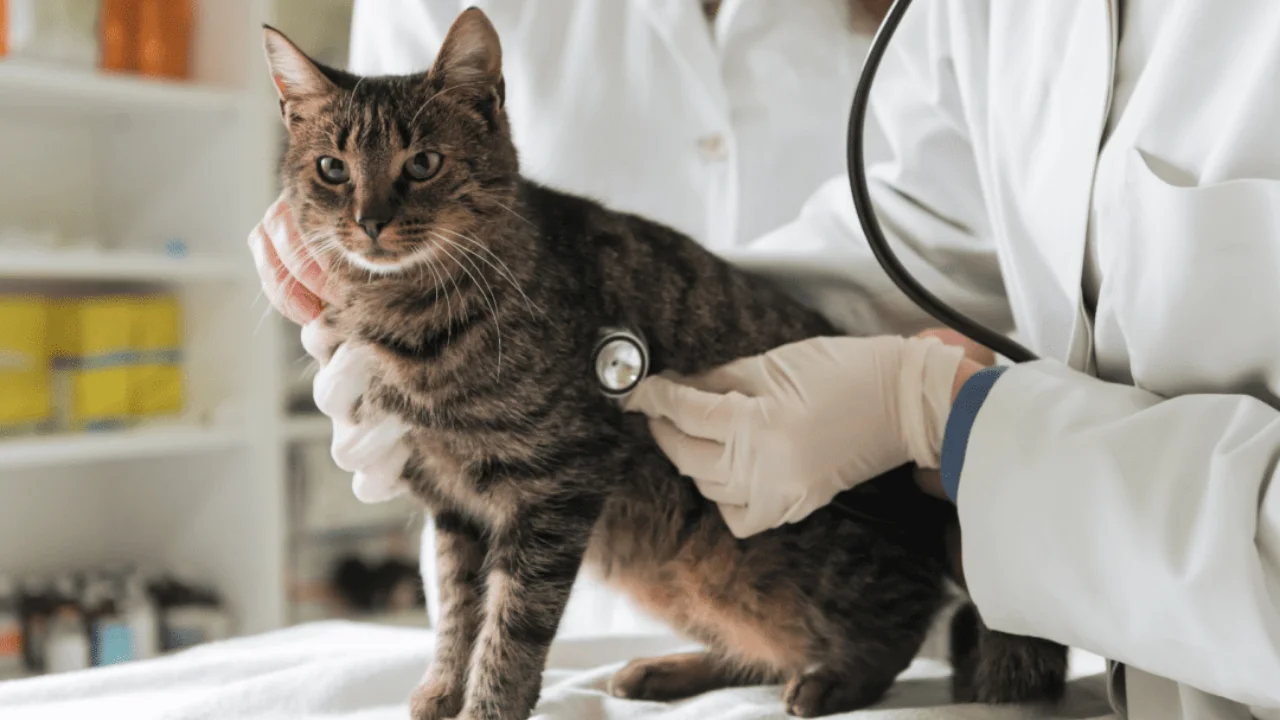
🩺 How Vets Diagnose the Cause
Your vet may perform:
- Fecal tests → To check for worms or parasites
- Blood tests → To check overall health and infection markers
- Ultrasound/X-rays → To look for blockages or tumors
- Endoscopy/Colonoscopy → For a closer look inside the digestive tract
💊 Treatment Options
Treatment depends on the cause:
- Parasites → Deworming medication
- Dietary issues → Switching to hypoallergenic food (just like we recommend for sensitive dogs)
- Constipation → Hydration, stool softeners, or fiber-rich diet
- IBD → Anti-inflammatory drugs + special diets
- Infections → Antibiotics or antivirals
- Tumors/Polyps → Surgery or long-term management
👉 Probiotics can also help improve digestion. Just as Probiotic Chews for Dogs support canine gut health, cats benefit from species-specific probiotics too.
🛡️ Preventing Blood in Cat Stool
Here are simple steps to protect your cat’s digestive health:
✔️ Feed a high-quality, consistent diet
✔️ Avoid sudden food changes
✔️ Ensure fresh water daily to prevent constipation
✔️ Schedule regular vet checkups & deworming
✔️ Reduce stress in your cat’s environment
For more in-depth medical info, check trusted resources like PetMD – Cat Health.
❓ FAQs About Blood in Cat Stool
🐾 Final Thoughts
Finding blood in your cat’s stool can be frightening, but don’t panic. Many causes are treatable, especially if caught early. The best thing you can do is monitor your cat’s litter box daily and consult a vet immediately if you notice blood, changes in stool, or other worrying symptoms.
At MyPetVista, we bring you trusted guides to help you care for your pets better. Stay informed, stay proactive, and give your feline friend the healthy, happy life they deserve 🐱❤️.