Have you ever seen a tiny bird so fluffy and white that it looks like a flying snowball? 🏔️ That’s the Japanese Snow Fairy, also known as Shima Enaga. Native to Japan’s northern island of Hokkaido, these adorable birds have become internet sensations thanks to their round bodies, pure white faces, and cheerful presence in the snow.
Let’s dive into the magical world of these “snow fairies” and discover why bird lovers all over the world are falling in love with them. 💙
🐦 What Are Japanese Snow Fairies?
Japanese Snow Fairies are actually a subspecies of the Long-tailed Tit (scientific name: Aegithalos caudatus). While long-tailed tits are found across Europe and Asia, the Hokkaido version—Shima Enaga—is special because of its completely white face and ultra-round appearance.
- 🌏 Found only in Hokkaido, Japan
- ❄️ Nicknamed “snow fairies” because of their fluffy, snowy look
- 🐤 Only 13–15 cm long, with most of that length being their tail
👉 If you love unique bird species, you’ll also enjoy reading about the American Colt Bird 🌿
🌟 Why Are They Called Snow Fairies?
Their nickname comes from their:
- ❄️ Snow-white plumage that blends into winter landscapes
- ✨ Fairy-like appearance with big black eyes on a tiny round head
- 🐦 Graceful flight through snow-covered forests
In Japanese culture, these birds symbolize purity, joy, and good luck, making them beloved by locals and birdwatchers alike.
🍂 Habitat and Lifestyle
Shima Enaga thrive in Hokkaido’s forests, where winters are long and snowy.
- 🌲 They prefer woodlands and shrubby areas
- 🥚 Nest in tree branches, often hidden among moss and lichens
- 🐛 Feed mainly on insects, larvae, and occasionally seeds
- 👨👩👧👦 Highly social—travel in flocks of 20 or more
👉 Curious about other small creatures? Check out the Angora Bunny Rabbits 🐇
📸 Why Are They So Popular on Social Media?
The Japanese Snow Fairy became famous because of its Instagram-worthy cuteness. Photographers love capturing them as they perch on snowy branches, looking like fluffy cotton balls with tails.
Their popularity has also boosted eco-tourism in Hokkaido, with bird lovers from all over the world traveling to catch a glimpse.
🌏 Conservation Status
The good news? These birds are not endangered. 🎉 Thanks to their adaptability and strong social groups, their population remains stable. Still, protecting their forest habitats in Hokkaido is essential for their long-term survival.
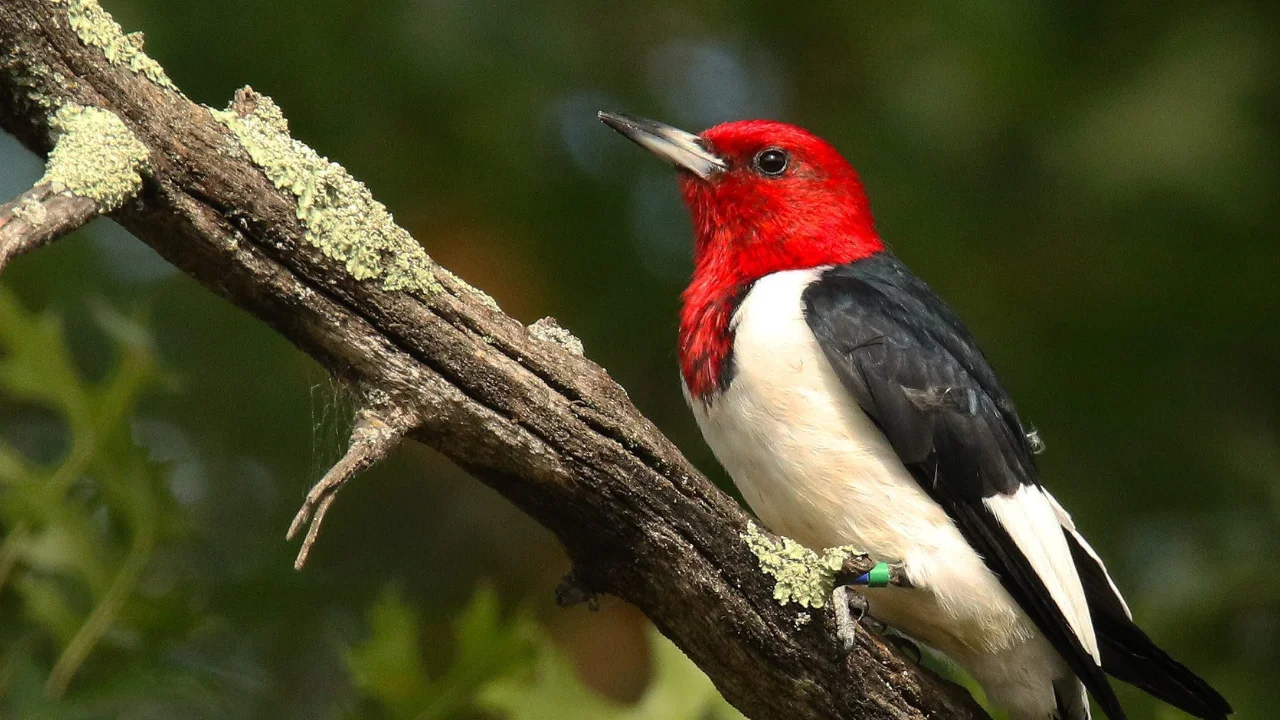
👉 Learn about another rare bird: the Red-headed Woodpecker 🪵
🧾 Quick Facts About Japanese Snow Fairies
| Feature | Details |
|---|---|
| Scientific Name | Aegithalos caudatus japonicus |
| Common Name | Shima Enaga / Japanese Snow Fairy |
| Size | 13–15 cm (tail included) |
| Lifespan | 2–3 years (wild) |
| Location | Hokkaido, Japan |
| Diet | Insects, larvae, small seeds |
🌐 External Reference
According to Wikipedia, the Shima Enaga is a subspecies of the Long-tailed Tit, distinguished by its all-white head compared to other regional variants.
🤔 Final Thoughts
Japanese Snow Fairies (Shima Enaga) are truly nature’s little treasures. From their cotton-ball-like bodies to their playful social habits, these birds are a reminder of the beauty and magic in the natural world. If you ever visit Hokkaido, don’t miss the chance to spot one of these enchanting creatures in the snowy forests. ❄️🐦✨
❓ FAQs About Japanese Snow Fairies
✅ For more fascinating animal stories and guides, visit MyPetVista 🌐🐾