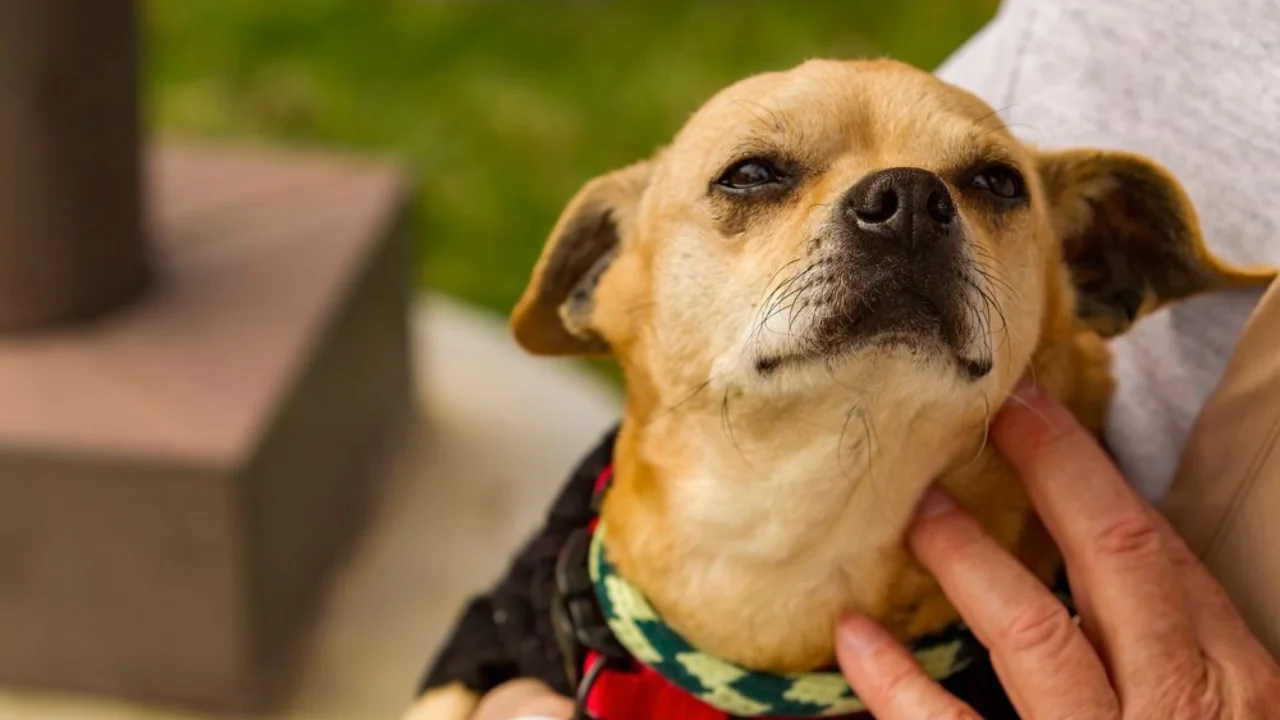
Have you ever noticed the whites of your dog’s eyes showing, especially when their head is turned but their gaze seems fixed on something? This behavior is commonly referred to as “Whale Eyes Dogs”, named for its resemblance to a whale’s wide, side-facing eyes. While it might look cute or funny at first, it is actually a stress signal that your dog may be feeling anxious, fearful, or uncomfortable.
Understanding this subtle body language is crucial for any dog parent. Ignoring it could escalate tension and potentially lead to aggression. In this guide, we’ll explain the causes, signs, and how to properly respond to whale eyes dogs.
What Whale Eye Means
Whale eye occurs when the white part of the dog’s eyes (the sclera) becomes visible while their head is turned, often indicating emotional stress. Here’s what it can tell you:
1. Stressed or Anxious Dogs
Dogs may show whale eye when they are feeling overwhelmed, uncertain, or worried. Situations that might trigger this include:
- Meeting new people or animals
- Loud or sudden noises
- Changes in the household routine
2. Fearful Dogs
When a dog is scared, the whites of their eyes may appear. Fear could stem from:
- Thunderstorms or fireworks
- Strangers or unfamiliar dogs
- Veterinary visits or grooming
3. Feeling Threatened
Whale eyes can be a warning that the dog feels cornered or endangered. They are often on high alert, and direct confrontation may escalate the situation.
4. Avoiding Confrontation
Dogs may show whale eye as a way to monitor a threat without direct eye contact. In the canine world, direct staring can be perceived as aggressive, so showing Whale Eyes Dogs is a subtle attempt to avoid conflict while remaining vigilant.
Other Signs to Watch For Whale Eyes Dogs
Whale eye is usually accompanied by other stress indicators. Observing these cues helps you understand how serious the dog’s discomfort is:
- Flattened ears
- Tucked tail
- Panting, yawning, or drooling
- Stiff or frozen body posture
- Lip licking or nose nudging
For more on understanding dog body language, you can read our guide on Why Do Dogs Lick Their Paws?
What to Do When You See Whale Eyes Dogs
1. Give Your Dog Space
Respect your dog’s signals. Step back and allow them room to calm down. Avoid forcing interactions, as this can heighten their stress.
2. Observe the Environment
Try to identify the stressor and reduce or remove it if possible. For example:
- Move away from noisy areas
- Separate from aggressive or unfamiliar animals
- Avoid forced training sessions until the dog relaxes
3. Create a Calm Environment
Dogs feel secure in predictable environments. Establish routines and safe spaces, such as cozy beds or quiet corners, to help your dog feel more comfortable.
4. Positive Reinforcement
Reward calm behavior with treats, petting, or gentle verbal praise. Avoid punishing or scolding, as this can worsen anxiety.
For safe treat ideas, check out Can Dogs Eat Sweet Potatoes? and Can Dogs Eat Blueberries?
Why Whale Eye Happens
Understanding the root cause of whale eyes can help prevent stressful situations in the future:
- Genetics & Personality: Some dogs are naturally more anxious or wary.
- Lack of Socialization: Puppies not exposed to new people, animals, or environments may develop fear responses.
- Past Trauma: Dogs rescued from abusive or neglectful environments may exhibit Whale Eyes Dogs more frequently.
- Health Issues: Pain, discomfort, or vision problems can make a dog uneasy, causing Whale Eyes Dogs.
For more on signs of discomfort, see Pale Gums in Dogs – Causes, Symptoms & Treatment
FAQs About Whale Eyes Dogs
Training Tips to Reduce Whale Eyes Dogs Behavior
- Socialize Your Dog Early: Introduce your dog to new experiences gradually and positively.
- Counter-Conditioning: Pair stressful stimuli with treats or praise to reduce fear.
- Obedience Training: Basic commands can help you redirect your dog’s focus during stressful situations.
- Safe Spaces: Provide a crate or quiet area where your dog can retreat and relax.
- Monitor Health: Rule out pain or discomfort by scheduling regular vet checkups.
Related: Dog Peeing Blood – Causes, Treatment & What Pet Parents Must Know
Conclusion
Whale eyes dogs are more than a quirky expression—they’re a communication tool. When you notice the whites of your dog’s eyes showing, it’s a signal to pause, observe, and respect your dog’s emotional state. By understanding the underlying causes and responding thoughtfully, you can reduce stress and strengthen your bond with your furry companion.
Disclaimer
This article is for informational purposes only. Whale eye is a behavioral signal that may indicate stress, fear, or discomfort. Always consult a veterinarian or a certified dog trainer for advice regarding your dog’s health, behavior, or training. The website and author are not responsible for injuries, health issues, or behavior problems resulting from misinterpretation of signals or improper handling.