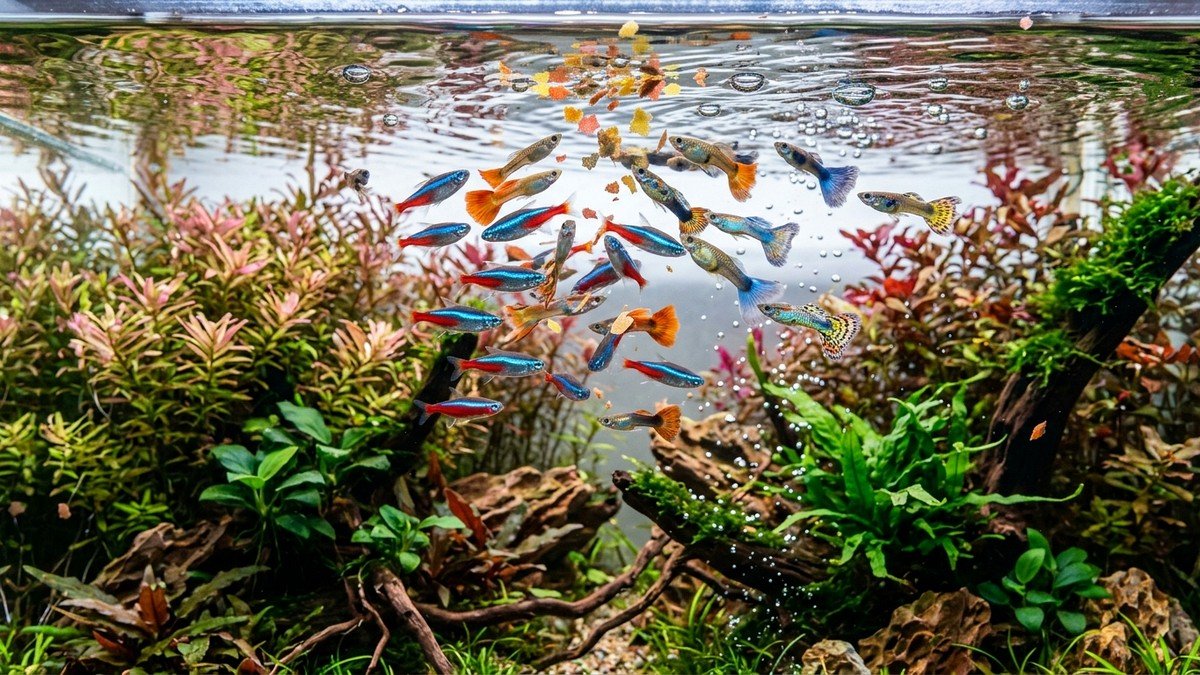
Every time you walk past your aquarium, your fish rush excitedly to the front glass, wiggling their bodies and begging frantically for food. To the caring pet owner, this behavior looks like genuine starvation. In reality, fish are opportunistic scavengers programmed by evolution to consume food whenever it appears, regardless of whether their stomachs are already full. Learning how often to feed aquarium fish is one of the most critical skills in successful aquatic husbandry.
Fundamental Golden Rule
Far more pet fish perish from overfeeding than from underfeeding. In an aquarium, uneaten food decays into hazardous organic pollutants, directly crashing water parameters and triggering lethal bacterial blooms.
1. Ideal Daily Feeding Schedules by Fish Type
Different species possess distinct metabolic rates, digestive anatomies, and dietary adaptations. Tailor your daily feeding frequency to your specific tank inhabitants:
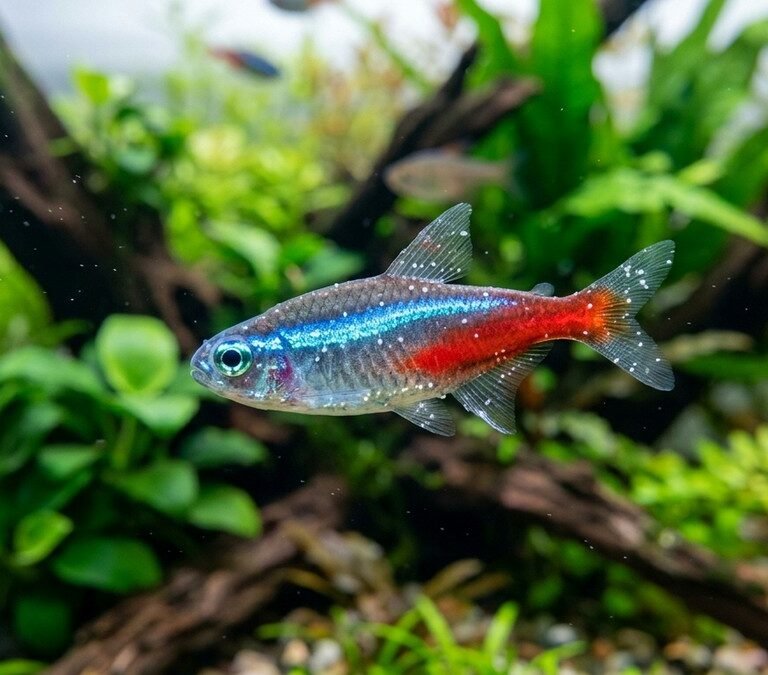
- Community Omnivores (Tetras, Guppies, Platies, Danios): Feed once or twice per day. Morning and late afternoon feedings spaced eight hours apart provide balanced nutrition.
- Herbivores and Continuous Grazers (Mollies, Otocinclus, Plecos): Feed small amounts twice daily alongside continuous access to natural biofilm, blanched zucchini, or sinking spirulina algae wafers.
- Carnivorous Predators (Cichlids, Angelfish, Bettas): Feed once per day or once every other day with high-protein sinking pellets, bloodworms, or mysis shrimp.
- Growing Fry and Juveniles: Feed tiny micro-portions three to five times daily to support rapid cellular division and skeletal development.
Feeding Requirements and Portion Matrix
Review this feeding matrix to select the ideal portions, food types, and frequency for common aquarium inhabitants:
| Fish Category | Recommended Frequency | Optimal Food Type | Portion Guidelines |
|---|---|---|---|
| Small Schooling Tetras & Rasboras | 1 time daily | Micro-granules, crushed quality flakes | Amount eaten within 60 to 90 seconds |
| Betta Fish (Siamese Fighting Fish) | 1 to 2 times daily | High-protein floating betta pellets | 3 to 4 individual pellets per feeding |
| Bottom Dwellers (Corydoras, Loaches) | 1 time daily (lights off) | Sinking shrimp wafers, bug bites | 1 small tablet per 3 to 4 catfish |
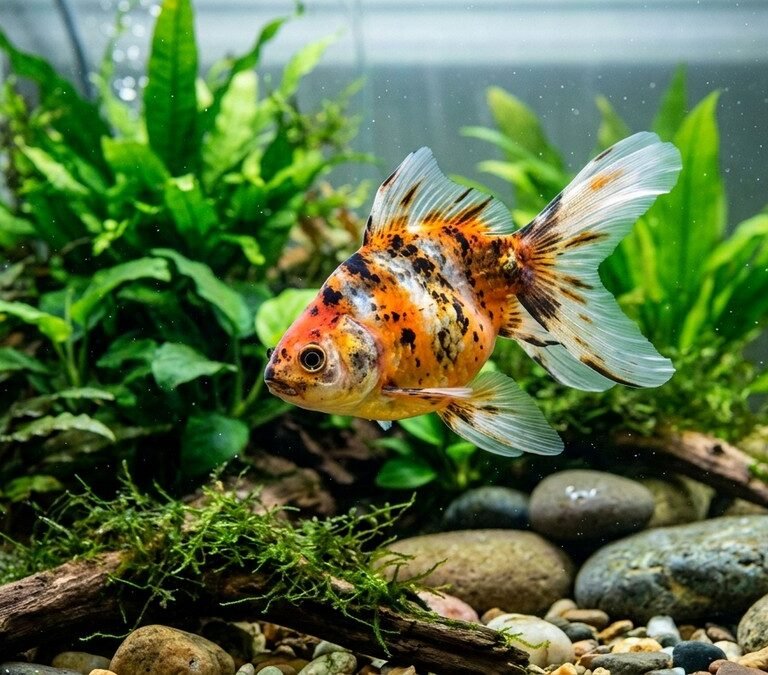
| Fancy Goldfish | 1 to 2 times daily | Sinking pellets, duckweed, gel food | Pre-soaked food eaten within 2 minutes |
2. Mastering Portion Control: The Two-Minute Rule
How much food should you dispense per meal? A practical standard used by professional aquarists is the two-minute rule: only feed what all fish can aggressively finish within 120 seconds.
Another physiological benchmark is stomach size: a fish’s stomach is roughly the size of its eyeball. Dropping large pinches of flake food into the aquarium overwhelms their digestive capacity. Excess flakes drift into plant roots or crevices, decomposing into ammonia and phosphate.
3. Why Fasting Once a Week Is Essential
Designating one consistent day each week (such as Sunday) as a fasting day provides significant health benefits for aquarium fish:
- Prevents Digestive Constipation: Allows full intestinal clearance, preventing swollen bellies and protecting against fish swimming sideways due to swim bladder pressure.
- Reduces Water Waste Accumulation: Less food input equals less organic waste, directly helping you prevent toxic ammonia spikes in your fish tank.
- Stimulates Natural Foraging: Hungry fish pick through algae on plant leaves and search substrate for microorganisms, mimicking natural wild behaviors.
Aquarium Water & Care Knowledge Base
Maintain pristine water chemistry and long-term fish health with our expert guides:
5. The Physics of Dry Flake Expansion in Stomach Volumes
To appreciate why overfeeding is so common, observe what happens to dry commercial fish foods when submerged. Processed flakes and extruded pellets are dehydrated during manufacturing to extend shelf life:
- Volumetric Expansion Rates: In a glass of water, dry pellets expand between 200 and 400 percent of their dry volume within three minutes as they rehydrate.
- Internal Gastrointestinal Distension: When a hungry fish consumes dry hard pellets directly from the water surface, those pellets expand inside the warm stomach cavity, causing intense abdominal bloating, intestinal compaction, and severe swim bladder compression.
- The Pre-Soaking Golden Rule: Always pre-soak dry sinking pellets and wafers in a cup of aquarium water for three minutes before feeding to allow full expansion before ingestion.
6. Feeding Herbivorous Biofilm Grazers and Bottom Dwellers
Many aquarists make the tragic mistake of assuming algae-eating bottom dwellers (Plecostomus, Otocinclus, Nerite snails, Corydoras) can survive solely on leftover tank scrapings:
Common brown diatom algae and green dust algae in a home aquarium provide negligible protein and lipids. Herbivores require specialized nutritional support. Feed sinking spirulina wafers and blanched fresh vegetables (zucchini, cucumber, spinach, and shelled peas) weighted down with a stainless steel fork at night after tank lights turn off, preventing aggressive surface swimmers from stealing their food.
7. Gel Foods and Frozen Nutrient Diversification
Feeding identical commercial dry flakes every day leads to nutritional deficiencies and digestive issues. Integrate diverse high-grade dietary forms:
- Commercial Gel Foods (Repashy): Gel diets mixed with boiling water solidify into nutrient-dense, water-stable cakes that do not dissolve into fine dust or pollute aquarium water. Grazing fish can pick at gel foods naturally for hours.
- Frozen Enriched Brine Shrimp and Mysis: Frozen crustaceans provide intact chitinous exoskeletons that act as essential roughage to scrub the fish digestive tract clean. Thaw frozen cubes in a small cup of tank water and strain away excess packing liquid before feeding.
- Live Daphnia (Water Fleas): Live freshwater daphnia stimulate natural hunting instincts while functioning as an infallible natural cure for digestive constipation.
8. Vacation Feeding Protocols: Why Feeder Blocks Cause Disasters
When going on vacation for one to two weeks, well-meaning owners frequently purchase white plaster feeder blocks or recruit untrained neighbors to feed their fish. This is the single most common cause of vacation tank crashes:
- Plaster Vacation Blocks: Made of calcium sulfate chalk holding compressed food, these blocks dissolve uncontrollably, clouding the water, spiking water hardness, and releasing huge quantities of decaying food when fish refuse to eat chalk.
- Neighbor Overfeeding Disasters: Well-meaning friends almost always overfeed, dumping giant pinches of flakes into the tank. Uneaten food rots, oxygen plummets, and ammonia spikes, killing the entire tank.
- The Safe Solution: Adult Fish Can Fast: Adult community fish can comfortably fast for seven to ten days in a healthy planted tank with zero ill effects. If away longer, use a portioned pill organizer with exact micro-doses for a pet sitter to dispense.
Frequently Asked Questions (FAQs)
1. How often should you feed adult aquarium fish each day?
Most healthy adult community fish should be fed once or twice daily. Providing smaller meals once or twice per day ensures nutrients are absorbed without polluting the water column.
2. What is the two-minute feeding rule in fish keeping?
The two-minute rule states that you should only offer as much food as all fish can completely consume within two minutes. Any flakes or pellets left floating or sinking after two minutes represent overfeeding.
3. Is it beneficial to fast aquarium fish once a week?
Yes. Fasting adult fish for one full day each week allows their digestive tract to clear thoroughly, preventing constipation, gas buildup, and swim bladder problems while encouraging fish to forage natural algae.
4. How long can aquarium fish survive without food while on vacation?
Most healthy adult freshwater fish can easily survive seven to ten days without food in a stable aquarium. Overfeeding with automatic feeders or chalky vacation feeder blocks often causes lethal ammonia spikes.
5. Do baby fish (fry) need more frequent feeding?
Yes. Rapidly developing fry and juvenile fish possess tiny stomachs and high metabolic demands, requiring three to five micro-feedings per day of specialized micro-foods like baby brine shrimp or infusoria.
6. What happens if you overfeed your fish consistently?
Overfeeding leads to decaying organic sludge, explosive algae growth, lethal ammonia and nitrite spikes, cloudy water, and chronic health issues including fatty liver disease and swim bladder compaction.
Why do fish constantly act hungry even right after being fed?
Fish are cold-blooded opportunists without a mammalian satiety center. In the wild, food is unpredictable, so fish are biologically hardwired to eat whenever food is visible, regardless of whether their stomach is full.
How can you tell if an automatic fish feeder is dispensing too much food?
Test the automatic feeder over a clean plate on your kitchen counter for three days before mounting it on the tank. Adjust the dispensing aperture until only a tiny pinch drops per cycle.