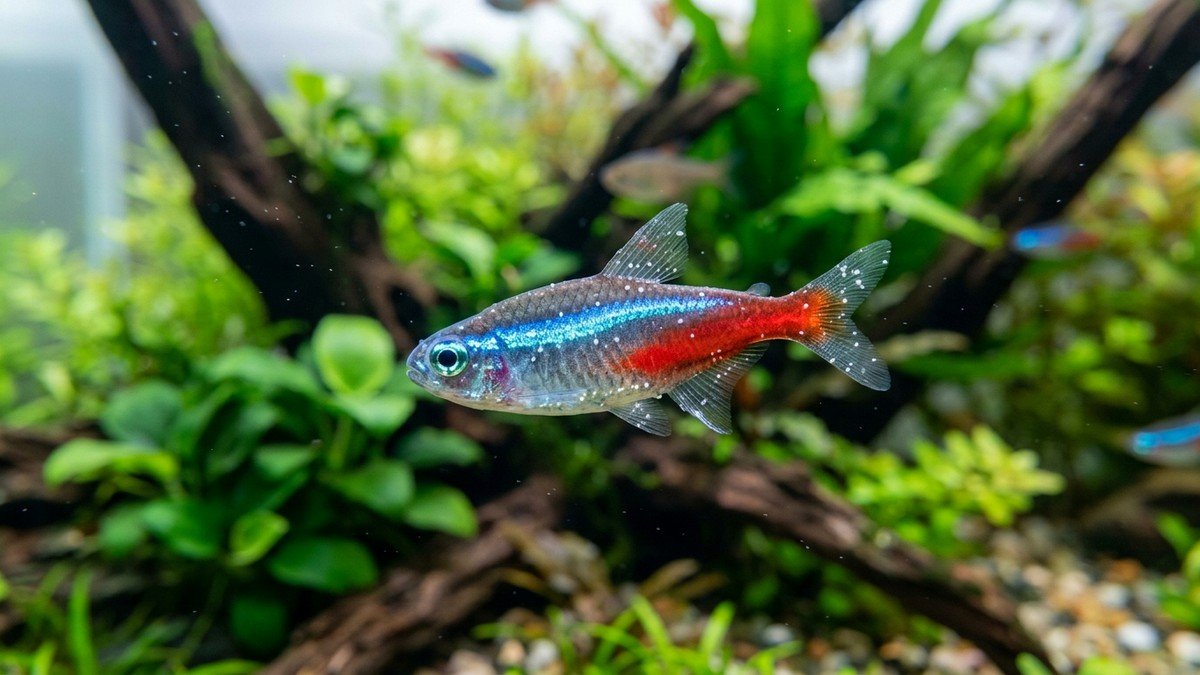
Few sights create more dread for an aquarium hobbyist than noticing tiny, crystalline white specks dotted across the fins and scales of their fish, as if someone dusted the aquarium with grains of table salt. This affliction is ich (commonly pronounced ‘ick’), also known as white spot disease. Caused by the external ciliated protozoan parasite Ichthyophthirius multifiliis, ich is exceptionally contagious. Left untreated, it will proliferate exponentially and can wipe out an entire aquarium community within days.
Crucial Parasite Biology
You cannot kill the white cysts while they are attached to the fish. The white spot is a protective mucus nodule encapsulating the feeding parasite. Ich treatments are only effective during the free-swimming theront stage, after the cyst drops off the fish.
1. Physical and Behavioral Signs of Ich
Recognizing early indicators enables rapid treatment before the parasite colonizes gill tissues:
- Flashing and Glancing: Infected fish rub their sides, gills, or fins against rocks, driftwood, or gravel substrate in an attempt to dislodge the irritating parasites.
- Salt-Grain Cysts: Tiny distinct white nodules (0.5 to 1.0 mm in diameter) appear on caudal, dorsal, and pectoral fins before spreading across the body scales.
- Clamped Fins and Shivering: Affected fish hold their dorsal and tail fins held tight against their body, often hovering stationary with rapid shivering motions.
- Rapid Gill Respiration: When trophonts penetrate the delicate gill lamellae, respiration is impaired, forcing fish to gasp frantically near the water surface or filter outflow.
The Triphasic Life Cycle of Ich
Understanding the life cycle explains why medications must be sustained for several days past visual symptom disappearance:
| Life Cycle Stage | Parasite Form | Aquarium Location | Treatment Vulnerability |
|---|---|---|---|
| Stage 1: Trophont | Feeding adult parasite | Embedded under fish epithelium | Impervious to all medications |
| Stage 2: Tomont | Encysted dividing reproductive cyst | Adhered to gravel, glass, and decor | Protected by thick gelatinous wall |
| Stage 3: Theront | Free-swimming infectious tomites | Actively swimming in water column | 100% Vulnerable to heat & meds |
2. Proven Treatment Protocols for Complete Eradication
Depending on whether your tank houses hardy tropical fish or sensitive planted species, choose between the heat treatment or medical dosing approach:
Method A: Heat and Salt Therapy (Chemical-Free)
Over 24 to 36 hours, raise the water temperature gradually to 86 degrees Fahrenheit (30 degrees Celsius). At this elevated temperature, the theront cannot complete its life cycle and perishes. Add one tablespoon of pure aquarium salt per three gallons of water to reduce osmoregulatory stress. Maintain this temperature for a full ten days. Always add an airstone because warm water holds less dissolved oxygen.
Method B: Medication Therapy (Malachite Green and Formalin)
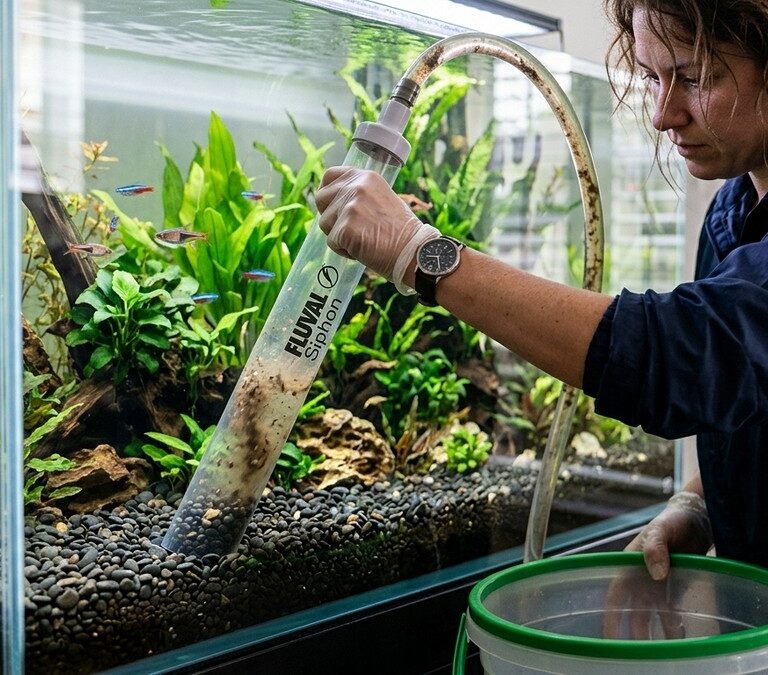
In tanks where species cannot tolerate 86-degree heat, use proven commercial treatments such as Ich-X, Fritz Mardel Coppersafe, or Seachem Paraguard. Remove all carbon filter media before dosing. Perform a 25 percent water change prior to each daily redose to siphon away grounded tomont cysts from the gravel substrate.
Aquarium Disease & Water Quality Hub
Protect your aquatic ecosystem with our in-depth aquarium health resources:
5. Accelerating the Life Cycle: The Thermodynamics of Ich
To eradicate ich effectively, aquarists must leverage the thermodynamics of the parasite’s life cycle. As an ectothermic organism, the metabolic rate of Ichthyophthirius multifiliis is dictated entirely by water temperature:
- Cool Water (65 to 70 Degrees F): The reproductive cycle is sluggish, lasting 25 to 35 days. The trophont feeds on the fish for weeks, dragging out illness and increasing mortality risk.
- Tropical Water (78 to 80 Degrees F): The cycle compresses to four to five days. Cysts mature and detach rapidly, entering the division phase.
- Elevated Heat (86 Degrees F / 30 Degrees C): The infectious theront stage cannot complete its reproductive division; high temperatures destroy thermal protein bonds, halting transmission and killing the parasite directly.
6. Scaleless Species Vulnerabilities and Safe Half-Dosing
Standard commercial ich medications utilize potent chemical agents including malachite green, copper sulfate, and formalin. While scaled fish (cichlids, livebearers, goldfish) tolerate standard dosages, scaleless fish face acute chemical toxicity:
- Sensitive Scaleless Taxa: Corydoras catfish, Plecostomus, Clown Loaches, Otocinclus, and fragile Tetras absorb chemicals rapidly through their naked skin epidermis. Standard doses cause acute chemical burns, severe lethargy, and respiratory collapse.
- The Strict Half-Dose Protocol: When treating aquariums housing scaleless species, administer commercial medications at exactly 50 percent of the manufacturer’s recommended dose, extending treatment duration by three additional days to compensate.
- Invertebrate Lethality: Copper and malachite green are 100 percent lethal to pet freshwater shrimp (Neocaridina, Amano) and ornamental snails. Relocate invertebrates to an untreated tank before initiating chemical therapy.
7. Medication Efficacy Comparison: Ich-X vs Copper vs Salt
Compare the primary eradication methods to choose the safest protocol for your tank parameters:
- Ich-X (Formulated Malachite Green Chloride): The premier veterinary standard. Less harsh than older oxalate salts, highly effective against theronts, and safe for bio-filtration when used as directed.
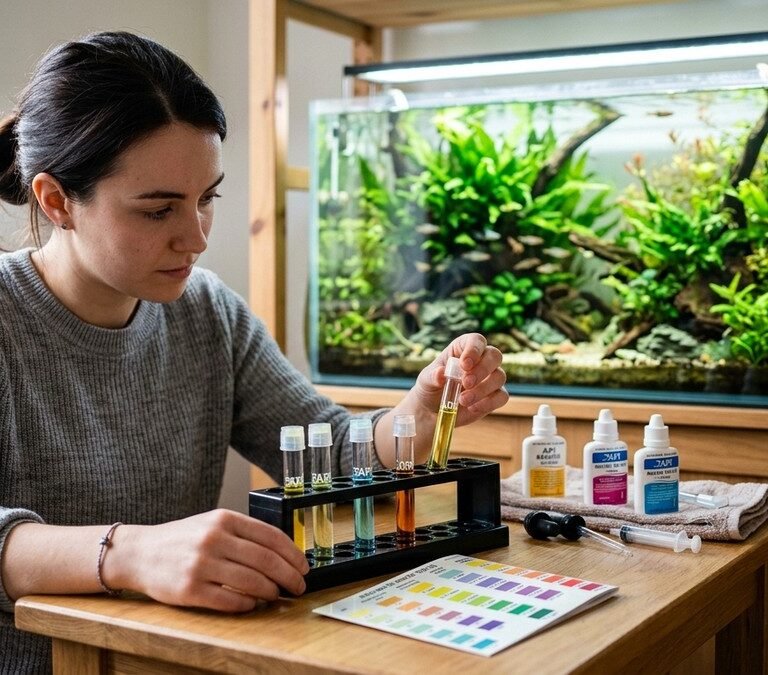
- Chelated Copper (Cupramine / Coppersafe): Extremely stable and effective, but requires accurate copper test kits to maintain clinical levels between 0.15 and 0.20 ppm. Highly toxic to plants and invertebrates.
- Aquarium Salt (Sodium Chloride): Natural, non-toxic, and plant-safe at low doses. Disrupts parasite osmoregulation when dosed at 1 to 2 tablespoons per 3 gallons, but cannot be removed except through physical water changes.
8. Rebuilding the Slime Coat After Parasite Eradication
Once all white spots vanish, the fish’s skin is left with thousands of microscopic puncture wounds where cysts exited the epithelium. This leaves fish vulnerable to opportunistic secondary bacterial and fungal infections:
- Add Indian Almond Leaves (Catappa): Dried catappa leaves release natural tannins and humic acids into the water, providing gentle natural antibacterial and antifungal protection while tinting the water a soothing amber.
- Dose Colloidal Slime Coat Protectors: Water conditioners containing pure aloe vera extract and polyvinylpyrrolidones (such as API Stress Coat or Seachem StressGuard) bind directly to exposed wound protein sites, accelerating epithelial healing.
- Gradual Temperature Normalization: If heat treatment was used, lower the water temperature slowly by 1.5 degrees Fahrenheit per day back to normal levels to avoid chilling stress.
Frequently Asked Questions (FAQs)
1. What is the very first sign of ich in aquarium fish?
Flashing or rubbing against aquarium decor and gravel is often the earliest sign of ich, occurring hours before visible white cysts penetrate the outer epidermis.
2. Can ich be cured simply by raising the water temperature?
Yes, in many tropical freshwater setups, gradually elevating water temperature to 86 degrees Fahrenheit (30 degrees Celsius) disrupts the theront life cycle and kills the parasite without medication, provided species can tolerate the heat.
3. How long is the ich life cycle in a home aquarium?
At standard aquarium temperatures (76 to 78 degrees F), the complete life cycle lasts between three to five days. In cooler water (65 to 70 degrees F), the cycle slows to several weeks.
4. Can you treat ich while keeping activated carbon in the filter?
No. Activated carbon and chemical resins absorb medications such as malachite green and formalin out of the water within hours. Always remove chemical carbon media before dosing medications.
5. Does aquarium salt kill ich parasites?
Yes. Dosing pure aquarium salt (sodium chloride) at one tablespoon per two to three gallons disrupts the parasite’s osmotic regulation, particularly when combined with elevated heat.
6. Are scaleless fish like loaches and catfish sensitive to ich medication?
Yes. Scaleless fish (corydoras, clown loaches, plecos) absorb copper and formalin-based medications much faster through their skin. Always dose ich medications at half-strength for these sensitive species.
Can fish develop natural immunity to ich after surviving an infection?
Yes. Studies demonstrate that fish that survive an ich outbreak develop humoral antibodies against the parasite surface antigens, providing partial or complete protective immunity for several months.
Why is it dangerous to lower aquarium temperature immediately after white spots disappear?
Dropping temperature too early allows newly divided theronts lurking in the gravel to infect the healing, compromised fish. Always continue treatment for a minimum of 4 days after the last white speck vanishes.