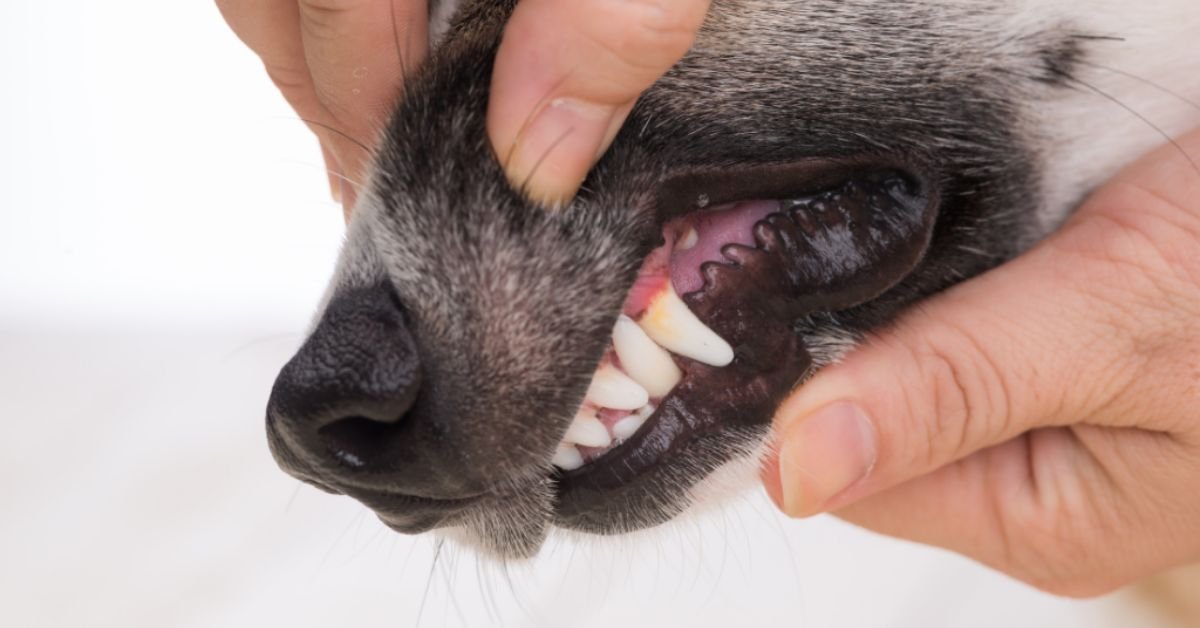
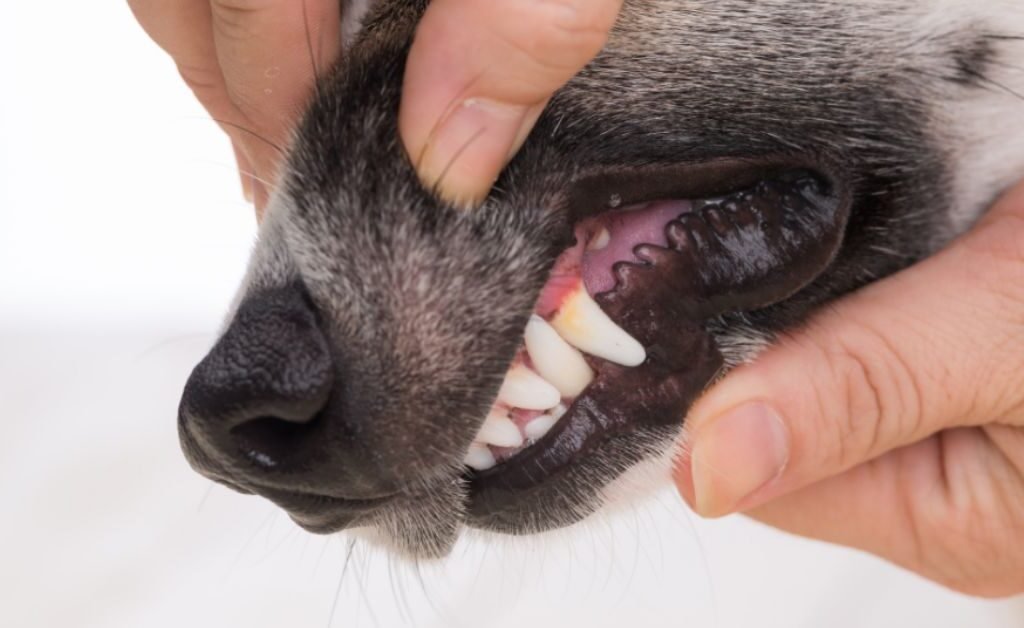
If you notice that your dog’s gums are looking pale, whitish, or gray instead of the healthy pink, it could be a sign of an underlying health issue. Pale gums in dogs are often a symptom that should not be ignored, as they can indicate problems ranging from mild anemia to serious circulatory or systemic diseases.
In this guide, we’ll discuss everything about pale gums in dogs – causes, symptoms, treatment, and prevention tips to keep your furry friend healthy and happy.
👉 Related read: Can Dogs Eat Oranges? 🍊 – for safe dog-friendly fruits.
🩺 What Are Normal Dog Gums?
Healthy dog gums should be:
- Pink in color (pale pink for lighter breeds, darker pink for darker breeds)
- Moist and smooth
- Elastic, meaning they spring back quickly when gently pressed
A simple check: Press your dog’s gum with your finger for 2 seconds and release. If it returns to its normal color within 2 seconds, the capillary refill time is normal.
🐾 Causes of Pale Gums in Dogs
1. Anemia
- Reduced red blood cells or hemoglobin can make gums appear pale.
- Causes of anemia in dogs:
- Blood loss (trauma, internal bleeding)
- Parasites (fleas, ticks, worms)
- Chronic diseases or infections
2. Shock
- Dogs in shock due to trauma, heatstroke, or severe allergic reactions may have pale or gray gums.
- Often accompanied by rapid breathing, weak pulse, and lethargy.
3. Heart Problems
- Heart failure or congenital heart defects can reduce oxygen supply, leading to pale gums.
- Symptoms: Coughing, difficulty breathing, fatigue.
4. Blood Loss
- Internal or external bleeding can cause gums to lose color.
- Check for injuries, vomit with blood, or dark stools.
5. Nutritional Deficiencies
- Lack of iron or essential vitamins can cause mild anemia and pale gums.
6. Infections & Illnesses
- Parvovirus, canine distemper, and other infections may lead to gum discoloration.
⚠️ Symptoms to Watch For
Pale gums rarely appear alone. Look for:
- Weakness or lethargy
- Rapid breathing or panting
- Cold extremities (ears, paws)
- Loss of appetite
- Vomiting or diarrhea
👉 Related read: Can Dogs Get COVID? – learn more about viral risks in dogs.
🩹 Diagnosis of Pale Gums
Veterinarians use a combination of:
- Physical examination (checking gum color, pulse, hydration)
- Blood tests (CBC, hematocrit, hemoglobin levels)
- Imaging (X-rays or ultrasound to detect internal bleeding or heart issues)
- Stool and urine tests to detect infections or parasites
Early diagnosis is critical to treat the underlying cause effectively.
🐕 Treatment Options
Treatment depends on the cause:
| Cause | Treatment |
|---|---|
| Anemia | Iron supplements, blood transfusion in severe cases |
| Shock | IV fluids, oxygen therapy, emergency care |
| Heart Problems | Medication (diuretics, ACE inhibitors), surgery in severe cases |
| Blood Loss | Stop bleeding, surgery if internal, blood transfusion |
| Infection | Antibiotics or antivirals as prescribed |
| Nutritional Deficiency | Balanced diet, vitamins, supplements |
💡 Tip: Always consult a veterinarian before giving supplements or medications.
🛡️ Preventing Pale Gums in Dogs
- Regular vet check-ups
- Proper parasite prevention (flea/tick/worm control)
- Balanced diet rich in iron, protein, and vitamins
- Immediate care after injuries or trauma
- Monitoring your dog’s gum color regularly
👩⚕️ When to See a Vet Immediately
- Gum color becomes white, gray, or blue
- Excessive weakness or collapse
- Heavy bleeding or persistent vomiting
- Rapid breathing or difficulty in breathing
Early intervention can save your dog’s life.
✅ FAQs About Pale Gums in Dogs
🌟 Final Thoughts
Pale gums in dogs are a warning sign that should never be ignored. By recognizing the symptoms early, monitoring your dog’s health, and seeking veterinary care, you can prevent serious complications.
For more dog health guides and tips, visit MyPetVista for comprehensive resources.