
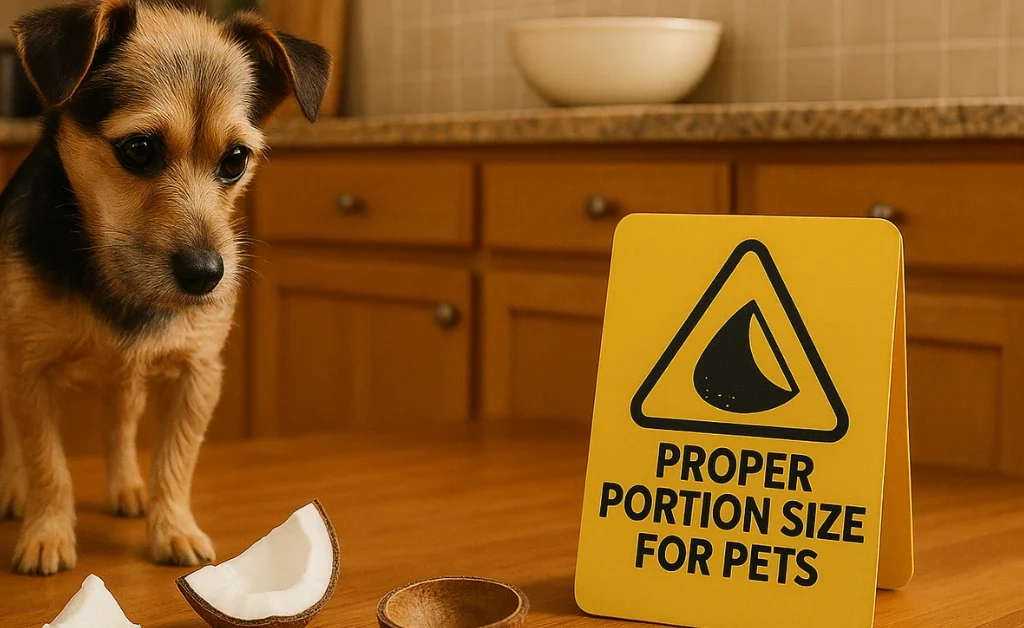
Coconut is a tropical fruit prized for its unique flavor and nutritional profile. But, can dogs eat coconut safely? The simple answer is yes — dogs can eat coconut in moderation and enjoy several health benefits when given the right way. Coconut meat, oil, water, and flour are all safe parts, but coconut shell or husk should never be given to dogs due to choking risk.
Coconut contains medium-chain triglycerides (MCTs) and lauric acid, which have antiviral and antibacterial properties. These can boost your dog’s immune system, reduce inflammation, promote healthy skin, and provide easily digestible energy.
However, coconut is also calorie- and fat-rich, so feeding too much or regularly can cause weight gain or digestive issues. Always treat coconut as a treat, not a main food source, and ideally keep treats under 10% of your dog’s daily calorie intake.
Learn more about healthy fruits and vegetables safe for dogs such as:
What Coconut Products Can Dogs Have?
Coconut Meat
Coconut meat is safe and nutritious when given in small amounts. You can feed your dog a few small flakes or chunks as a tasty treat. It contains fiber, vitamins, and antioxidants beneficial for overall health.
Coconut Oil
Coconut oil is safe in very small quantities (e.g., for making pill-giving easier or applying topically). Too much oil can cause diarrhea or pancreatitis, especially in dogs with sensitive stomachs or pancreatic disease. Always start with tiny amounts.
Coconut Water
Fresh coconut water is generally safe but should be given sparingly due to its high potassium and sugar content. Packaged coconut water with additives is not recommended.
Coconut Milk
Coconut milk can be given to dogs in small quantities if it does not contain additives, sugars, or artificial flavors. Moderation is key.
Coconut Husk and Shell
Never give the hard shell or husk to dogs, as these can cause choking hazards or intestinal blockages.
How Much Coconut Can Your Dog Eat Safely?

The recommended serving sizes depend on your dog’s size and should always be considered within the overall calorie intake:
| Dog Size | Safe Daily Coconut Meat Amount |
|---|---|
| Extra-small (2–20 lbs) | 1/8 teaspoon |
| Small (21–30 lbs) | 1/2 teaspoon |
| Medium (31–50 lbs) | 1/2 teaspoon |
| Large (51–90 lbs) | 1 to 1 ½ teaspoons |
| Extra-large (91+ lbs) | 1 to 1 ½ teaspoons |
Always remember treats, including coconut, should not exceed 10% of total daily calories.
How to Feed Your Dog Coconut
- Add small pieces of fresh coconut meat as a topper to their regular food.
- Use coconut oil sparingly mixed with food or as a topical moisturizer for the skin and coat.
- Avoid giving any parts resembling shell or husk.
- Monitor your dog for any signs of allergies or digestive trouble when introducing coconut.
- Consult your veterinarian before introducing coconut, especially if your dog has existing health issues.
Can Dogs Eat Coconut Oil?
Coconut oil is generally safe for dogs in tiny amounts. It may help with skin and coat health when applied externally, and some owners use it internally for various health reasons, including anti-inflammatory and brain health support. Use cautiously, as excess oil can cause diarrhea, weight gain, or worsen pancreatitis. Always consult your veterinarian for the appropriate dosage.
Can Dogs Have Coconut Milk?
Coconut milk itself is non-toxic but should be fed in moderation due to potential additives and its fat content. Homemade coconut milk without added sugars or preservatives is better when offered as an occasional treat.
How Much Coconut Can Dogs Eat Safely?

Feeding coconut in small amounts relative to your dog’s weight ensures safety and prevents unwanted side effects like digestive upset or weight gain. Always use coconut as a treat and not as a staple food.
Can Dogs Eat Dried Coconut?
Dried coconut can be given in limited quantities but watch for added sugars or preservatives that might be harmful. Always choose unsweetened dried coconut and control portions carefully to avoid digestive problems.
FAQs About Can Dogs Eat Coconut
Conclusion: Why Coconut Can Be a Smart Treat for Your Dog
Feeding your dog coconut thoughtfully is a simple way to boost their health and happiness. Packed with antioxidants, lauric acid, and healthy fats, coconut supports immune health, soothes inflammation, and promotes a shiny coat. Remember to feed it in moderation and avoid the shell or husk, which can be dangerous.
With the right portions and variety—be it coconut meat, oil, or milk—you can safely add this tropical superfood to your dog’s treat rotation. Always check with your vet if your dog has special health concerns before introducing anything new to their diet.
Give your furry friend a little piece of paradise with coconut, and watch them thrive with this delicious and nutritious treat!
Disclaimer: This article is for informational purposes only and is not a substitute for professional veterinary advice. Always consult your vet before introducing new foods or supplements to your dog’s diet.