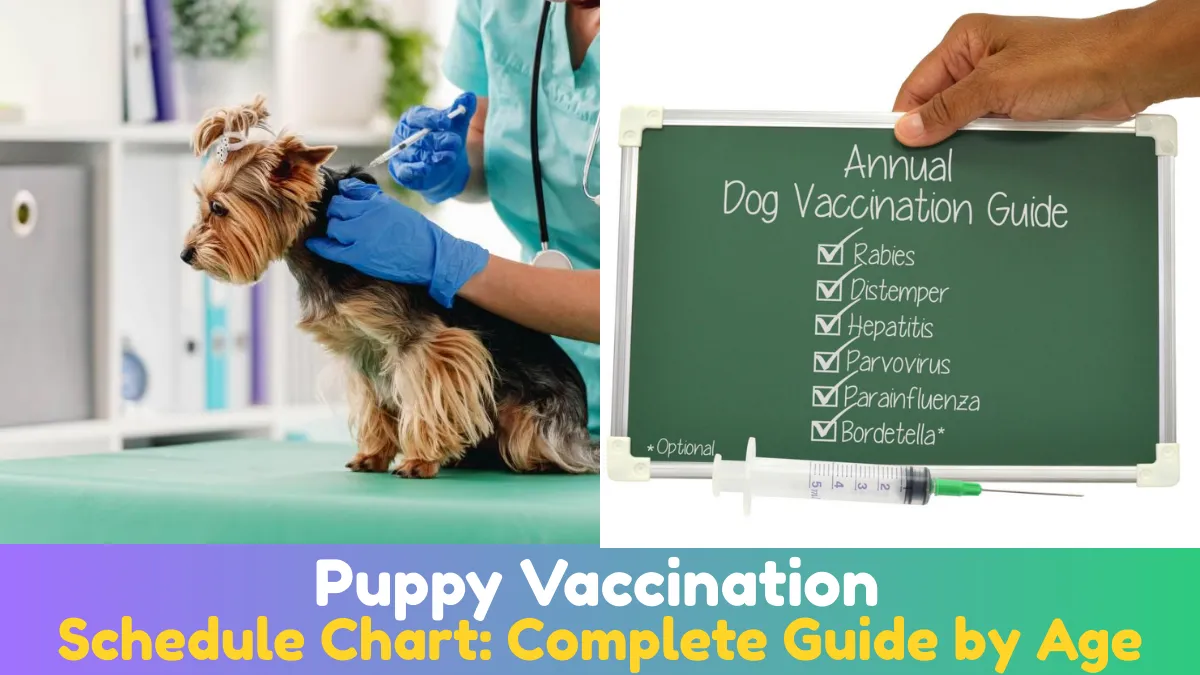
Bringing home a new puppy is exciting, but it also comes with important responsibilities. One of the most critical steps in protecting your puppy’s health is following the correct puppy vaccination schedule chart. Vaccines help protect puppies from serious and sometimes life-threatening diseases.
A standard puppy vaccination schedule chart usually starts when a puppy is 6–8 weeks old and continues until around 16 weeks of age. During this time, puppies receive a series of vaccines that gradually build immunity as the protection from their mother’s milk begins to fade.
Following the proper puppy vaccination schedule chart by age ensures your dog is protected from diseases like parvovirus, distemper, hepatitis, rabies, and parainfluenza. In this guide, we’ll explain the recommended puppy vaccination schedule chart, optional vaccines, and important tips every dog owner should know.
Puppy Vaccination Schedule Chart by Age
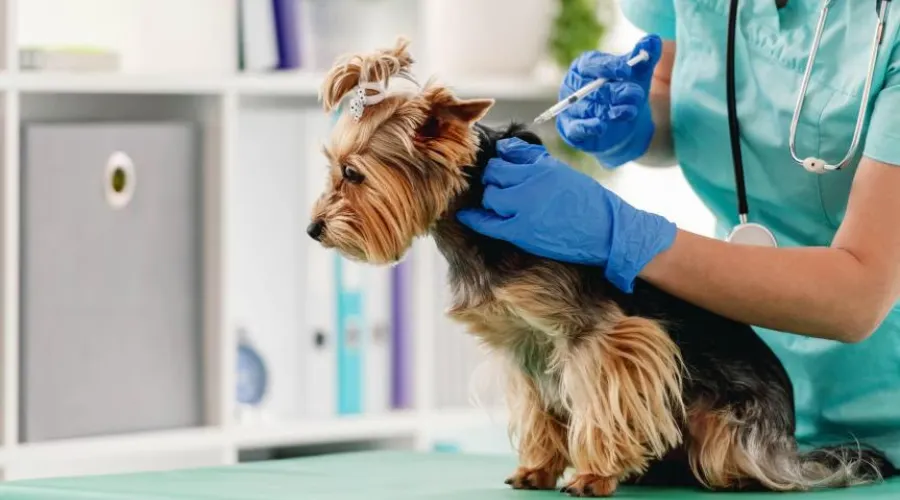
Below is a simplified puppy vaccination schedule chart by age recommended by most veterinarians.
| Puppy Age | Vaccine | Purpose |
|---|---|---|
| 6–8 Weeks | DAPP / DHPP (1st dose) | Protects against Distemper, Adenovirus, Parvovirus, Parainfluenza |
| 10–12 Weeks | DAPP / DHPP (2nd dose) | Booster to strengthen immunity |
| 14–16 Weeks | DAPP / DHPP (3rd dose) + Rabies | Final core vaccine and rabies protection |
| 12–16 Months | DAPP Booster + Rabies | Annual booster for long-term immunity |
This puppy vaccination schedule chart is considered the core vaccine schedule that every puppy should follow.
Why the Puppy Vaccination Schedule is Important

A proper puppy vaccination schedule chart helps protect puppies when they are most vulnerable. When puppies are born, they receive antibodies from their mother’s milk. However, these antibodies gradually fade within the first few weeks of life.
That is why veterinarians recommend following a puppy vaccination schedule chart by age so that immunity builds gradually.
Key Benefits of Vaccinating Your Puppy
- Prevents deadly diseases like parvo and distemper
- Strengthens your puppy’s immune system
- Protects other dogs and pets
- Required for boarding, grooming, and daycare
- Required by law in many places for rabies vaccination
Following the correct puppy vaccination schedule chart ensures your puppy grows up healthy and protected.
Must visit :- https://mypetvista.com/guide/can-dogs-eat-black-beans/
Core Vaccines in the Puppy Vaccine Schedule Chart
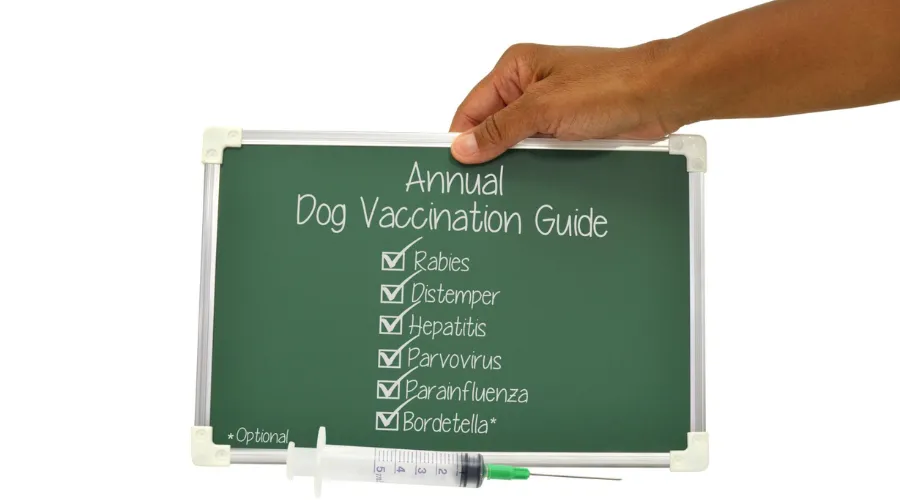
Core vaccines are considered essential in every puppy vaccination schedule chart because they protect against highly contagious and dangerous diseases.
Main Core Vaccines
| Vaccine | Disease Protected Against |
|---|---|
| Distemper | A severe viral disease affecting respiratory and nervous system |
| Adenovirus | Causes canine hepatitis |
| Parvovirus | Highly contagious intestinal virus |
| Parainfluenza | Respiratory infection |
| Rabies | Fatal virus affecting the nervous system |
Most of these vaccines are given as part of the DHPP or DAPP vaccine, which is the main component of the puppy vaccination schedule chart.
Non-Core Vaccines in the Puppy Vaccination Schedule Chart
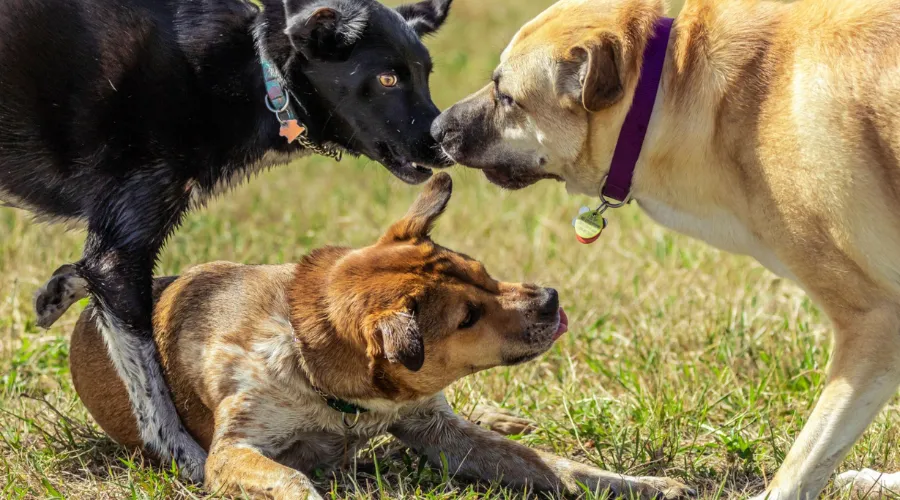
Non-core vaccines are optional but may be recommended depending on your puppy’s lifestyle. Veterinarians sometimes add these vaccines to the puppy vaccination schedule chart if a puppy is exposed to certain environments.
Common Non-Core Vaccines
| Vaccine | Recommended For |
|---|---|
| Bordetella | Dogs visiting kennels, daycare, or dog parks |
| Leptospirosis | Dogs exposed to wildlife or standing water |
| Lyme Disease | Dogs living in tick-heavy areas |
| Canine Influenza | Dogs in high-contact environments |
Your veterinarian may adjust the puppy vaccination schedule chart by age based on your location and lifestyle.
Puppy Vaccine Schedule Chart UK vs USA

The puppy vaccine schedule chart UK is very similar to the schedule used in the United States, although there may be small differences depending on veterinary guidelines.
| Age | USA Vaccine Schedule | UK Vaccine Schedule |
|---|---|---|
| 6–8 Weeks | DHPP | Distemper, Hepatitis, Parvovirus |
| 10–12 Weeks | DHPP Booster | Booster vaccines |
| 14–16 Weeks | DHPP + Rabies | Final booster |
| 12 Months | Annual booster | Annual booster |
Both schedules aim to provide complete protection during the early stages of a puppy’s life.
Must visit :- Mini Boxer Dog Breeders: Where to Find Your Perfect Petite Pup
Important Tips for Following a Puppy Vaccination Schedule
Following a puppy vaccination schedule chart requires careful planning. Here are some essential tips for new dog owners.
1. Avoid Public Areas Too Early
Puppies should avoid dog parks, pet stores, or crowded areas until two weeks after the final vaccine, usually around 18 weeks of age.
2. Keep Vaccination Records
Always maintain a digital or printed vaccination record. These records are required for:
- Boarding facilities
- Grooming services
- Dog training classes
- Travel
3. Follow the Vet’s Advice
Your veterinarian may adjust the puppy vaccination schedule chart depending on:
- Local disease outbreaks
- Puppy’s health condition
- Breed risk factors
Signs Your Puppy Needs Immediate Veterinary Care
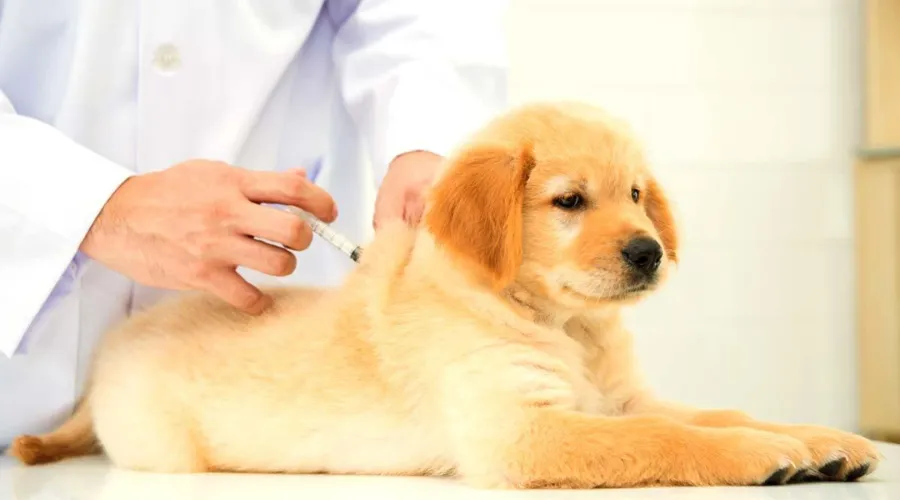
Even if you follow the puppy vaccination, you should monitor your puppy’s health closely.
Warning Signs
- Extreme lethargy
- Vomiting or diarrhea
- Loss of appetite
- Difficulty breathing
- Swelling after vaccination
If any of these symptoms appear, contact your veterinarian immediately.
Must visit :- Top Cat Breeds: Discover the Most Popular and Lovable Feline Companions
Printable Puppy Vaccination Schedule Chart
Many dog owners like to keep a printable puppy vaccination at home to track their puppy’s vaccines.
Example Record Table
| Date | Puppy Age | Vaccine Given | Vet Notes |
|---|---|---|---|
Keeping a vaccination chart helps ensure you never miss an important vaccine.
Conclusion
Following a proper puppy vaccination schedule chart is one of the most important steps in raising a healthy dog. Vaccines protect puppies from serious diseases and help build long-term immunity during their early development.
By following the recommended puppy vaccination, consulting your veterinarian, and maintaining accurate records, you can ensure your puppy stays healthy and protected throughout its life.
Whether you are a first-time dog owner or experienced with pets, understanding the puppy vaccine schedule chart UK and US guidelines will help you provide the best care for your puppy.