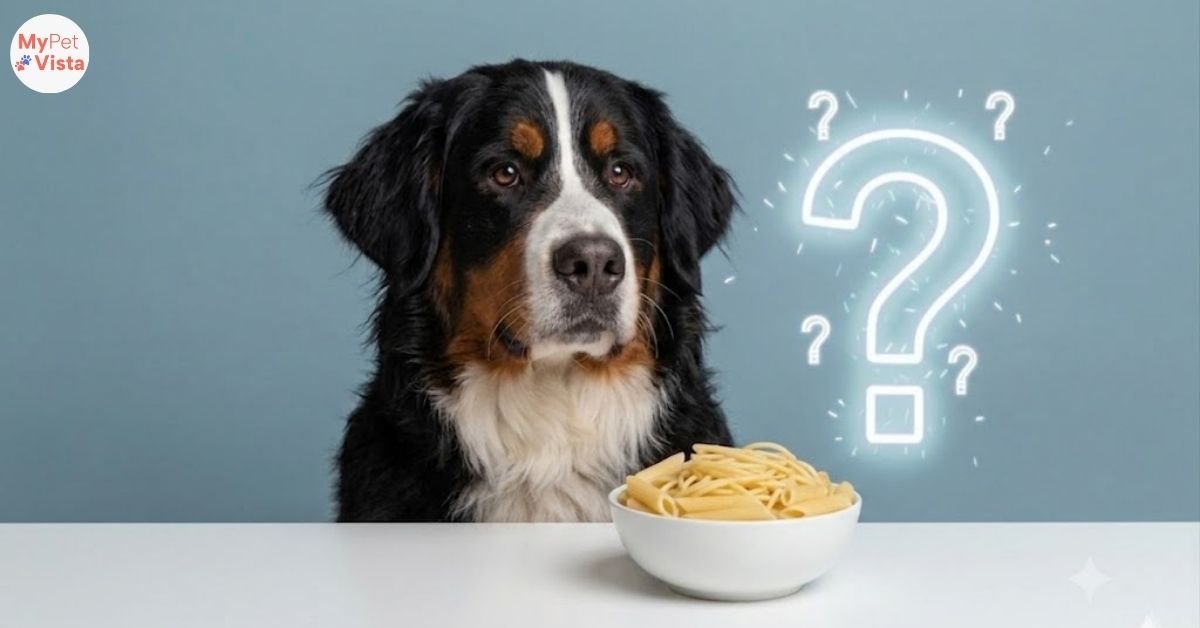
If your dog starts staring at you while you’re enjoying a bowl of pasta, you may wonder, can dogs eat pasta safely?
The short answer is yes, dogs can generally eat plain, fully cooked pasta in small amounts. Plain pasta isn’t considered toxic to dogs, but it also doesn’t provide much nutritional value for them. The bigger concern is what you put on the pasta.
Pasta covered in tomato sauce, garlic, onion, cheese, butter, or lots of salt is very different from a few pieces of plain cooked pasta.
So, can dogs eat spaghetti? What about pasta sauce? Is whole-wheat pasta better? And what should you do if your dog eats a large bowl? Let’s take a closer look.
Is Pasta Safe for Dogs?
Plain, fully cooked pasta can generally be eaten by healthy dogs in moderation.
Most basic pasta is made from ingredients such as wheat and water, sometimes with eggs.
A small amount of plain cooked pasta is unlikely to cause a problem for most dogs. However, pasta is primarily a source of carbohydrates and isn’t necessary for a dog eating a complete and balanced diet.
Think of it as an occasional treat, not a regular part of your dog’s meals.
Can Dogs Eat Plain Cooked Pasta?
Yes. Plain cooked pasta is the simplest and safest type to offer.
If you want to give your dog pasta, make sure it is:
Fully cooked
Plain
Cooled before serving
Cut into appropriate pieces
Free from sauces and seasonings
Avoid adding salt, butter, oil, garlic, onion, or spicy ingredients.
For another simple carbohydrate option, you can also read Can Dogs Eat Rice?.
Can Dogs Eat Spaghetti?
Yes, plain cooked spaghetti can generally be eaten in a small amount.
The long strands can be awkward for some dogs to eat, particularly small dogs that tend to gulp their food.
Break spaghetti into smaller pieces before serving.
The important distinction is between plain spaghetti and spaghetti covered in sauce.
Plain spaghetti may be okay occasionally, while traditional pasta sauces can contain ingredients that aren’t suitable for dogs.
Can Dogs Eat Pasta With Tomato Sauce?
It’s better not to give dogs pasta covered in typical tomato sauce.
The problem isn’t necessarily the tomato itself. Many commercial or homemade pasta sauces contain:
- Garlic
- Onion
- Salt
- Sugar
- Spices
- Oils
Garlic and onion are particularly important concerns because they can be harmful to dogs.
If you’re making pasta for your dog, set aside a small portion of plain cooked pasta before adding sauce.
You can also learn more about tomatoes in Can Dogs Eat Tomatoes?.
Can Dogs Eat Pasta With Garlic?
No.
Garlic should not be intentionally included in your dog’s food.
Garlic can be found in many pasta dishes through:
- Fresh garlic
- Garlic powder
- Garlic paste
- Garlic-seasoned sauces
If your dog accidentally eats a small amount of pasta containing garlic, don’t panic, but consider the amount eaten and the ingredients involved. If a significant quantity was consumed, contact your veterinarian.
For more information, read Can Dogs Eat Garlic?.
Can Dogs Eat Pasta With Onion?
No.
Onions are harmful to dogs, including forms such as:
- Fresh onion
- Cooked onion
- Dried onion
- Onion powder
This means pasta dishes containing onion should not be shared with your dog.
Be especially careful with pasta sauces because onion powder can be hidden in ingredient lists.
Can Dogs Eat Pasta With Cheese?
A small amount of plain pasta with a little cheese may be tolerated by some dogs, but cheesy pasta isn’t an ideal regular treat.
Cheese can be high in fat and calories, and some dogs don’t digest dairy products well.
Creamy pasta dishes can be especially rich because they may contain:
- Cheese
- Cream
- Butter
- Oil
- Salt
If your dog has a sensitive stomach, it’s better to skip rich pasta dishes altogether.
For another dairy-related food question, see Can Dogs Eat Cheese?.
Can Dogs Eat Pasta With Butter?
It’s better to avoid adding butter.
Butter is high in fat and calories and doesn’t provide a meaningful benefit to your dog.
If you’re giving your dog pasta, plain cooked pasta is a better choice than buttered pasta.
Can Dogs Eat Spicy Pasta?
No.
Spicy pasta can contain chili, hot sauce, pepper, garlic, onion, and other seasonings that may irritate your dog’s digestive system or contain unsafe ingredients.
Dogs don’t need spicy food.
Keep their portion completely plain if you want to share a little pasta.
Can Dogs Eat Whole Wheat Pasta?
Yes, small amounts of plain cooked whole-wheat pasta can generally be eaten by dogs.
Whole-wheat pasta contains more fiber than refined pasta, but that doesn’t automatically make it necessary or significantly healthier for your dog.
Too much fiber can cause:
- Gas
- Loose stool
- Bloating
- Stomach discomfort
Introduce any new food gradually.
Can Dogs Eat Pasta With Eggs?
Plain pasta made with eggs can generally be safe when fully cooked.
Many types of pasta naturally contain eggs as part of their ingredients.
The concern is usually the preparation rather than the egg itself.
Avoid pasta dishes containing raw egg, excessive seasoning, rich sauces, garlic, or onion.
If you’re interested in eggs as a dog treat, read Can Dogs Eat Eggs?.
Can Puppies Eat Pasta?
Puppies can potentially eat a small amount of plain, fully cooked pasta, but it isn’t necessary for their growth.
Puppies need a carefully balanced diet containing the right amounts of protein, fat, vitamins, minerals, and calories.
Their primary food should be a complete and balanced puppy formula.
If you give a puppy pasta:
Keep it plain
Cook it completely
Give only a small amount
Cut it into manageable pieces
Don’t replace puppy food with pasta
How Much Pasta Can Dogs Eat?
The appropriate amount depends on your dog’s size, health, activity level, and overall diet.
A simple starting guide is:
| Dog Size | Suggested Starting Amount |
|---|---|
| Small dog | 1 to 2 teaspoons |
| Medium dog | 1 to 2 tablespoons |
| Large dog | 2 to 4 tablespoons |
| Extra-large dog | Up to ¼ cup |
These are general portions rather than veterinary prescriptions.
Start with less if your dog has never eaten pasta before.
Remember that treats and extras should make up only a small portion of your dog’s overall diet.
Can Dogs Eat Pasta Every Day?
It’s best not to make pasta an everyday food for your dog.
Pasta is relatively high in carbohydrates and doesn’t provide the complete nutrition dogs need.
Feeding too much pasta can also contribute to excess calorie intake and weight gain.
Your dog’s regular complete and balanced food should remain the foundation of their diet.
Can Overweight Dogs Eat Pasta?
An overweight dog can potentially have a tiny amount of plain pasta, but it’s usually better to choose lower-calorie treats.
Pasta can add calories quickly without providing the same nutritional value as a balanced dog food.
If your dog is on a weight-management plan, ask your veterinarian which treats are appropriate.
Can Dogs With Wheat Allergies Eat Pasta?
No, not necessarily.
Traditional pasta is commonly made from wheat, so dogs with a known wheat or grain allergy may need to avoid certain pasta products.
Don’t assume that a “healthy” pasta is automatically suitable for an allergic dog.
If your dog has a suspected or confirmed food allergy, follow your veterinarian’s dietary recommendations.
You can also read Best Dog Food for Allergies for more information about food-related concerns.
Can Pasta Cause Diarrhea in Dogs?
Yes.
Eating too much pasta or suddenly introducing a new food can cause digestive upset.
Your dog may develop:
- Diarrhea
- Gas
- Vomiting
- Bloating
- Stomach discomfort
Rich pasta sauces can make these symptoms more likely because of their fat, salt, spices, or other ingredients.
If diarrhea or vomiting is severe, persistent, or accompanied by other concerning symptoms, contact your veterinarian.
What If Your Dog Eats a Large Amount of Pasta?
If your dog eats a large quantity of plain cooked pasta, the most likely concern is digestive upset and excess calorie intake.
Monitor your dog for:
- Vomiting
- Diarrhea
- Abdominal discomfort
- Excessive gas
- Loss of appetite
- Lethargy
However, if the pasta contained garlic, onion, chocolate, raisins, xylitol, or another potentially dangerous ingredient, contact your veterinarian promptly.
Don’t induce vomiting unless a veterinarian specifically instructs you to do so.
What About Raw Pasta?
Raw dry pasta isn’t a good treat for dogs.
It can be difficult to chew and digest and may cause stomach discomfort.
A dog that accidentally eats a small piece of dry pasta usually doesn’t need to panic, but don’t intentionally offer raw pasta.
Cooked and plain is the better option.
Healthier Alternatives to Pasta
If you’re looking for occasional foods to share with your dog, several simple options may be more nutritious or useful.
Depending on your dog’s individual diet, you can consider:
- Plain carrots
- Cucumber
- Green beans
- Plain cooked sweet potato
- Blueberries
- Banana
- Plain cooked rice
For example, Can Dogs Eat Carrots? explains how to safely serve this crunchy vegetable.
How to Safely Give Pasta to Your Dog
Want to share a little pasta with your pup? Keep it simple.
1. Cook it thoroughly
Soft, fully cooked pasta is easier to chew and digest.
2. Skip the salt
Don’t add extra salt to your dog’s portion.
3. Avoid seasonings
Keep garlic, onion, chili, and seasoning mixes away.
4. Skip the sauce
Set aside plain pasta before adding tomato, cream, or other sauces.
5. Let it cool
Never give your dog piping-hot pasta.
6. Cut long pasta
Break spaghetti and other long noodles into smaller pieces.
7. Keep the portion small
A few pieces are enough for an occasional treat.
Final Verdict: Can Dogs Eat Pasta?
So, can dogs eat pasta?
Yes, most healthy dogs can eat a small amount of plain, fully cooked pasta occasionally.
Pasta itself isn’t generally toxic to dogs, but it isn’t an essential part of their diet either. The biggest risks often come from the ingredients added to pasta dishes – especially garlic, onion, excessive salt, rich sauces, and high-fat toppings.
Remember:
Plain cooked pasta can be given occasionally
Cook it thoroughly
Keep portions small
Let it cool before serving
Break long noodles into smaller pieces
Avoid garlic and onion
Avoid spicy sauces
Avoid excessive salt
Avoid rich, fatty sauces
Don’t feed pasta as a replacement for balanced dog food
A few plain noodles can be a harmless little treat, but your dog doesn’t need a plate of pasta to have a happy dinner.
FAQs About Dogs and Pasta
Keep Learning With MyPetVista
Want to learn more about safe foods, dog nutrition, and everyday pet care? Visit MyPetVista for practical guides that help you keep your furry friend happy, healthy, and safe.