Sharing fresh treats with a feathered companion is one of the most delightful bonding experiences an avian caregiver can enjoy. Watching a parrot, cockatiel, or budgie eagerly explore colorful morsels of fresh produce brings undeniable joy. However, the avian digestive anatomy and metabolic rate differ profoundly from those of humans, dogs, and cats. Foods that are celebrated as human superfoods or everyday kitchen staples can prove instantly fatal to a pet bird.
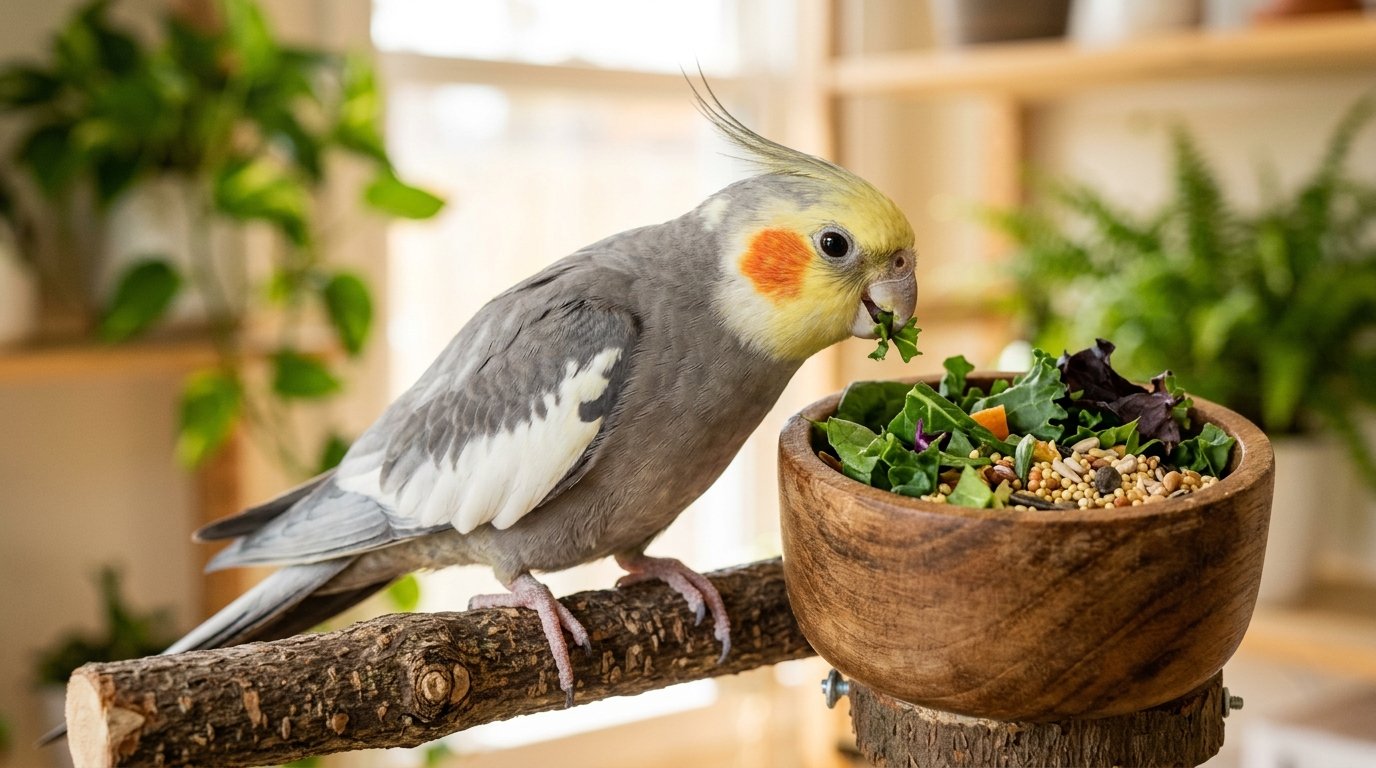
Due to their lightweight skeletal structures, specialized air-sac respiratory systems, and exceptionally high metabolic rates, birds process nutrients and toxins with rapid intensity. A minute trace of a toxic chemical that might cause mild nausea in a dog can induce irreversible cardiopulmonary collapse in a bird within hours. Knowing precisely which foods nourish your companion and which represent fatal kitchen hazards is paramount to long-term avian wellness.
Avian Safety Fact: A bird’s resting heart rate can exceed 300 to 500 beats per minute, meaning ingested toxins circulate through vital organs in seconds. Never feed avocados, chocolate, caffeine, fruit seeds, or raw dried beans under any circumstance.
Deadly Foods: High-Risk Items Never to Feed a Pet Bird
Avian veterinarians classify several common kitchen items as toxic emergencies. If your bird consumes any of the following items, emergency veterinary intervention is required immediately:
- Avocado (All Varieties): The leaves, skin, pit, and flesh of avocados contain persin, a fungicidal compound. In birds, persin causes acute myocardial necrosis, fluid accumulation around the pericardium, respiratory distress, and death within 12 to 24 hours. While dogs tolerate avocado flesh in moderation (as detailed in our guide on can dogs eat avocados), it is 100 percent lethal to pet birds.
- Chocolate and Cocoa: Chocolate contains methylxanthines (theobromine and caffeine). Birds cannot metabolize theobromine; even a tiny crumb causes severe hyperactivity, regurgitation, seizures, cardiac arrhythmia, and sudden death. Review our analysis on theobromine toxicity across domestic pets for clinical symptoms.
- Caffeine (Coffee, Tea, Soda): Stimulates heart rate and central nervous system activity beyond safe physiological boundaries, causing cardiac arrest.
- Raw, Dried Beans: Raw beans contain phytohaemagglutinin (hemagglutinin), an extremely potent lectin that agglutinates red blood cells. Cooked beans are completely safe and nutritious, but raw or undercooked beans are poisonous.
- Onions, Garlic, and Chives: Allium family plants contain sulfur compounds that rupture fragile avian erythrocytes (red blood cells), resulting in severe hemolytic anemia.
- High-Sodium Foods (Potato Chips, Pretzels): Birds cannot excrete large salt loads; excessive sodium disrupts their delicate electrolyte balance, leading to excessive thirst, dehydration, kidney failure, and death.
The Hidden Hazard in Fruit: Cyanogenic Glycosides in Seeds and Pits
Fresh fruits provide exceptional vitamins, moisture, and foraging enrichment. However, an essential distinction must be made between fruit flesh and fruit seeds:
The seeds and pits of apples, cherries, peaches, plums, apricots, and pears contain amygdalin, a cyanogenic glycoside. When digested by gastric enzymes, amygdalin hydrolyzes into hydrocyanic acid (hydrogen cyanide). Because of a bird’s petite body mass, consuming even a few crushed apple seeds can deliver a fatal dose of cyanide. Always thoroughly core apples and slice stone fruits completely away from their central pits before serving them to your bird.
Nutrient-Rich Safe Foods for Parrots, Cockatiels, and Budgies
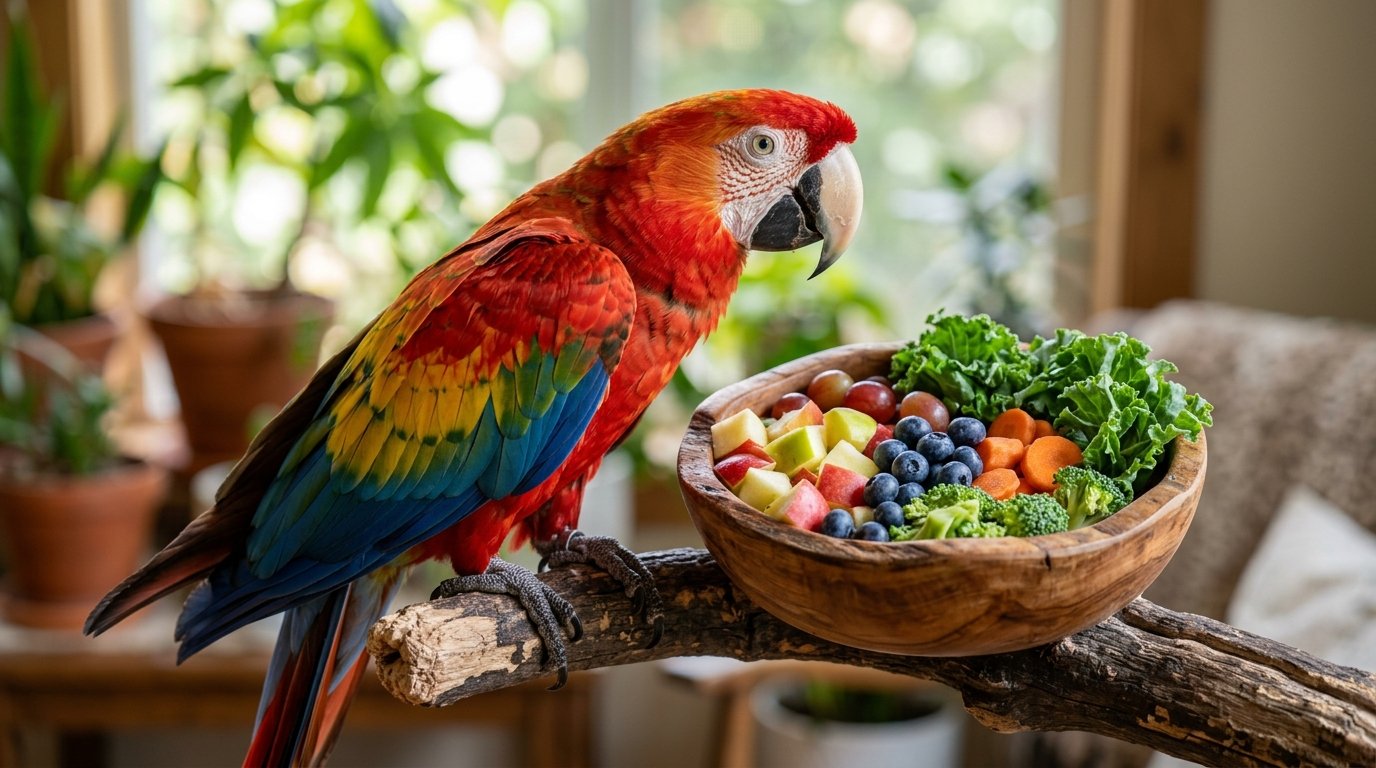
To maintain robust plumage, vibrant feather coloring, and strong bone density, a pet bird’s daily diet should feature a diverse array of fresh whole foods:
- Dark Leafy Greens: Kale, collard greens, dandelion greens, Swiss chard, and spinach provide rich dietary calcium, folate, and vitamin A.
- Orange and Yellow Vegetables: Steamed sweet potatoes, carrots, butternut squash, and pumpkin deliver high levels of beta-carotene, supporting mucous membranes and immune resilience.
- Cruciferous Vegetables: Broccoli florets, cauliflower, and Brussels sprouts contain potent antioxidants and sulfur compounds that support healthy liver function.
- Peppers: Bell peppers, jalapenos, and habaneros. Interestingly, birds lack the TRP-V1 heat-sensing receptor for capsaicin; they can safely enjoy spicy peppers without feeling burning heat.
- Safe Fresh Fruits: Blueberries, blackberries, seedless watermelon, peeled bananas, mango slices, and deseeded apples.
Avian Food Safety Breakdown: Comprehensive Safety Reference Table
The following veterinary reference table provides immediate clarity regarding which kitchen foods are beneficial, which require careful preparation, and which are strictly prohibited:
| Food Item | Safety Status | Active Compound / Nutrient | Biological Impact | Caregiver Action |
|---|---|---|---|---|
| Avocado | Fatal Poison | Persin toxin | Myocardial necrosis, fluid around lungs, death within 24h | Never feed; keep birds out of kitchen during preparation |
| Apple (Flesh) | Safe & Healthy | Vitamin C, dietary fiber, potassium | Aids hydration, boosts immune response | Feed regularly; core out every seed completely |
| Apple / Cherry Seeds | Severe Danger | Amygdalin (Cyanide) | Blocks cellular respiration, convulsions, asphyxiation | Discard all seeds and central stone fruit pits |
| Chocolate | Fatal Poison | Theobromine & caffeine | Cardiac arrhythmia, central nervous seizures, mortality | Strictly ban all chocolate from avian contact |
| Sweet Potato | Superfood | Beta-carotene, vitamin A, complex carbs | Strengthens vision, feather sheen, and respiratory lining | Serve cooked or steamed in small bite-sized cubes |
| Hot Peppers | Safe & Loved | Capsaicin, vitamin A, vitamin C | Non-irritating to birds; excellent enrichment treat | Feed whole or sliced, seeds included |
Recommended Reading on Avian and Pet Safety
Frequently Asked Questions (FAQs)
1. Why is avocado completely deadly to pet birds?
Avocados contain a fungicidal toxin called persin found in the skin, pit, leaves, and flesh. In birds, persin causes acute myocardial necrosis, fluid accumulation around the heart and lungs (hydropericardium), respiratory failure, and death often within 12 to 24 hours.
2. Can pet birds safely eat fresh apples?
Yes, the flesh and skin of apples are completely safe and nutritious for pet birds. However, apple seeds MUST be completely removed because they contain amygdalin, a cyanogenic compound that breaks down into deadly cyanide inside a bird’s digestive tract.
3. Are seed-only diets healthy for parrots and cockatiels?
No. All-seed diets are severely deficient in calcium, vitamin A, and amino acids, while being excessively high in fat. Birds fed strictly on seeds frequently develop hepatic lipidosis (fatty liver disease), respiratory infections, and shortened lifespans. Seeds should comprise no more than 10 to 15 percent of their daily intake.
4. Can cooking fumes from non-stick pans hurt pet birds?
Yes. Non-stick cookware coated with polytetrafluoroethylene (PTFE or Teflon) emits odorless toxic fluoropolymer gases when heated above 400 degrees Fahrenheit. Because birds have exceptionally efficient respiratory air sacs, inhaling these fumes causes acute pulmonary hemorrhage and near-instantaneous death.
5. Which fresh vegetables are safest for daily bird feeding?
Dark leafy greens (kale, collard greens, romaine, Swiss chard), steamed sweet potatoes, broccoli florets, bell peppers (including the spicy seeds which birds cannot taste), and sliced carrots are excellent nutrient-dense daily options.
6. What should I do if my bird accidentally ingests chocolate or avocado?
Contact an avian veterinarian or emergency animal poison control immediately. Do not attempt to induce vomiting at home, as birds lack a muscular diaphragm and risk fatal aspiration. Immediate clinical decontamination and supportive oxygen therapy are vital for survival.