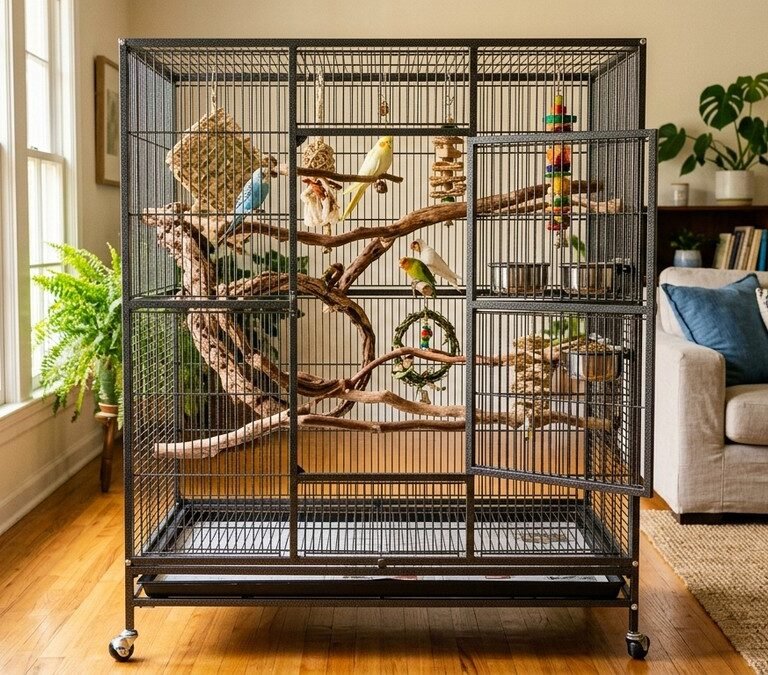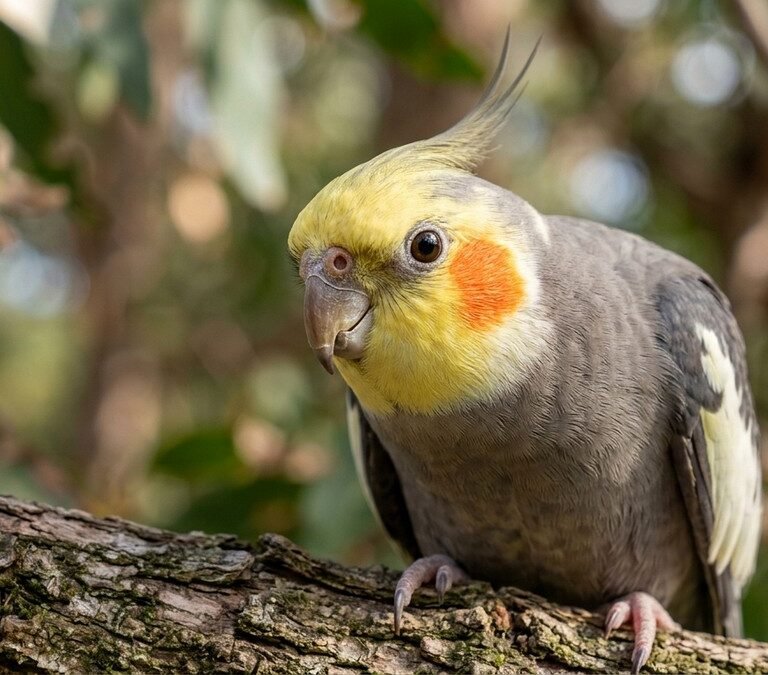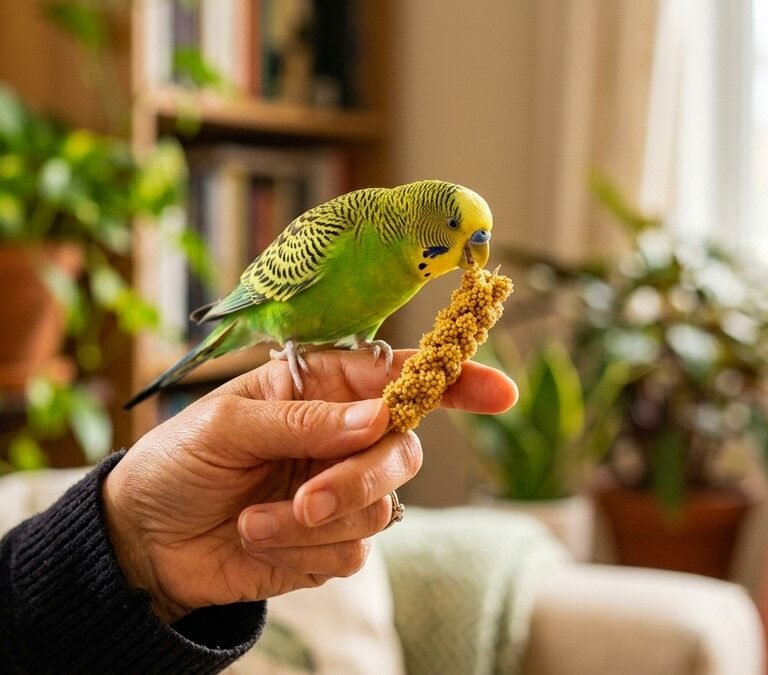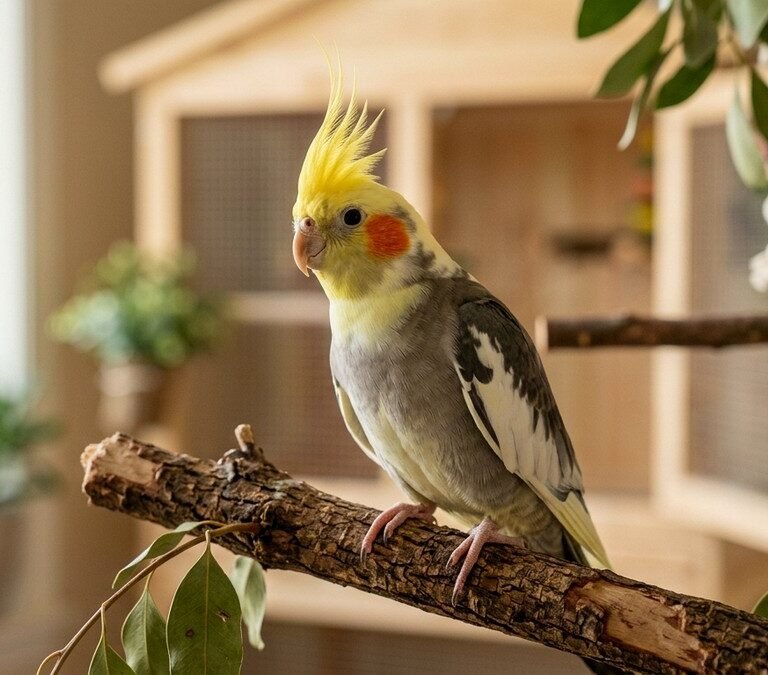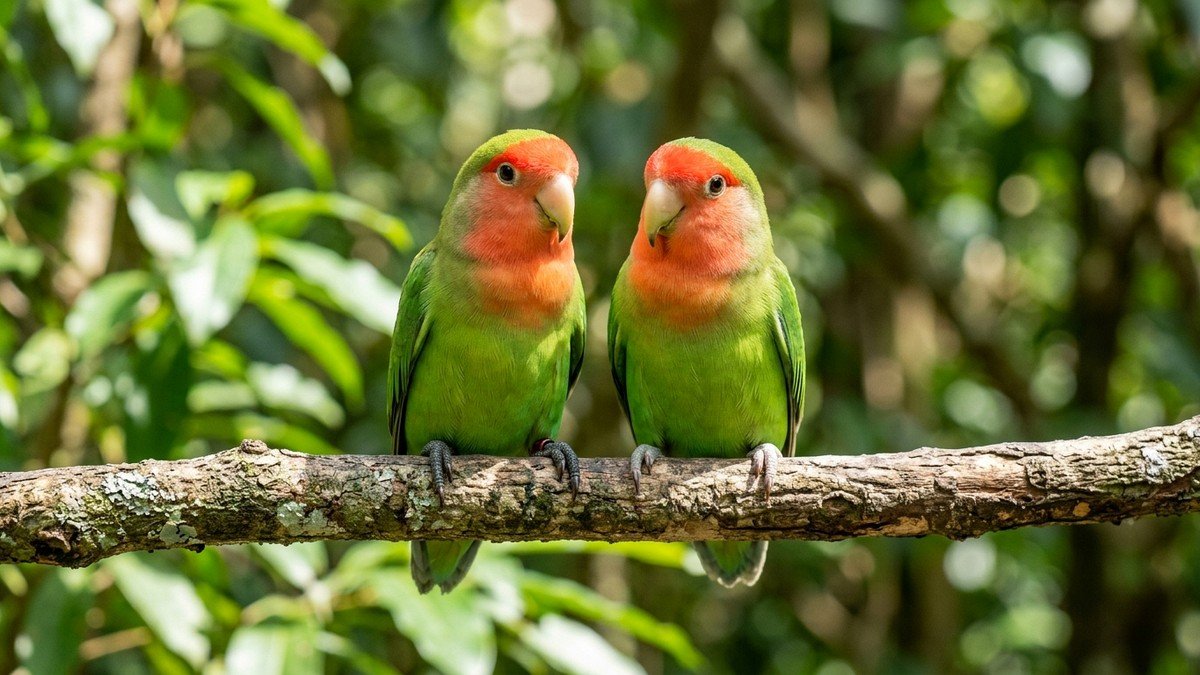
With their vibrant emerald plumage, peach-blushed faces, and famous reputation for lifelong monogamous devotion, lovebirds are among the most popular companion parrots in the world. Yet behind their sweet name lies one of the most tenacious, fearless personalities in the avian kingdom. For new owners, discovering that their miniature lovebird can deliver a blindingly fast, skin-splitting bite that draws blood is a shocking awakening.
Key Avian Behavioral Truth
Lovebirds do not bite out of malice. Biting is a learned operant defense triggered by territorial nest protection, hormonal surges, or fear when handlers inadvertently ignore subtle warning signals.
1. Evolutionary Biology: The Fierce African Dwarf Parrot
To understand the bite of a lovebird (genus Agapornis), one must respect its wild origins in sub-Saharan Africa. In harsh savannah ecosystems, competition for secure nesting cavities inside weaver bird colonies or hollow trees is fierce and deadly. Wild lovebirds must defend their nesting hollows with savage tenacity against rival birds, snakes, and lizards.
Despite weighing only 45 to 60 grams, a lovebird’s hooked upper maxilla and razor-sharp lower mandible are engineered with immense leverage to crack rock-hard acacia seeds and strip tough tree bark. When applied to human skin, that crushing force delivers excruciating puncture wounds.
2. Hormonal Nesting Aggression in Females
While both sexes can bite, female lovebirds (hens) possess significantly higher territorial aggression, especially during the spring breeding season. When a female’s reproductive hormones spike, her biological drive to establish and defend a brood nest becomes overwhelming.
You will observe hens meticulously shredding paper into neat strips and tucking them into their rump feathers to transport as nesting material. If you place your hand inside her cage, near her nest box, or under a cozy tent during this period, she views your fingers as an invading rival and will strike with lightning speed.
3. How Human Reactions Inadvertently Reinforce Biting
The most common mistake owners make when bitten is reacting with high-energy drama: gasping, pulling the hand away violently, shouting Ouch! No!, or storming away from the cage. In avian psychology, this produces two disastrous training outcomes:
- The Drama Reward: Parrots love high-energy drama and loud sounds. Your shouting sounds to the bird like an exhilarating flock celebration, rewarding the bite.
- Successful Avoidance: If you pull your hand away and leave the room, the bird learns that biting is a 100 percent reliable method to make uncomfortable hands disappear.
Lovebird Biting Causes and Behavior Solutions
Identify the catalyst driving your lovebird’s biting habit to implement effective behavioral redirection:
| Bite Catalyst | Observed Bird Posture | Root Motivation | Proven Behavioral Solution |
|---|---|---|---|
| Cage Territoriality | Charges toward door with pinned pupils | Defending private nest perimeter | Open door and let bird step out voluntarily onto perch |
| Hormonal Broodiness | Shreds paper, hides in cardboard or tents | Maternal reproductive surge | Remove dark nest huts, enforce 12h darkness sleep |
| Fear of Forced Handling | Leans away, flaps wings frantically | Prey panic reaction to hands | Never grab; reward voluntary step-up with spray millet |
| Beak Chewing Drive | Chews jewelry, fingernails, earlobes | Tactile exploration and jaw exercise | Provide balsa wood blocks, yucca slices, palm shredders |
Helpful Related Guides for Bird Owners
Learn how to build unbreakable trust with companion birds in our detailed guides on how to tame a parakeet step by step and why do cockatiels hiss.
5. Psittacine Hormonal Surges and Nesting Aggression
Lovebirds (genus Agapornis) are famous for their passionate, fiery personalities. When sexual maturity hits between eight and twelve months of age, circulating reproductive hormones can turn a docile hand-fed baby into an aggressive biter:
- Paper Shredding and Nest Tucking: Female lovebirds possess an extraordinary instinctive behavior: they chew paper, cardboard, and palm leaves into neat strips and tuck them into their rump feathers to fly back to their nesting cavity. Interrupting a lovebird during nesting material collection triggers instantaneous, defensive biting.
- Dark Enclosed Hideaways: Fabric snuggle huts, coconut shells, and cardboard boxes stimulate ovarian follicle development and territorial nest defense. Remove all dark enclosed hideaways from the cage immediately.
- Inappropriate Physical Petting: Petting a lovebird down their back, under their wings, or around their vent mimics avian mating courtship. Only stroke your bird on the top of their head and around the cheeks to maintain a healthy non-reproductive relationship.
6. Single-Owner Fixation and Mate Guarding
In the wild, lovebirds form lifelong monogamous pair bonds, staying attached to a single partner through years of breeding. In single-bird households, a lovebird frequently designates one human family member as their chosen romantic mate:
While the lovebird is intensely cuddly with their chosen human, they view spouses, children, and visitors as rival suitors or threats to the pair bond. When someone approaches, the bird lunges aggressively to defend their territory. To neutralize mate-guarding, ensure all household members take turns feeding morning meals, offering spray millet, and participating in gentle target training.
7. Beak-Testing: Exploring vs Aggression
First-time lovebird owners frequently misinterpret normal tactile beak exploration as an aggressive attack:
A parrot’s bill contains thousands of microscopic Herbst corpuscle nerve endings. Before stepping onto an unfamiliar finger or unsteady perch, a lovebird reaches out with their open beak and touches your skin with mild pressure to test the stability of the platform. If the owner yanks their hand away with a scream, the bird becomes startled and bites hard out of fear. Remaining completely still during exploratory beak-testing teaches the bird that your hand is a stable, safe perch.
8. Channeling Beak Destruction into Foraging Systems
Lovebirds possess extraordinarily strong jaw musculature designed to crush hard seed hulls, peel thick bark, and excavate tree cavities. If you do not provide dedicated constructive destruction outlets, they will satisfy this biological drive on human fingers:
- Daily Shredding Pinatas: Hang clean unprinted brown paper crinkle, soft balsa wood blocks, yucca slices, and palm leaf braids inside the cage. Lovebirds love reducing soft balsa to sawdust.
- Foraging Wrap Bundles: Wrap a sunflower seed or small spray millet cluster inside a clean unbleached coffee filter, twisting the ends tightly. Forcing the bird to chew through multiple paper layers to extract their meal burns physical energy and satisfies the foraging drive.
- Fresh Bird-Safe Branches: Provide fresh pesticide-free branches from apple, willow, or eucalyptus trees. Chewing through fresh natural bark provides essential trace minerals while wearing down beak tips naturally.
Frequently Asked Questions (FAQs)
1. Why do lovebirds have a reputation for biting hard?
Despite their affectionate name, lovebirds are fierce, highly territorial African dwarf parrots with powerful crushing beaks. In the wild, females vigorously defend narrow nesting cavities from rival birds, and captive lovebirds apply this same territorial instinct to cages and handlers.
2. How can I stop my lovebird from biting my fingers?
Never pull your hand away swiftly, yell, or react with drama, as birds perceive human screaming as thrilling positive reinforcement. Instead, maintain stillness, gently rotate your hand downward (the ladder step) to unbalance the bird, and redirect their beak to a wooden chew toy.
3. Do female lovebirds bite more than male lovebirds?
Yes. Female lovebirds exhibit intense maternal nesting drives. When hormones surge during breeding seasons, females actively tuck strips of paper into their rump feathers and will aggressively bite any approaching hand to protect their perceived nesting territory.
4. Can clipping a lovebird’s wings stop biting?
No, clipping wings frequently makes biting worse. When a flighted bird feels threatened, its first defense is flight. If its wings are clipped and it cannot fly away, its only remaining defensive weapon is to bite viciously.
5. How does cage territoriality trigger lovebird bites?
Lovebirds consider their cage an impenetrable private nest. Many lovebirds that bite aggressively when hands enter their cage are completely sweet, affectionate, and gentle once stepped onto a hand outside the cage.
6. What toys help prevent aggressive biting in lovebirds?
Provide plenty of natural destructible foraging toys: balsa wood blocks, yucca slices, woven palm leaf ribbons, and clean cardboard strips that allow lovebirds to satisfy their powerful chewing instincts appropriately.
Why do lovebirds bite hard when you try to put them back into their cage?
This is cage-return frustration. If returning to the cage always means playtime is over, the bird bites to resist. Always place a high-value treat like spray millet or a walnut piece inside the cage so returning is celebrated.
Can you use gloves to handle an aggressive biting lovebird?
No, never use heavy gardening or leather gloves. Thick gloves look like large clawed predators, creating immense fear that intensifies aggressive biting once the gloves are removed.