
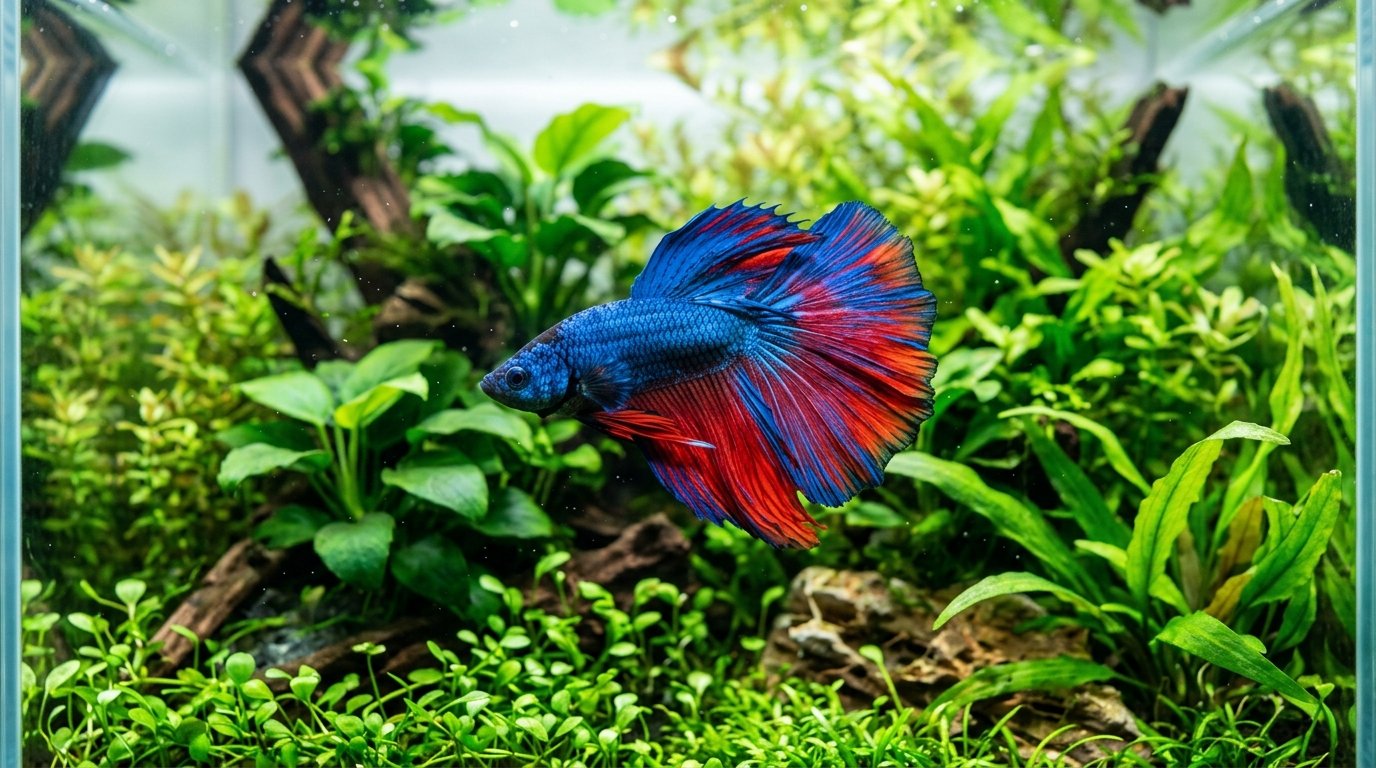
With their iridescent flowing fins, radiant jewel-toned colors, and inquisitive interactive personalities, Betta fish (Betta splendens), commonly known as Siamese fighting fish, are among the most beloved aquatic companions in the world. Tragically, they are also among the most misunderstood creatures in the modern pet trade. For decades, retail stores marketed bettas as decorative desk accessories capable of thriving inside tiny unheated vases, plastic cubicles, or half-gallon decorative bowls.
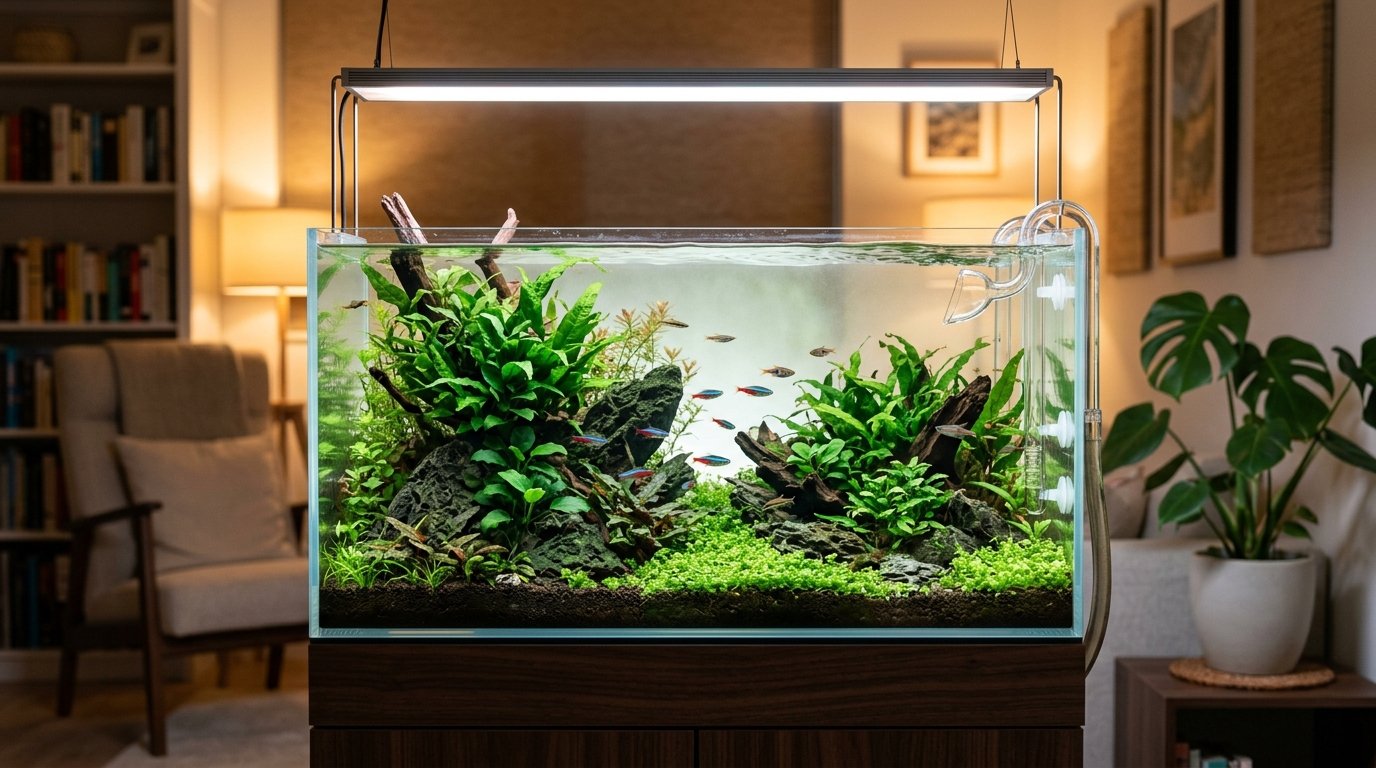
While bettas possess extraordinary anatomical adaptations that permit temporary survival in stagnant puddle waters during dry seasonal droughts in their native Thailand, Cambodia, and Vietnam, mere biological endurance is not thriving. When given an appropriately sized, gently filtered, and comfortably heated aquarium, these miniature aquatic beauties transform from inactive, clamped-fin fish into energetic, curious companions with lifespans extending up to five years.
Aquarium Biological Rule: The absolute minimum recommended aquarium volume for a solitary betta fish is 5 gallons (19 liters). A 5-gallon tank allows stable temperature regulation, houses beneficial nitrifying biological filtration, and dilutes toxic ammonia between weekly maintenance cycles.
The Bowl Myth vs. Biological Reality: The Labyrinth Organ
The enduring myth that bettas enjoy living in small volumes of water stems from a misunderstanding of their respiratory biology. Bettas are members of the suborder Anabantoidei, possessing a specialized secondary respiratory structure called the labyrinth organ. Located just above their gills, this vascularized organ functions much like a primitive lung, enabling them to breathe atmospheric oxygen directly from the water’s surface.
In the wild rice paddies, shallow marshes, and slow-moving streams of Southeast Asia, water levels fluctuate dramatically between monsoon seasons. The labyrinth organ was an evolutionary lifesaver during stagnant dry seasons. However, forcing a betta to spend its entire existence in a cramped, unheated bowl leaves it swimming in its own toxic waste (ammonia), causing caustic fin rot, chemical burns to delicate gill lamellae, and permanent lethargy.
Water Temperature and Heating: Keeping Tropical Bettas Thriving
Bettas are strictly tropical fish that require an unfluctuating water temperature between 75°F and 80°F (24°C to 27°C), with 78°F (25.5°C) considered the biological sweet spot. Because fish are ectothermic (cold-blooded), their metabolism, enzymatic digestion, and immune defenses are dictated entirely by external water temperature.
When kept in unheated room-temperature water (which often dips into the 66°F to 72°F range, especially at night), a betta’s metabolic rate crashes. Ingested food fails to digest, rotting inside the intestinal tract and causing fatal swim bladder impaction or dropsy. Investing in a reliable submersible aquarium heater with an internal thermostat is the single most vital purchase for a betta’s survival.
Filtration and the Nitrogen Cycle: Clean Water Without Heavy Currents
All successful fish keeping begins with understanding the aquarium Nitrogen Cycle. Fish waste, uneaten food particles, and decaying plant matter break down into toxic Ammonia ($NH_3$). In an established aquarium, beneficial autotrophic bacteria (such as Nitrosomonas) convert toxic ammonia into toxic Nitrite ($NO_2^-$), which is subsequently converted by Nitrospira bacteria into relatively harmless Nitrate ($NO_3^-$). Nitrate is then safely removed through regular weekly 25% water changes using a gravel siphon.
However, male bettas with elaborate finnage (such as Halfmoons, Crowntails, and Rosetails) are weak swimmers burdened by heavy fin drag. Powerful hang-on-back power filters create whirlpool currents that buffet bettas across the tank, tearing delicate tail webbing. The ideal filtration system for a betta tank is an air-driven sponge filter or a low-flow internal filter with an adjustable baffle, delivering maximum biological surface area with minimal water turbulence.
Dietary Nutrition: Feeding an Obligate Carnivore
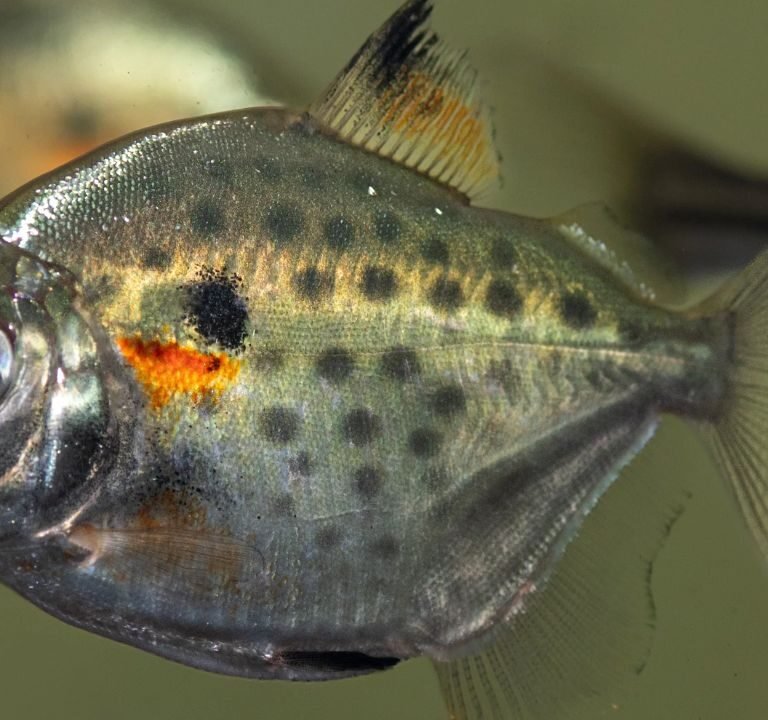
Unlike omnivorous community species like goldfish or Silver Dollar fish, bettas are specialized insectivorous carnivores. In nature, their diet consists primarily of mosquito larvae, water fleas, small insects, and tiny worms that fall onto the water’s surface.
- Premium Floating Pellets: Select high-grade pellets formulated specifically for bettas where crude whole protein (such as whole krill, black soldier fly larvae, or whole herring) occupies the first two ingredients, avoiding cheap wheat-flour fillers.
- Frozen & Freeze-Dried Treats: Thawed frozen bloodworms, brine shrimp, and daphnia provide essential moisture, fatty acids, and natural roughage. Freeze-dried treats should always be soaked in tank water for 5 minutes prior to feeding to prevent internal expansion.
- Portion Control and Fasting: A betta’s stomach is approximately the size of its eyeball. Offer only 2 to 4 small pellets per feeding once or twice daily. Implement a weekly “fasting day” (one day without feeding) to allow their gastrointestinal tract to completely digest and clear out, virtually eliminating swim bladder disease.
Aquarium Parameters: Ideal Water Chemistry and Environmental Specifications
Maintain the following water chemistry parameters to ensure your betta enjoys vibrant coloration, active behavior, and robust immunity:
| Parameter | Target Range | Critical Hazard Limit | Biological Importance |
|---|---|---|---|
| Tank Volume | 5 to 10 Gallons (19 to 38 L) | Under 2.5 Gallons | Dilutes waste products and provides essential swimming space |
| Water Temperature | 75°F to 80°F (24°C to 27°C) | Below 72°F or Above 83°F | Maintains metabolic enzyme activity and immune defense against Ich |
| Ammonia ($NH_3$) | 0.0 ppm | > 0.25 ppm | Highly neurotoxic; burns gills and causes suffocation |
| Nitrite ($NO_2^-$) | 0.0 ppm | > 0.25 ppm | Binds to blood hemoglobin, preventing vital oxygen transport |
| Nitrate ($NO_3^-$) | Under 20 ppm | > 40 ppm | Chronic exposure suppresses growth and promotes fin erosion |
| pH Level | 6.5 to 7.5 (Neutral) | < 6.0 or > 8.2 | Prevents osmotic shock and protects external mucosal slime coat |
Recommended Reading on Aquatic Life and Pet Care
Frequently Asked Questions (FAQs)
1. Can betta fish really survive in a small glass bowl without a filter?
No. While bettas possess a labyrinth organ that allows them to take sips of atmospheric oxygen from the water surface, keeping them in unfiltered, unheated bowls causes chronic ammonia toxicity, fin rot, lethargy, and severe organ damage. A heated, filtered aquarium of at least 5 gallons is the biological minimum for a healthy betta.
2. What is the ideal water temperature for a betta fish?
Betta fish are tropical freshwater fish native to Southeast Asia and require a steady water temperature between 75°F and 80°F (24°C to 27°C). Water below 74°F severely depresses their metabolism, leads to digestive impaction, and suppresses their immune system.
3. How often and how much should I feed my betta fish?
Feed an adult betta once or twice daily, offering only 2 to 4 high-protein floating pellets or equivalent frozen bloodworms per feeding – an amount they can consume within two minutes. Fasting your betta one day per week helps clear their digestive tract and prevents swim bladder disorder.
4. Can two male betta fish live in the same aquarium?
Never. Male Siamese fighting fish (Betta splendens) are intensely territorial and will fight each other to serious injury or death. Male bettas must always be housed individually in their own separate tanks.
5. What tank mates can safely live with a male betta?
In tanks of 10 gallons or larger with live plants and gentle filtration, calm non-fin-nipping tank mates such as Nerite snails, Mystery snails, Amano shrimp, or small peaceful bottom-dwellers like Pygmy Corydoras can coexist harmoniously with a peaceful betta.
6. How long do betta fish typically live with proper care?
With a 5+ gallon cycled aquarium, consistent tropical heating (78°F), high-quality carnivorous nutrition, and routine 25% weekly water changes, domestic betta fish live on average between 3 to 5 years, with some documented living up to 7 years.
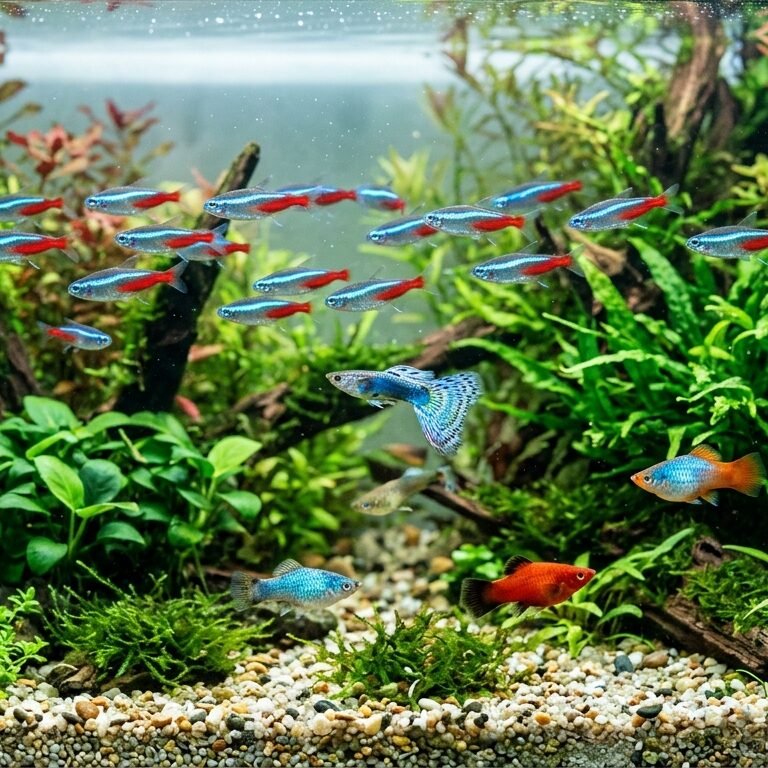
[…] fish for a 15 to 20-gallon community tank, Dwarf Gouramis are an outstanding option. Similar to Betta fish, they possess a labyrinth organ that enables them to breathe surface oxygen. Their calm, deliberate […]