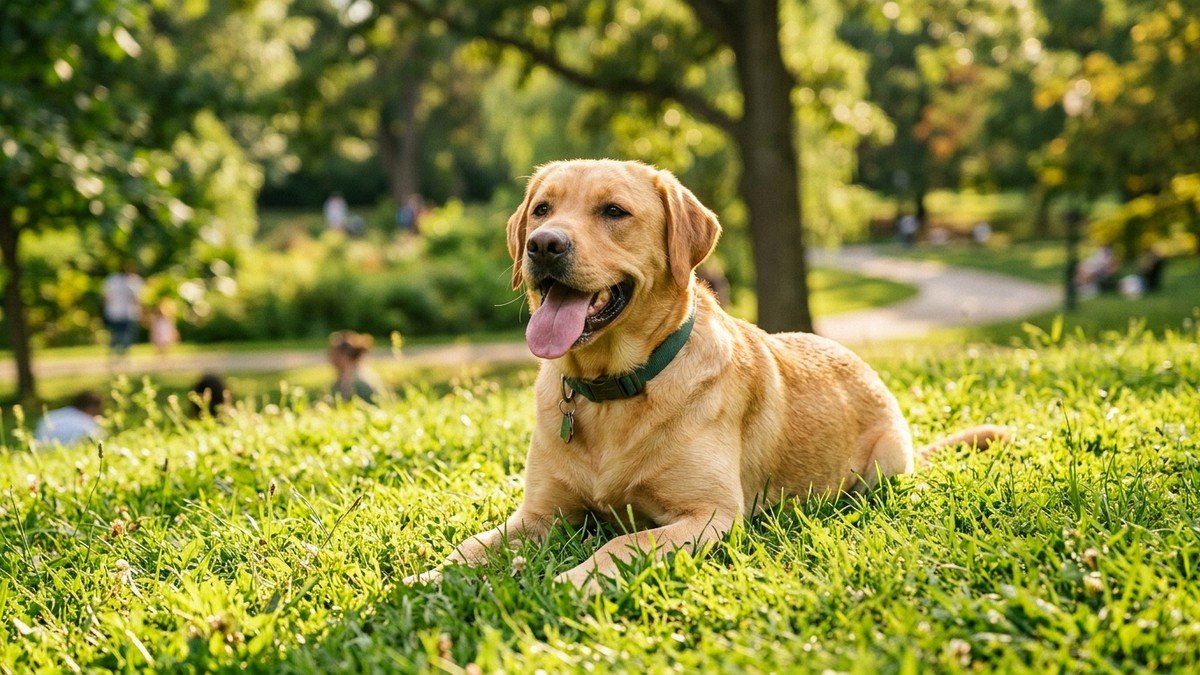
Panting is one of the most recognizable aspects of canine life. After an energetic game of fetch at the dog park or during a warm summer afternoon, watching your dog pant with a wide smile and extended tongue is entirely expected. However, when heavy, labored panting occurs suddenly without exercise, in an air-conditioned room, or in the middle of the night, it transforms from a healthy cooling mechanism into an urgent clinical warning sign.
Crucial Clinical Rule
Normal panting resolves within 10 to 15 minutes of resting in a cool environment. Continuous heavy panting while at rest indicates underlying physiological distress such as pain, pulmonary compromise, cardiovascular disease, or endocrine dysfunction.
1. Normal Canine Thermoregulation vs Heat Exhaustion
Because dogs cannot sweat through their skin, panting is their primary biological mechanism to prevent overheating. When a dog pants, rapid shallow breaths move air across the moist surfaces of the tongue, mouth, and upper respiratory tract, evaporating moisture and cooling blood vessels that circulate to the brain.
However, on humid days or during intense heat exposure, evaporative cooling fails. When body temperature rises above 103 degrees Fahrenheit, heat exhaustion begins. If it exceeds 104 degrees Fahrenheit, cellular proteins begin denaturing, triggering heatstroke, brain swelling, and systemic organ failure. Immediate active cooling with cool (never ice-cold) water is mandatory.
2. Acute Pain and Internal Discomfort
Dogs are instinctively stoic creatures that often mask severe pain. Rather than vocalizing or crying out, canines frequently exhibit pain through sudden, heavy, shallow panting. Pain activates the sympathetic nervous system, driving up heart rate and releasing surges of adrenaline and cortisol.
Common pain sources that provoke resting panting include pancreatitis, spinal disc herniation (IVDD), ruptured cruciate ligaments, severe arthritis, and gastric dilation volvulus (bloat). If your dog paces restlessly, refuses to lie down, or guards its stomach while panting, treat it as a medical emergency.
3. Cardiovascular and Pulmonary Disorders
In senior dogs, sudden onset resting panting frequently signals cardiovascular compromise. When conditions like mitral valve disease or dilated cardiomyopathy progress to congestive heart failure (CHF), backward fluid pressure causes pulmonary edema (fluid in the lungs).
Deprived of adequate oxygen exchange, the dog pants frantically to compensate. This is often accompanied by a soft, hacking cough that worsens when resting and blue or grey-tinged gums indicating cyanosis.
Diagnostic Triage of Heavy Panting in Dogs
Use this clinical guide to evaluate the severity of your dog’s panting and the necessary course of action:
| Symptom Context | Accompanying Signs | Probable Cause | Urgency Level |
|---|---|---|---|
| Post-Exercise in Heat | Thick drool, brick-red gums, staggering | Heatstroke / hyperthermia | Critical Emergency: Cool immediately & visit vet |
| Resting at Night | Whining, arched back, unable to get comfortable | Acute physical or abdominal pain | Emergency: Requires immediate clinical assessment |
| During Thunderstorms | Pacing, trembling, hiding in tight spaces | Noise phobia and panic anxiety | Moderate: Behavioral support & calming aids |
| Chronic Daytime Panting | Excessive thirst, pot-bellied look, hair loss | Cushing’s Disease (hyperadrenocorticism) | Veterinary appointment for blood hormone panel |
| Post-Walk with Cough | Exercise intolerance, pale gums, wheezing | Congestive heart disease / tracheal collapse | Urgent: Chest X-rays and echocardiogram |
4. Endocrine Disorders (Cushing’s Disease)
Hyperadrenocorticism, commonly known as Cushing’s disease, occurs when the adrenal glands overproduce cortisol. One of the hallmark early clinical symptoms is persistent heavy panting even in cool temperatures.
Elevated cortisol causes muscle weakness in the respiratory diaphragm, stimulates thirst (polydipsia), and increases urination (polyuria). Dogs often develop a distended pot-bellied appearance and symmetrical hair loss along the flanks. Fortunately, veterinary medication (such as trilostane) stabilizes hormone levels and resolves the panting.
Helpful Related Guides for Dog Owners
Learn more about protecting your canine companion’s wellness by reading our comprehensive guides on how often to bathe your dog and why dogs eat grass.
5. Brachycephalic Airway Syndrome (BOAS) Risks
Flat-faced brachycephalic dog breeds including French Bulldogs, English Bulldogs, Pugs, and Boston Terriers suffer from anatomical respiratory compromises known collectively as Brachycephalic Obstructive Airway Syndrome (BOAS). These physical malformations dramatically reduce panting efficiency:
- Stenotic Nares: Pinched, narrow nostrils restrict air inflow, forcing the dog to breathe almost exclusively through their open mouth.
- Elongated Soft Palate: Excess soft tissue hangs into the back of the throat, partially obstructing the entrance to the larynx and causing loud snoring, snorting, and wheezing.
- Hypoplastic Trachea: Abnormally narrow windpipes require substantially higher negative chest pressure to draw air into the lungs, leading to rapid respiratory muscle fatigue.
For brachycephalic dogs, even moderate outdoor temperatures (75 degrees Fahrenheit) can provoke dangerous respiratory distress. Owners must provide continuous air conditioning, avoid strenuous midday walks, and use chest harnesses rather than neck collars.
6. Canine Heat Stroke Emergency Protocol
If heavy panting is accompanied by thick ropy drool, dark red or brick-colored gums, uncoordinated staggering, or glassy eyes, your dog is experiencing acute heat stroke (body temperature exceeding 104 degrees Fahrenheit). Take immediate action:
- Move to Shade or Air Conditioning: Immediately remove the dog from direct sunlight, asphalt, or hot cars into an air-conditioned room or vehicle.
- Apply Cool (Not Ice-Cold) Water: Pour tepid or cool tap water over the dog’s neck, groin, armpits, and paws. Never submerge a dog in ice water or wrap them in freezing wet towels, as severe peripheral vasoconstriction traps core heat inside vital organs.
- Direct Airflow: Position an electric fan directly in front of the dog to maximize evaporative heat loss.
- Transport to Emergency Veterinary Clinic: Continue cooling during transport. Heat stroke causes systemic inflammatory response syndrome (SIRS), acute kidney failure, and disseminated intravascular coagulation (DIC).
7. Cardiovascular and Respiratory Illness Indicators
Chronic heavy panting during rest or in cool environments frequently points to internal systemic disease:
- Congestive Heart Failure (CHF): When the left side of the heart fails to pump blood efficiently, fluid backs up into lung tissues (pulmonary edema). Dogs pant heavily while sitting upright with elbows pointed outward to maximize chest expansion.
- Cushing’s Disease (Hyperadrenocorticism): Excess circulating cortisol levels produced by adrenal or pituitary tumors cause classic panting, pot-bellied appearance, excessive thirst (polydipsia), and frequent urination.
- Laryngeal Paralysis: Common in older Labrador Retrievers and Golden Retrievers, progressive nerve degeneration prevents vocal cords from opening during inspiration, producing a characteristic harsh, raspy roar (stridor) accompanied by frantic panting.
8. Veterinary Diagnostic Testing and Clinical Benchmarks
When evaluating unexplained heavy panting, veterinarians utilize a structured diagnostic battery:
- Three-View Thoracic Radiographs: Chest X-rays evaluate cardiac silhouette dimensions, detect pulmonary edema, assess bronchial collapse, and identify lung masses.
- Complete Blood Count and Chemistry Panel: Evaluates red blood cell count for severe anemia, screens liver enzymes (ALP/ALT), and evaluates kidney filtration markers (BUN/Creatinine).
- Pulse Oximetry and Blood Gas Analysis: Measures arterial blood oxygen saturation (SpO2), with readings below 94 percent indicating severe respiratory failure requiring supplemental oxygen therapy.
Frequently Asked Questions (FAQs)
1. Why is my dog panting heavily while lying down at night?
Panting while resting in a cool environment is abnormal. It frequently indicates acute physical pain, severe anxiety, abdominal discomfort, congestive heart failure, or endocrine disorders like Cushing’s disease, where excess cortisol stimulates respiration.
2. What are the early warning signs of canine heatstroke?
Heatstroke symptoms include frantic heavy panting, thick sticky saliva, bright brick-red gums, glazed eyes, weakness, vomiting, and a rectal temperature exceeding 104 degrees Fahrenheit. Heatstroke is a life-threatening veterinary emergency.
3. How can I tell if heavy panting is caused by pain?
Pain-induced panting is typically accompanied by restlessness, reluctance to lie down, arched posture, shallow rapid breathing, trembling, dilated pupils, and whining when specific joints or the abdomen are touched.
4. Can canine heart disease cause excessive panting?
Yes. Congestive heart failure impairs cardiac pumping efficiency, leading to fluid accumulation in the lungs (pulmonary edema). Dogs pant heavily, cough, and struggle for oxygen, especially when lying flat on their side.
5. Does Benadryl stop panting caused by anxiety or storms?
Diphenhydramine (Benadryl) has mild sedative properties but does not treat true canine phobias or panic from thunderstorms and fireworks. Veterinary prescribed medications like trazodone or sileo are significantly more effective for severe storm anxiety.
6. When should I take my panting dog to the emergency vet?
Seek emergency veterinary care immediately if the panting is accompanied by blue, purple, or pale gums, collapse, bleeding, extreme lethargy, inability to catch breath, or if you suspect heat exposure.
Why does my dog pant heavily in the middle of the night?
Nighttime panting is frequently triggered by osteoarthritis pain when shifting on hard surfaces, canine cognitive dysfunction (dementia) anxiety, or congestive heart failure when lying flat causes fluid buildup in the lungs.
How can I tell if my dog’s heavy panting is caused by pain?
Pain-related panting is typically fast and shallow, accompanied by dilated pupils, a tense arched back, reluctance to lie down, muscle tremors, and avoidance of physical touch.