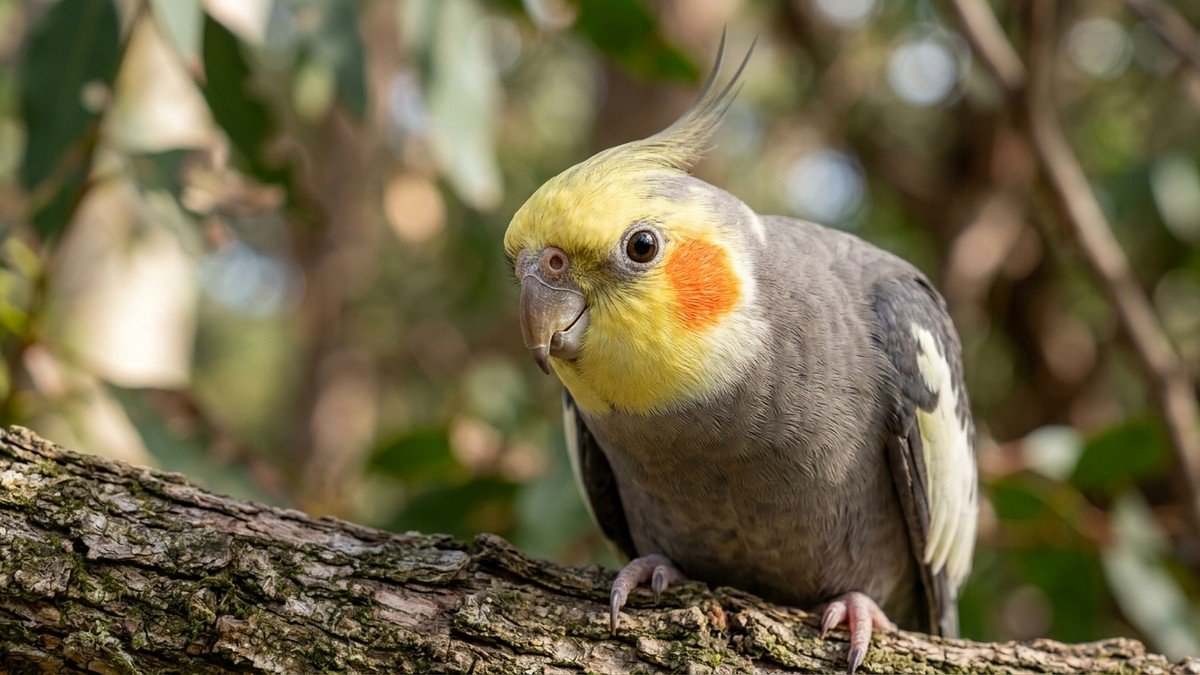
Hearing your pet bird produce a soft, delicate sneeze while preening its wing feathers is often met with amusement. After all, companion parrots and cockatiels frequently sneeze to clear microscopic dander from their nasal passages. However, when sneezing becomes repetitive, frequent, or produces noticeable moisture and nasal crusting, it transitions from a routine physical reflex into a major indicator of avian respiratory distress.
Key Avian Principle
The avian respiratory system is the most efficient, and therefore the most vulnerable, in the animal kingdom. Because air sacs extend into bones, upper respiratory sinus infections can rapidly spread throughout the entire body cavity.
1. Normal Dry Sneezes vs Pathological Wet Sneezes
The first step in diagnosing your bird’s symptoms is distinguishing between dry and wet sneezing:
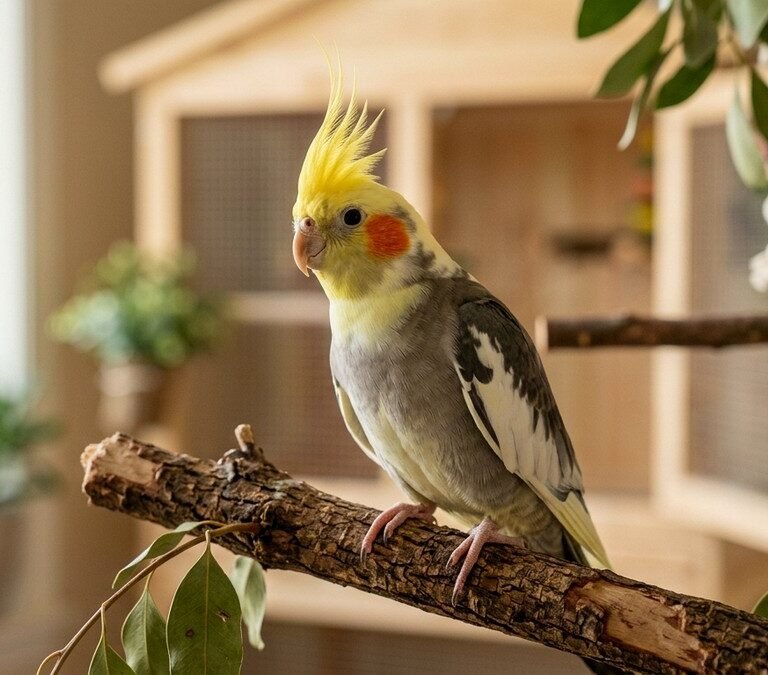
- Dry Sneezes (Normal): Cockatoos, cockatiels, and African greys produce substantial quantities of powder down (keratin dust) that waterproofs plumage. When preening, fine powder enters the nostrils (nares). The bird emits one or two dry, crisp sneezes to expel the powder, leaving the nares completely clean.
- Wet Sneezes (Abnormal): The sneeze expels droplets of fluid or thick mucus. The feathers directly above the cere become discolored, matted, or crusty, and the bird may shake its head vigorously to fling mucus from its nostrils.
2. Environmental Irritants and Airborne Toxins
Birds process air through nine pneumatic air sacs in a continuous unidirectional loop. Because they do not have a diaphragm, their respiratory tissue absorbs airborne molecules with extreme efficiency. Common household products that trigger severe respiratory irritation and sneezing include:
- Scented Candles and Wax Melts: Essential oils and synthetic fragrances release volatile organic compounds (VOCs) that irritate delicate sinus linings.
- Aerosol Sprays and Cleaning Chemicals: Bleach, ammonia, room deodorizers, and hairsprays cause chemical burns on avian membranes.
- Low Humidity and Dust: Winter heating drops indoor humidity below 30 percent, drying out sinus tissues and causing chronic irritation.
3. Nutritional Deficiencies: Hypovitaminosis A
One of the most widespread underlying medical causes of chronic avian sneezing is vitamin A deficiency, commonly seen in birds fed exclusively on all-seed diets. Seeds (like sunflower and millet) are high in fats but devoid of beta-carotene.
Without dietary vitamin A, the delicate epithelial cells lining the sinuses and choanal slit lose their defensive mucous barrier and keratinize into dry, scaly patches. Opportunistic bacteria (such as Pseudomonas and Klebsiella) colonize the damaged tissue, leading to severe bacterial sinusitis. Feeding beta-carotene-rich foods like cooked sweet potatoes, carrots, kale, and red bell peppers prevents this condition.
Bird Sneezing Triage and Symptoms Matrix
Determine the severity of your bird’s sneezing using this clinical assessment table:
| Observed Symptom | Physical Appearance | Underlying Condition | Recommended Action |
|---|---|---|---|
| Occasional Dry Sneeze | Clean nares, bright alert eyes, active preening | Expelling feather dander or seed dust | Normal: Offer warm water misting bath |
| Wet Sneeze with Clear Fluid | Moist nares, occasional head shaking | Environmental allergy, low room humidity | Run cool-mist humidifier (50-60% RH) |
| Crusty Nares & Matted Feathers | Stained cere feathers, blocked nostril hole | Bacterial sinusitis, mycoplasma infection | Veterinary sinus flush and culture swab |
| Sneezing with Tail Bobbing | Labored breathing, open beak, clicking sound | Advanced air sacculitis or fungal aspergillosis | Critical Emergency: Immediate avian hospital care |
Helpful Related Guides for Bird Owners
Learn how to detect critical avian health warnings early by reviewing our guides on signs of a sick bird every owner must know and safe and toxic foods for pet birds.
5. Avian Respiratory Anatomy: The Unidirectional Air Sac System
To understand why bird sneezing can quickly become a medical emergency, you must understand avian respiratory architecture. Birds possess the most complex and efficient respiratory system in the animal kingdom, but this efficiency makes them exceptionally vulnerable to toxins:
- Nine Interconnected Air Sacs: In addition to non-expandable lungs, birds possess nine thin-walled membranous air sacs that extend deep into their abdominal cavity and pneumatic bones.
- Two-Cycle Unidirectional Flow: It takes two full inspiratory and expiratory cycles for a single parcel of air to move completely through an avian respiratory system. Oxygen exchange occurs continuously during both inhalation and exhalation.
- Rapid Systemic Toxin Dispersion: Because air circulates through hollow bones and across expansive capillary beds, airborne aerosol toxins and inhaled fungal spores are absorbed into the bloodstream almost instantaneously.
6. Household Airborne Hazards: The Deadly PTFE Danger
Many cases of acute sneezing and respiratory distress in companion birds stem from hidden domestic chemical hazards:
- PTFE / Teflon Non-Stick Cookware: When non-stick pans, air fryers, waffle irons, or self-cleaning ovens overheat above 400 degrees Fahrenheit, they release colorless, odorless fluoropolymer fumes. Inhaling these fumes causes catastrophic pulmonary edema and acute death within minutes.
- Scented Candles and Wax Warmers: Paraffin wax candles release volatile organic compounds (VOCs) and synthetic fragrance phthalates that severely irritate delicate avian nasal nares, prompting chronic sneezing.
- Aerosol Sprays and Febreze: Room fresheners, hairsprays, spray deodorants, and bleach cleaning sprays coat avian air sac membranes with chemical droplets, triggering secondary bacterial pneumonia.
7. Avian Chlamydiosis and Aspergillosis Clinical Diagnostics
When sneezing is accompanied by ocular discharge or nasal crusting, avian veterinarians run specialized diagnostic panels to identify serious underlying pathogens:
- Psittacosis (Chlamydia psittaci): An intracellular bacterial pathogen that causes severe sinusitis, conjunctivitis, yellow-green biliverdin droppings, and lethargy. It is a zoonotic disease that can infect humans, requiring 45-day oral doxycycline regimens.
- Aspergillosis (Aspergillus fumigatus): An environmental fungal infection that colonizes the syrinx and caudal thoracic air sacs, creating fungal granulomas that cause voice changes, clicking sounds, and labored open-beaked breathing.
- Nasal Choanal Slit Swab and Cytology: Swabbing the choana inside the roof of the bird’s mouth evaluates inflammatory heterophils, eosinophils, and bacterial rod overgrowth under microscopic Gram stains.
8. In-Home Avian Steam and Humidity Therapy
While waiting for your avian veterinary appointment, supportive home humidity provides substantial symptomatic relief for dry nasal passages:
- Bathroom Steam Inhalation: Run a hot shower with the bathroom door closed to build warm steam. Bring your bird into the bathroom inside a travel cage for 15 minutes (kept away from direct hot water spray) to soften nasal crusts and loosen mucus.
- Ultrasonic Cool-Mist Humidifier: Maintain indoor ambient relative humidity between 50 and 60 percent. Always use distilled water in humidifiers and scrub tanks daily to prevent aerosolizing mold spores.
- Warm Spray Baths: Mist your bird lightly with warm pure water using a fine-mist spray bottle two to three times weekly to promote natural nasal clearing.
Frequently Asked Questions (FAQs)
1. Is it normal for a pet bird to sneeze occasionally?
Yes, occasional dry sneezing (1 to 3 times daily) is a normal physiological clearing mechanism. Birds sneeze to expel feather dust, dander, and seed hulls from their nares (nostrils), especially during preening sessions.
2. What is the difference between a dry sneeze and a wet sneeze in birds?
A dry sneeze produces no moisture and sounds like a tiny pfft. A wet sneeze expels droplets of mucus, leaving damp or stained feathers around the nostrils, crusting on the cere, and wet streaks on cage bars, indicating active infection.
3. Can household scented candles or Teflon pans make birds sneeze?
Yes, scented candles, aerosol sprays, incense, and overheated Teflon (PTFE) cookware release airborne toxins that inflame delicate avian air sacs. PTFE fumes are instantly fatal, while artificial fragrances trigger acute respiratory distress and severe sneezing.
4. How does vitamin A deficiency cause sneezing in parrots?
Vitamin A maintains the health of epithelial tissues lining avian respiratory tracts and sinuses. Diets consisting exclusively of dry seeds lack vitamin A, causing the mucous membranes to keratinize, thicken, and become colonized by opportunistic bacteria.
5. Can I give bird cold medicine from the pet store?
Never use over-the-counter water drops labeled for bird colds. These products contain subtherapeutic antibiotic doses that breed drug-resistant bacteria while doing nothing to treat fungal aspergillosis or viral respiratory diseases.
6. When does a sneezing bird need to see an avian vet?
Schedule an immediate veterinary visit if the sneezing is accompanied by wet nasal discharge, swollen eyes, tail bobbing while breathing, loss of appetite, or lethargy.
Can a vitamin deficiency cause chronic bird sneezing?
Yes. Hypovitaminosis A (severe Vitamin A deficiency from an all-seed diet) causes squamous metaplasia of nasal mucous membranes, resulting in keratin plugs, frequent sneezing, and secondary bacterial infections.
Why does my bird sneeze specifically while preening?
Preening dislodges waxy keratin sheaths and powdery down feather dust that drift into the nares. Sneezing during preening is a normal mechanical clearing reflex.