When people think of muzzles, they often picture big, aggressive dogs. But did you know that small dogs also benefit from muzzles? Whether it’s for safety at the vet, preventing nipping during grooming, or avoiding scavenging harmful things on walks, a small dog muzzle can be a valuable tool for responsible pet parents.
Why Do Small Dogs Need Muzzles?
Even though they’re small and cute, little dogs can sometimes be reactive, nervous, or protective. A muzzle can help in situations like:
- Vet Visits – Dogs may bite out of fear.
- Grooming – Clippers and nail trimming can stress dogs.
- Walks – Prevents eating harmful objects from the ground.
- Reactivity – Some small dogs nip when anxious around strangers or other pets.
Remember: A muzzle isn’t a punishment. It’s a safety tool to keep your pup and others safe.
Types of Small Dog Muzzles
Different situations call for different types of muzzles. Here are the most common ones for small breeds:
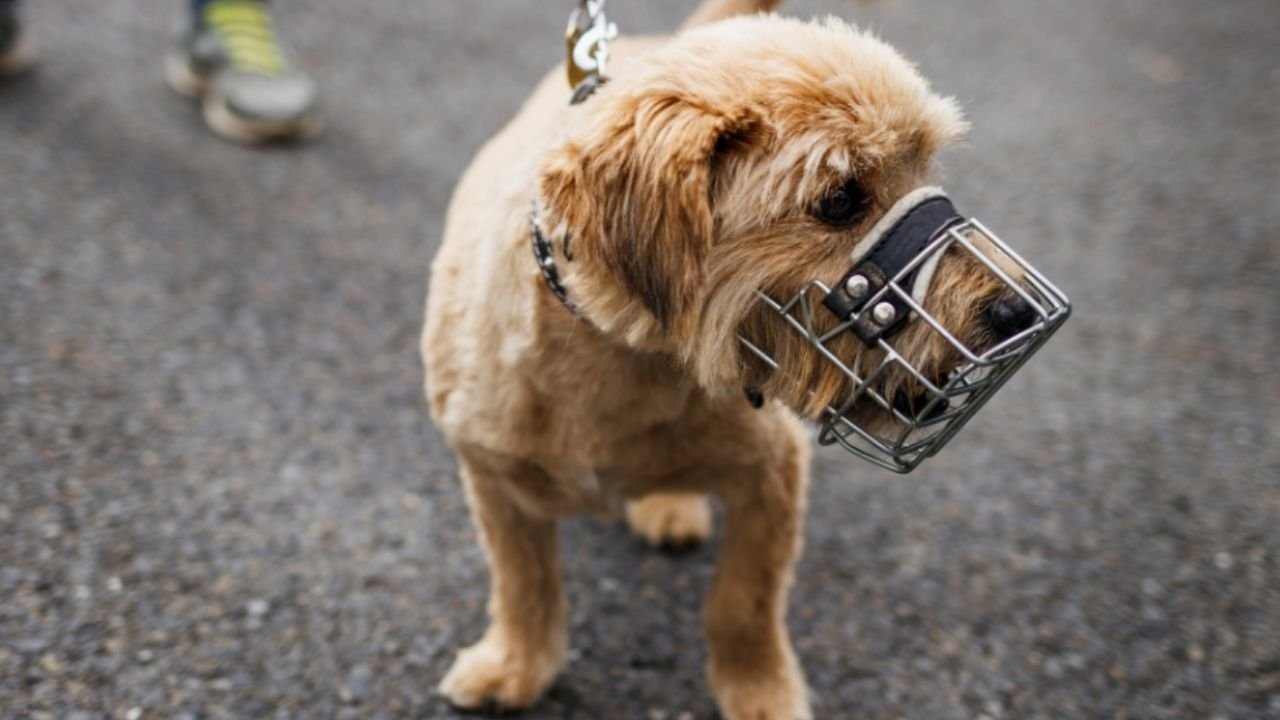
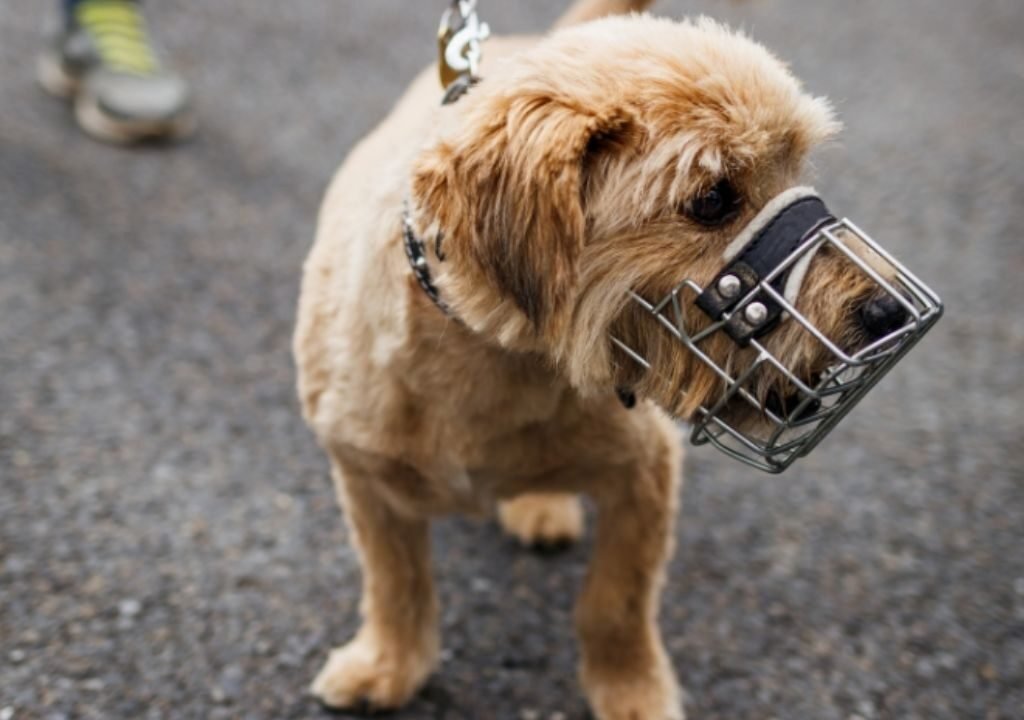
1. Basket Muzzle
- Made of plastic, rubber, or metal.
- Allows your dog to pant, drink water, and take small treats.
- Best for long-term or outdoor use.
2. Soft Nylon/Cloth Muzzle
- Lightweight and easy to carry.
- Restricts panting, so should only be used for short periods.
- Ideal for vet visits or quick grooming sessions.
3. Short-Snout Muzzle (for Pugs, Bulldogs)
- Specially designed for flat-faced breeds.
- Mesh design ensures airflow.
- Prevents nipping but allows comfort.
4. Training Muzzle
- Designed for behavioral training.
- Often adjustable and comfortable.
Looking for other small dog care guides? Check out Small Canine Breeds to discover tiny companions that may also need muzzles.
How to Choose the Right Muzzle for a Small Dog
When picking a muzzle, keep these factors in mind:
- Size & Fit – Measure your dog’s snout length and circumference.
- Material – Choose breathable, lightweight materials.
- Purpose – Vet visit, walking, or training? Pick accordingly.
- Comfort – Ensure padded straps and proper airflow.
For instance, a basket muzzle is great for outdoor walks, while a soft nylon muzzle works better for short vet visits.
Safety Tips for Using a Small Dog Muzzle
- Limit Time – Don’t keep muzzles on for more than 30 to 45 minutes.
- Allow Panting – Choose muzzles that let dogs breathe easily.
- Positive Training – Introduce the muzzle slowly with treats.
- Supervision – Never leave a muzzled dog unattended.
- Not for Bark Control – Muzzles shouldn’t be used as anti-bark devices.
If your dog has food allergies and scavenges outdoors, a muzzle can help. Learn more about safe diets in Best Dog Food for Allergies.
Comparison Table – Small Dog Muzzle Types
| Muzzle Type | Best For | Pros | Cons |
|---|---|---|---|
| Basket Muzzle | Walks, training | Breathable, safe | Bulkier |
| Nylon/Cloth | Vet, grooming | Lightweight, cheap | Restricts panting |
| Short-Snout | Flat-faced breeds | Comfortable, good airflow | Limited sizes |
| Training | Behavior training | Adjustable, versatile | May be costly |
Expert Vet Advice on Muzzles
According to ASPCA, muzzles should be used as a training and safety aid, not as a permanent solution. Training and positive reinforcement are key to managing behavior long-term.
FAQs About Small Dog Muzzles
Final Thoughts
A small dog muzzle isn’t just for aggressive breeds – it’s a useful tool for vet visits, grooming, or preventing dangerous scavenging. Choosing the right muzzle and training your pup to wear it can ensure comfort and safety.
Remember: A muzzle should always be used with positive reinforcement, not punishment. And for long-term solutions, combine it with proper training and a healthy lifestyle.
For more pet care tips and breed guides, visit MyPetVista – your trusted partner in pet parenting .