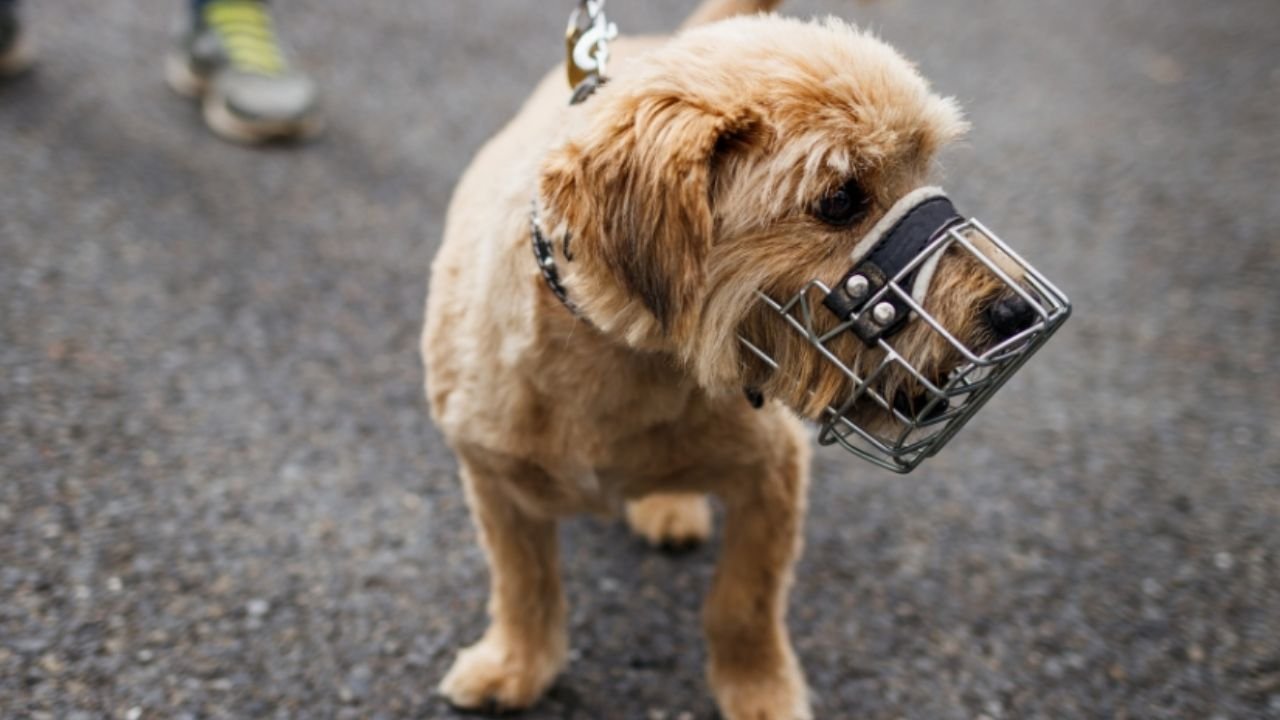
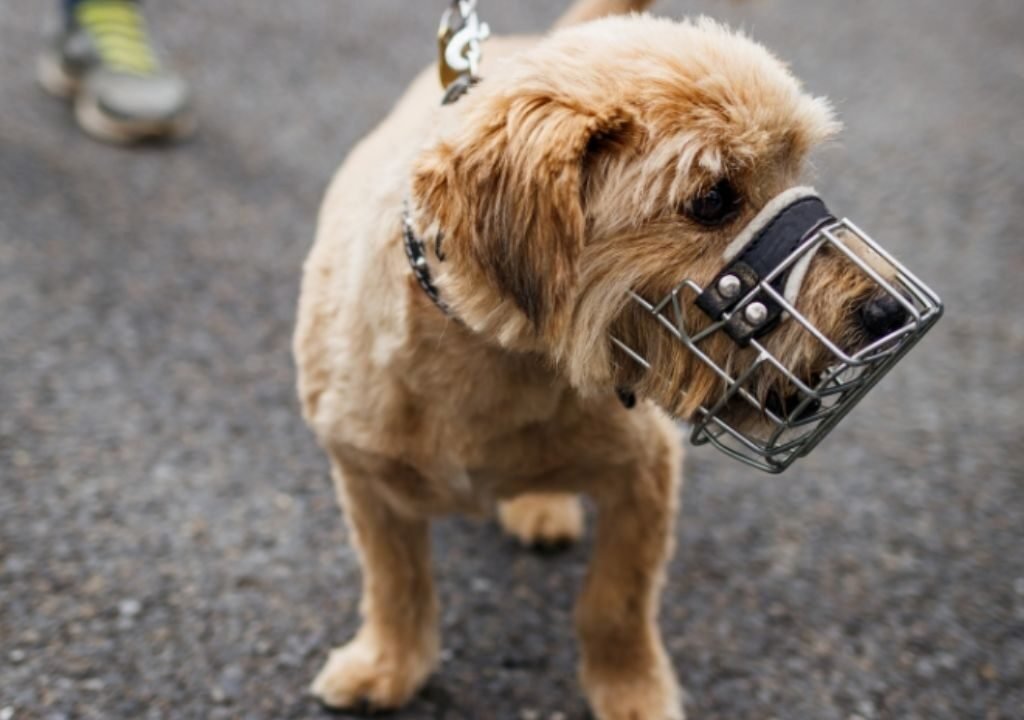
When people think of muzzles, they often picture big, aggressive dogs. But did you know that small dogs also benefit from muzzles? 🤔 Whether it’s for safety at the vet, preventing nipping during grooming, or avoiding scavenging harmful things on walks, a small dog muzzle can be a valuable tool for responsible pet parents.
🐕 Why Do Small Dogs Need Muzzles?
Even though they’re small and cute, little dogs can sometimes be reactive, nervous, or protective. A muzzle can help in situations like:
- 🏥 Vet Visits – Dogs may bite out of fear.
- ✂️ Grooming – Clippers and nail trimming can stress dogs.
- 🚶 Walks – Prevents eating harmful objects from the ground.
- 🐶 Reactivity – Some small dogs nip when anxious around strangers or other pets.
👉 Remember: A muzzle isn’t a punishment. It’s a safety tool to keep your pup and others safe.
🛠️ Types of Small Dog Muzzles
Different situations call for different types of muzzles. Here are the most common ones for small breeds:
1. 🧺 Basket Muzzle
- Made of plastic, rubber, or metal.
- Allows your dog to pant, drink water, and take small treats.
- Best for long-term or outdoor use.
2. 👅 Soft Nylon/Cloth Muzzle
- Lightweight and easy to carry.
- Restricts panting, so should only be used for short periods.
- Ideal for vet visits or quick grooming sessions.
3. 🐶 Short-Snout Muzzle (for Pugs, Bulldogs)
- Specially designed for flat-faced breeds.
- Mesh design ensures airflow.
- Prevents nipping but allows comfort.
4. 🍖 Training Muzzle
- Designed for behavioral training.
- Often adjustable and comfortable.
👉 Looking for other small dog care guides? Check out Small Canine Breeds to discover tiny companions that may also need muzzles.
📏 How to Choose the Right Muzzle for a Small Dog
When picking a muzzle, keep these factors in mind:
- 📐 Size & Fit – Measure your dog’s snout length and circumference.
- 🧵 Material – Choose breathable, lightweight materials.
- 🐾 Purpose – Vet visit, walking, or training? Pick accordingly.
- 🎒 Comfort – Ensure padded straps and proper airflow.
For instance, a basket muzzle is great for outdoor walks, while a soft nylon muzzle works better for short vet visits.
✅ Safety Tips for Using a Small Dog Muzzle
- ⏳ Limit Time – Don’t keep muzzles on for more than 30–45 minutes.
- 💧 Allow Panting – Choose muzzles that let dogs breathe easily.
- 🐾 Positive Training – Introduce the muzzle slowly with treats.
- 👀 Supervision – Never leave a muzzled dog unattended.
- 🚫 Not for Bark Control – Muzzles shouldn’t be used as anti-bark devices.
👉 If your dog has food allergies and scavenges outdoors, a muzzle can help. Learn more about safe diets in Best Dog Food for Allergies.
📊 Comparison Table – Small Dog Muzzle Types
| Muzzle Type | Best For | Pros 👍 | Cons 👎 |
|---|---|---|---|
| Basket Muzzle 🧺 | Walks, training | Breathable, safe | Bulkier |
| Nylon/Cloth 👅 | Vet, grooming | Lightweight, cheap | Restricts panting |
| Short-Snout 🐕 | Flat-faced breeds | Comfortable, good airflow | Limited sizes |
| Training 🍖 | Behavior training | Adjustable, versatile | May be costly |
🧪 Expert Vet Advice on Muzzles
According to ASPCA, muzzles should be used as a training and safety aid, not as a permanent solution. Training and positive reinforcement are key to managing behavior long-term.
❓ FAQs About Small Dog Muzzles
🐾 Final Thoughts
A small dog muzzle isn’t just for aggressive breeds — it’s a useful tool for vet visits, grooming, or preventing dangerous scavenging. Choosing the right muzzle and training your pup to wear it can ensure comfort and safety.
Remember: A muzzle should always be used with positive reinforcement, not punishment. And for long-term solutions, combine it with proper training and a healthy lifestyle.
For more pet care tips and breed guides, visit MyPetVista — your trusted partner in pet parenting 🐶💙.