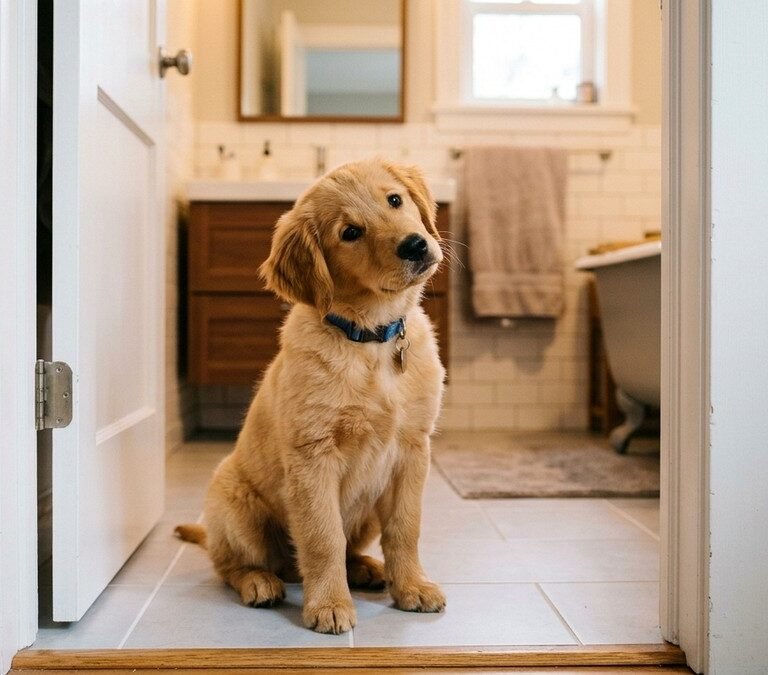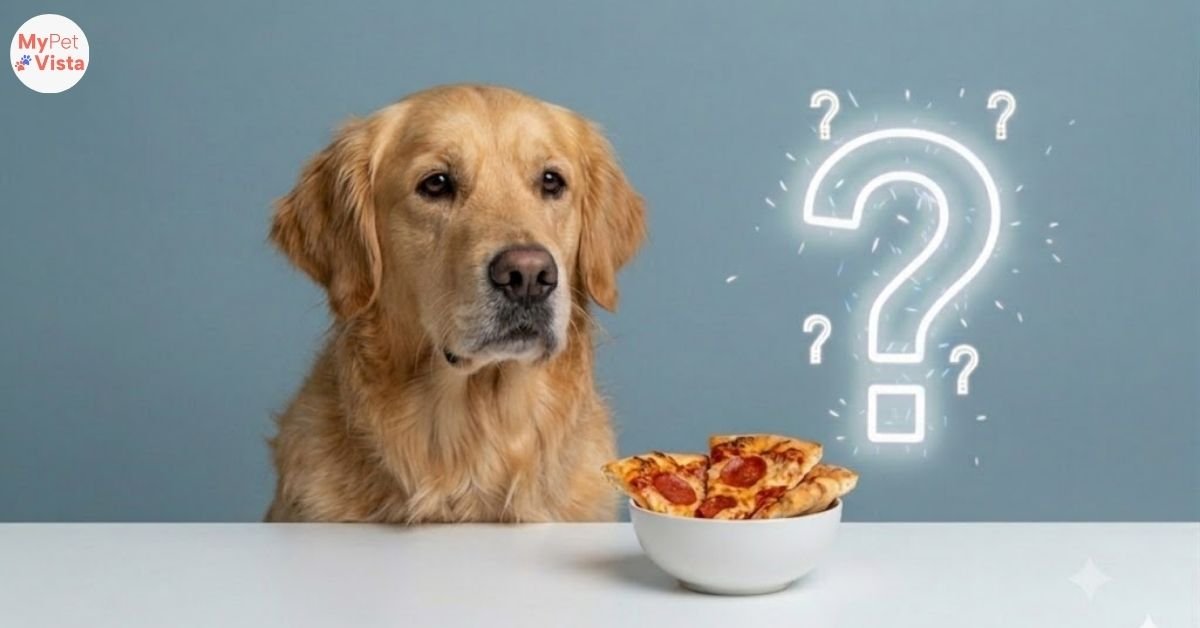
When you’re enjoying a hot, cheesy slice of pizza and your dog is sitting beside you with those irresistible puppy eyes, it’s hard not to share.
But before you hand over a slice, you may wonder: can dogs eat pizza safely?
The short answer is dogs should not eat pizza as a regular food or treat. A tiny accidental bite of plain pizza may not cause a serious problem in a healthy dog, but most pizzas contain ingredients that aren’t suitable for dogs, including excessive salt, fat, cheese, processed meats, garlic, onions, and heavily seasoned sauces.
So, what makes pizza risky for dogs? Can dogs eat pizza crust? What if your dog ate a whole slice? Let’s break it all down.
Is Pizza Safe for Dogs?
Pizza is not recommended for dogs.
The main problem isn’t necessarily the basic flour-based crust. Instead, it’s the combination of ingredients typically found on pizza.
A typical pizza may contain:
- Cheese
- Tomato sauce
- Lots of sodium
- Garlic
- Onion
- Spices
- Processed meats
- Oils and fats
- Refined carbohydrates
Some of these ingredients can cause stomach upset, while others can be dangerous depending on the amount consumed.
For example, garlic and onions should not be intentionally fed to dogs. If you’re curious about garlic specifically, check out Can Dogs Eat Garlic?.
Why Is Pizza Bad for Dogs?
Pizza can be problematic because it’s usually high in fat, salt, and calories.
Dogs have different nutritional needs from humans. What looks like a normal meal for you can provide far more sodium and fat than your dog needs.
Regularly feeding pizza can contribute to:
- Weight gain
- Digestive upset
- Diarrhea
- Excessive thirst
- Pancreatitis risk
- Unbalanced nutrition
And the toppings can introduce additional concerns.
Pizza Is High in Sodium
One of the biggest concerns with pizza is salt.
Cheese, pizza sauce, processed meats, and the crust can all contribute sodium.
Too much sodium may cause:
- Excessive thirst
- Frequent urination
- Vomiting
- Diarrhea
- Weakness
Very large amounts of salt can be dangerous.
This is one reason pizza shouldn’t become a regular snack for your dog.
Garlic on Pizza Can Be Dangerous
Garlic is commonly found in pizza sauce, garlic butter, seasoning blends, and some crusts.
Dogs should not be intentionally fed garlic.
This includes:
- Fresh garlic
- Cooked garlic
- Garlic powder
- Garlic seasoning
Garlic powder can be especially easy to overlook because it may be mixed into sauces or seasoning.
If your dog ate pizza containing garlic, consider how much pizza they consumed and check the ingredient list.
What About Onion on Pizza?
Onions are another important concern.
Pizza toppings may include:
- Fresh onions
- Cooked onions
- Caramelized onions
- Onion powder
Dogs should avoid onions in all these forms.
If you want to know more about this ingredient, read Can Dogs Eat Onions?.
Can Dogs Eat Pizza Sauce?
Pizza sauce isn’t necessarily dangerous because it contains tomatoes, but commercial pizza sauce is usually not suitable for dogs because of its other ingredients.
It may contain:
- Garlic
- Onion
- Salt
- Sugar
- Herbs
- Spices
- Added oils
Plain, ripe tomato flesh can be suitable for dogs in appropriate circumstances, but pizza sauce is a completely different preparation.
You can learn more about tomatoes in Can Dogs Eat Tomatoes?.
Can Dogs Eat the Cheese on Pizza?
A small amount of plain cheese may be tolerated by many dogs, but pizza cheese isn’t an ideal treat.
Pizza often contains a considerable amount of cheese, which can add:
- Fat
- Calories
- Sodium
Some dogs also have difficulty digesting dairy products and may experience gas or diarrhea.
If your dog loves cheese, learn more about appropriate portions in Can Dogs Eat Cheese?.
Can Dogs Eat Pepperoni Pizza?
Pepperoni pizza is an especially poor choice for dogs.
Pepperoni is a processed meat that can contain substantial amounts of:
- Sodium
- Fat
- Spices
- Garlic or onion seasoning
Adding pepperoni to an already salty and fatty pizza makes the meal even less suitable for dogs.
A tiny accidental bite usually isn’t a reason to panic, but don’t intentionally give your dog pepperoni pizza.
For more information, read Can Dogs Eat Pepperoni?.
Can Dogs Eat Pizza Crust?
Plain pizza crust is generally less concerning than pizza covered with toppings, but that doesn’t make it a healthy dog treat.
A small piece of plain, fully baked crust is unlikely to cause serious problems for most healthy dogs.
However, pizza crust can still contain:
- Salt
- Oil
- Butter
- Seasonings
Some crusts are also stuffed with cheese or brushed with garlic butter, which makes them a worse choice.
If you want to give your dog a carbohydrate-based treat, plain cooked foods are generally preferable to seasoned pizza crust.
Can Dogs Eat Garlic Bread With Pizza?
No.
Garlic bread is particularly unsuitable for dogs because it combines bread with garlic, butter, oil, salt, and seasonings.
Even though your dog may love the smell, it’s better to keep garlic bread off the menu.
What If My Dog Eats One Bite of Pizza?
Don’t panic.
If your healthy dog steals a small bite of pizza, serious problems are not guaranteed.
The appropriate response depends on:
- Your dog’s size
- How much pizza was eaten
- Whether garlic or onion was present
- Whether it contained processed meat
- How much cheese and fat it contained
- Your dog’s existing health conditions
For a small accidental bite, simply monitor your dog and provide normal access to fresh water.
What If My Dog Eats a Whole Slice of Pizza?
Eating an entire slice is more concerning than eating one tiny bite.
Your dog may experience:
- Vomiting
- Diarrhea
- Gas
- Abdominal discomfort
- Excessive thirst
- Lethargy
If the pizza contained large amounts of garlic, onion, or another potentially harmful ingredient, contact your veterinarian for advice.
Don’t induce vomiting unless your veterinarian specifically tells you to do so.
What If My Dog Eats an Entire Pizza?
If your dog manages to eat a large quantity of pizza, contact your veterinarian promptly.
A large amount can provide a significant load of fat, salt, and other ingredients.
There’s also a risk of digestive complications, particularly after eating very fatty foods.
Watch for:
- Repeated vomiting
- Severe diarrhea
- Abdominal pain
- Weakness
- Loss of appetite
- Unusual lethargy
- A swollen or painful abdomen
If your dog appears seriously unwell, seek veterinary care rather than waiting for symptoms to disappear.
Can Puppies Eat Pizza?
No, puppies should not be given pizza.
Puppies need carefully balanced nutrition to support their rapidly developing bodies.
Pizza can fill a puppy’s stomach without providing the nutrients required for healthy growth.
The high fat, salt, and seasoning content can also cause digestive problems.
A puppy’s primary diet should be a complete and balanced puppy food appropriate for their age and size.
Can Senior Dogs Eat Pizza?
It’s best to avoid pizza for senior dogs as well.
Older dogs may have individual dietary requirements and may be more sensitive to rich or salty foods.
If your senior dog follows a special diet, stick with veterinarian-approved treats.
Can Dogs Eat Homemade Pizza?
Homemade pizza gives you more control over the ingredients, but that doesn’t automatically make it a good dog food.
If you’re making pizza for the family, don’t assume the dog should get a slice.
You could instead set aside a small amount of dog-safe ingredients before adding salt, garlic, onion, sauce, cheese, or spices.
For example, plain cooked chicken or certain vegetables can be offered separately when appropriate.
What About Meat Pizza?
Meat toppings such as sausage, pepperoni, bacon, and heavily seasoned beef can make pizza even less suitable for dogs.
Processed meats are often high in sodium and fat.
If you want to share meat with your dog, plain cooked meat without seasoning is generally a much better option.
You can also read Can Dogs Eat Pork? to learn about safer ways of serving pork.
Can Dogs Eat Mushroom Pizza?
It depends on the mushrooms, but pizza is still not a good way to feed mushrooms to your dog.
Store-bought edible mushrooms themselves may be safe when properly prepared, but pizza mushrooms can be covered in oil, salt, garlic, cheese, and sauces.
Wild mushrooms are a separate and much more serious concern because some varieties can be poisonous.
Learn more in Can Dogs Eat Mushrooms?.
Can Dogs Eat Spicy Pizza?
It’s best to avoid spicy pizza completely.
Spicy toppings and sauces may contain chili peppers, hot sauce, garlic, onions, and other seasonings.
These ingredients can irritate your dog’s mouth and digestive system.
Dogs don’t need spicy food to enjoy their meals.
Can Dogs Eat Pizza Dough?
Raw pizza dough is dangerous and should never be given to dogs.
Raw yeast dough can continue to rise inside a dog’s stomach.
This can cause painful bloating and other serious complications.
Fermentation can also produce alcohol, which can be harmful.
If your dog eats raw yeast dough, contact your veterinarian promptly rather than waiting for symptoms.
Cooked pizza crust is a different situation, but it still isn’t an ideal regular treat.
Better Treats Than Pizza for Dogs
If your dog wants a snack while you’re eating, there are plenty of better choices.
Depending on your dog’s individual diet, you can offer small amounts of:
- Plain carrots
- Cucumber
- Green beans
- Apple flesh without seeds or core
- Blueberries
- Banana
- Plain cooked sweet potato
For example, Can Dogs Eat Sweet Potatoes? explains how this food can be prepared as an occasional treat.
Is Plain Rice Better Than Pizza?
If you’re looking for a simple carbohydrate-based food, plain cooked rice is generally a much simpler choice than pizza.
Rice should still be given in appropriate amounts and shouldn’t replace a complete and balanced dog diet.
You can learn more about it in Can Dogs Eat Rice?.
How to Keep Your Dog Away From Pizza
Dogs are experts at finding food they shouldn’t have.
A few simple habits can help:
Keep pizza off low tables
Dogs can easily grab an unattended slice.
Secure the pizza box
Don’t leave leftovers within reach.
Tell children not to share
Kids may not realize that pizza isn’t a healthy dog treat.
Keep dog-safe treats nearby
Having an appropriate snack available makes it easier to resist those begging eyes.
Final Verdict: Can Dogs Eat Pizza?
So, can dogs eat pizza?
It’s best not to give pizza to dogs.
A tiny accidental bite of plain pizza may not cause serious problems in a healthy dog, but pizza usually contains too much salt, fat, cheese, and seasoning to be considered a good pet food.
The biggest concerns are ingredients such as garlic, onions, processed meats, excessive sodium, and rich toppings.
Remember:
Don’t intentionally feed pizza to your dog
Avoid pepperoni and other processed meat toppings
Avoid pizza containing garlic or onions
Avoid heavily salted and spicy pizza
Never give raw yeast pizza dough
Monitor your dog after accidental ingestion
Contact your veterinarian after a large amount or concerning symptoms
Choose plain, dog-safe foods instead
Your dog may desperately want that slice of pizza, but a healthier treat will keep those puppy eyes – and their tummy – much happier.
FAQs About Dogs and Pizza
Keep Learning With MyPetVista
Want to learn more about safe foods, dog nutrition, and everyday pet care? Visit MyPetVista for practical guides that help you keep your furry friend happy, healthy, and safe.