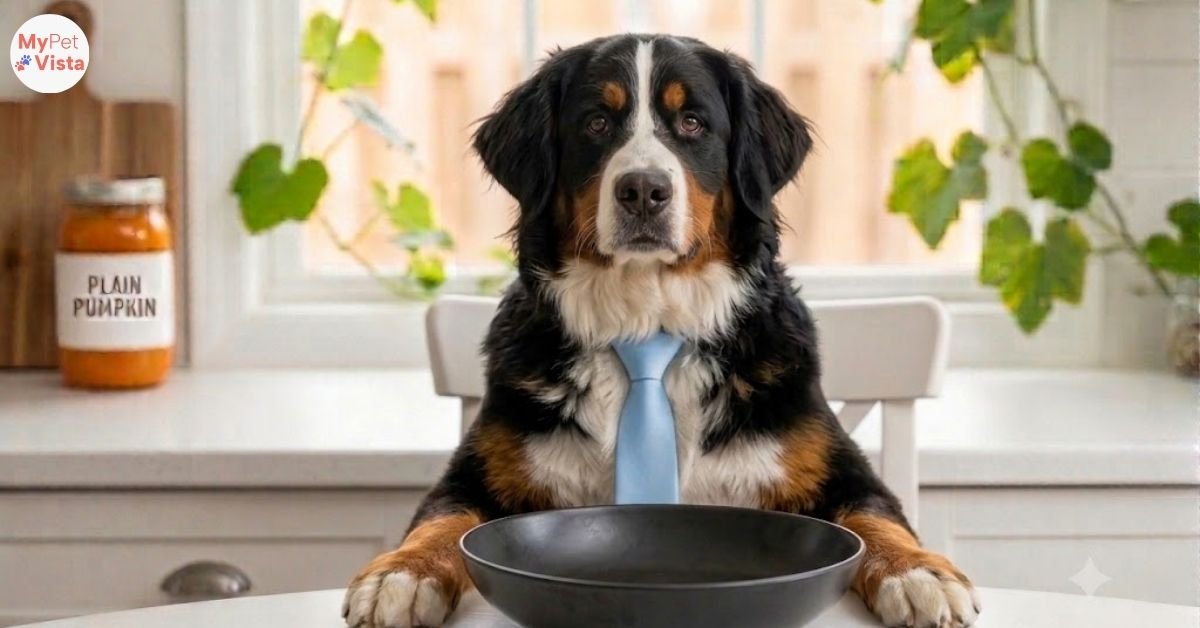
When a dog suddenly refuses food, it can be worrying. A healthy adult dog may occasionally skip a meal without it being an emergency, but how long can a dog go without eating before it becomes dangerous?
In general, an otherwise healthy adult dog may survive for several days without food if they continue drinking water, but that does not mean it’s safe to intentionally let a dog go without eating. The reason behind the appetite loss matters much more than the exact number of hours.
A dog that refuses food for a day may simply have a temporary upset stomach, stress, or a change in routine. On the other hand, refusing food can sometimes be an early sign of illness.
Here’s what dog parents should know about appetite loss, when to contact a veterinarian, and how the situation differs for puppies, senior dogs, and dogs with existing health problems.
How Long Can a Dog Go Without Eating?
There’s no single number that applies to every dog.
A healthy adult dog that has access to fresh water may sometimes go 24 hours without eating without developing an immediate crisis. Some dogs may survive longer, but prolonged fasting can lead to dehydration, weakness, nutritional deficiencies, and worsening of an underlying illness.
The important point is:
Survival time is not the same as safe time.
You shouldn’t wait several days simply because a dog may physically survive that long.
If your dog normally eats well and suddenly refuses food, pay attention to how long the appetite loss lasts and whether other symptoms are present.
A simple guide
| Time Without Food | What to Do |
|---|---|
| A few hours | Monitor if your dog otherwise seems normal |
| Around 24 hours | Contact your veterinarian for advice, especially if appetite hasn’t returned |
| More than 24 to 48 hours | Veterinary evaluation becomes increasingly important |
| Any time with severe symptoms | Seek veterinary care promptly |
These timeframes are general guidance, not a substitute for veterinary assessment.
Water Is More Urgent Than Food
When a dog isn’t eating, hydration becomes especially important.
A dog can generally tolerate a short period without food better than a prolonged period without water.
If your dog isn’t eating but is drinking normally and acting normally, you can monitor them closely for a short period.
However, if your dog is refusing both food and water, the situation is more concerning.
Watch for signs of dehydration such as:
- Dry or sticky gums
- Weakness
- Excessive tiredness
- Sunken-looking eyes
- Reduced urination
- Loss of normal energy
If your dog cannot keep water down because of repeated vomiting, contact a veterinarian promptly.
Why Is My Dog Not Eating?
There are many possible reasons a dog may suddenly lose interest in food.
Some are relatively minor, while others require medical attention.
1. Upset Stomach
Dogs can lose their appetite after eating something unusual.
They may also have temporary nausea, gas, or mild digestive discomfort.
If appetite loss occurs together with repeated vomiting or diarrhea, don’t assume it’s simply a minor stomach issue.
2. Dental Problems
Pain in the mouth can make eating uncomfortable.
A dog may approach their food bowl but hesitate to eat, chew strangely, drop food, or prefer softer food.
Dental disease can also cause bad breath and other noticeable changes.
3. Stress or Anxiety
Changes in the household can affect appetite.
Moving, traveling, boarding, fireworks, visitors, separation, or introducing another pet may cause some dogs to eat less temporarily.
4. Medication
Certain medications can cause nausea or appetite changes.
If your dog stopped eating after starting a medication, contact your veterinarian rather than stopping prescribed medication on your own.
5. Illness
Loss of appetite can occur with many health conditions, including infections, gastrointestinal problems, pain, kidney disease, liver disease, and other illnesses.
That’s why persistent appetite loss deserves attention.
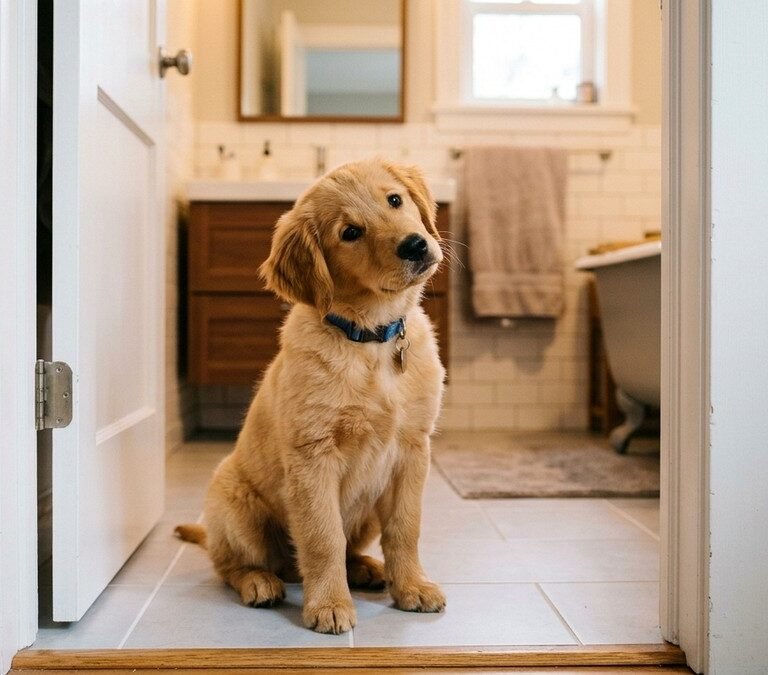
How Long Can a Puppy Go Without Eating?
Puppies should not be treated like adult dogs when it comes to missed meals.
Young puppies have smaller bodies and higher energy requirements. Very young or small puppies can be particularly vulnerable to low blood sugar when they aren’t eating.
If a puppy suddenly refuses food, contact your veterinarian promptly rather than waiting several days.
This is especially important if the puppy also has:
- Vomiting
- Diarrhea
- Weakness
- Trembling
- Extreme sleepiness
- Difficulty standing
- Refusal to drink
Puppies can become seriously ill more quickly than healthy adult dogs.
How Long Can an Older Dog Go Without Eating?
Senior dogs also deserve extra attention when their appetite changes.
An older dog may occasionally skip a meal, but a noticeable or persistent change in eating habits can be associated with dental problems, pain, digestive issues, or other age-related health conditions.
If a senior dog suddenly stops eating, speak with your veterinarian, particularly if the change continues beyond a normal meal or is accompanied by other symptoms.
When Is Loss of Appetite an Emergency?
Not every missed meal is an emergency.
However, loss of appetite combined with other symptoms can require immediate veterinary attention.
Contact a veterinarian promptly if your dog refuses food and also has:
- Repeated vomiting
- Severe or persistent diarrhea
- Blood in vomit or stool
- Difficulty breathing
- A swollen or painful abdomen
- Collapse
- Extreme weakness
- Severe lethargy
- Pale gums
- Signs of significant pain
- Suspected poisoning
- Suspected foreign-body ingestion
For example, a dog that refuses food after swallowing a toy, sock, bone, or other object may have a gastrointestinal obstruction.
That’s a situation where waiting to see if the dog becomes hungry again can be risky.
Should You Try to Force Your Dog to Eat?
Generally, don’t force-feed your dog unless a veterinarian has specifically instructed you to do so.
Trying to push food into a dog’s mouth can increase stress and may create a risk of choking or aspiration.
Instead, focus on identifying why the dog isn’t eating.
You can offer their normal food and ensure fresh water is available.
If your veterinarian recommends a temporary bland or special diet, follow their instructions rather than experimenting with multiple foods.
What Can I Give a Dog That Won’t Eat?
If your dog is otherwise healthy, alert, drinking water, and has no concerning symptoms, you can try making their normal meal more appealing.
Depending on your veterinarian’s advice, options may include:
- Slightly warming their usual food
- Adding a small amount of warm water
- Offering their normal wet food
- Feeding in a quiet environment
- Keeping the feeding routine consistent
Avoid constantly changing foods or giving large amounts of table scraps.
Sudden dietary changes can cause digestive upset and make it harder to determine what’s causing the appetite problem.
If your dog eventually starts eating again, gradually return to their normal feeding routine.
For dogs that need help maintaining healthy digestion, our guide High Fiber Dog Food: The Ultimate Guide to Keeping Your Dog Healthy and Happy provides more information about dietary fiber and digestive health.
Can Treats Make a Dog Stop Eating?
Yes, sometimes.
If a dog receives lots of treats, table scraps, or human food throughout the day, they may simply be less hungry when their normal meal arrives.
Treats should remain a relatively small part of a dog’s overall daily calorie intake.
It’s also important to avoid using rich or fatty human foods as appetite stimulants.
For example, foods such as ham and other processed meats can contain excessive salt and fat. You can learn more in Can Dogs Eat Ham?.
What If My Dog Is Drinking but Not Eating?
A dog that drinks normally but refuses food is generally less concerning than a dog refusing both food and water, but it still deserves monitoring.
Consider:
- How long has your dog refused food?
- Are they acting normally?
- Are they drinking?
- Are they vomiting?
- Do they have diarrhea?
- Are they showing signs of pain?
- Could they have eaten something unusual?
If your dog is otherwise completely normal and has only missed one meal, you may be able to monitor briefly.
If appetite doesn’t return or additional symptoms develop, contact your veterinarian.
Can Dogs Lose Weight From Not Eating?
Yes.
When a dog consumes fewer calories than their body requires, they begin using stored energy.
Short-term appetite loss may not cause noticeable weight loss, but prolonged refusal to eat can result in:
- Weight loss
- Muscle loss
- Weakness
- Reduced energy
- Nutritional deficiencies
Dogs that are already underweight or have chronic health problems may be affected more quickly.
That’s another reason not to treat prolonged fasting as something a dog should simply “push through.”
What Will a Veterinarian Do?
If your dog has persistent appetite loss, your veterinarian will typically want to determine why the dog isn’t eating.
They may ask about:
- When your dog last ate
- What they normally eat
- Water consumption
- Vomiting or diarrhea
- Recent dietary changes
- Medications
- Possible toxin exposure
- Possible foreign-object ingestion
- Changes in behavior
Depending on the examination and symptoms, additional tests may be recommended.
The goal isn’t simply to make your dog eat. It’s to identify and treat the underlying problem.
How Can You Prevent Appetite Problems?
You can’t prevent every cause of appetite loss, but good routine care can help.
Keep meals consistent
Feed an appropriate complete and balanced diet on a regular schedule.
Limit table scraps
Human food can contribute to weight gain and digestive upset.
Store dangerous foods safely
Keep toxic foods and medications away from your dog’s reach.
Monitor chewing habits
Don’t allow your dog to swallow toys, bones, or other objects that could cause an obstruction.
Schedule regular veterinary checkups
Routine examinations can help identify health problems before they become more serious.
Final Verdict: How Long Can a Dog Go Without Eating?
So, how long can a dog go without eating?
A healthy adult dog may survive several days without food, particularly if they continue drinking water, but prolonged fasting is not considered a safe or appropriate approach.
If your dog simply skips one meal but remains happy, active, and hydrated, you can usually monitor them closely.
But if your dog hasn’t eaten for around 24 hours, especially if this is unusual for them, contacting your veterinarian for guidance is a sensible step. Puppies, senior dogs, very small dogs, and dogs with existing health problems may need attention sooner.
And if appetite loss comes with vomiting, severe diarrhea, pain, weakness, bloating, collapse, or suspected poisoning or obstruction, seek veterinary care promptly.
Your dog’s appetite is often an important clue about their overall health. When that appetite suddenly changes, it’s better to pay attention than simply wait it out.
FAQs About Dogs Not Eating
Keep Learning With MyPetVista
Want to learn more about dog nutrition, health, safe foods, and everyday pet care? Visit MyPetVista for practical guides that help you make informed choices for your furry family member.