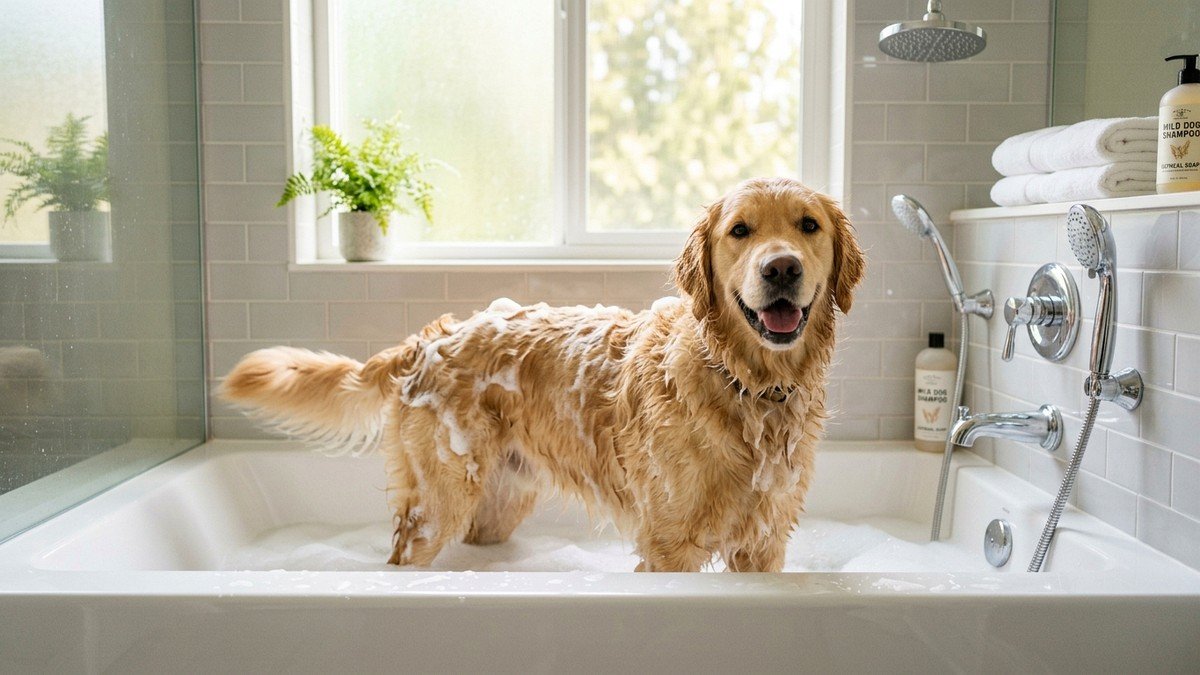
Finding the right bathing schedule for your canine companion is a critical balance between maintaining a fresh, clean home and preserving your dog’s delicate dermatological health. Many dedicated pet parents assume that more baths equal better hygiene. However, over-bathing is one of the leading causes of chronic dry skin, excessive shedding, and secondary allergic flare-ups in domestic dogs.
Key Veterinary Principle
Dogs produce specialized sebaceous oils that waterproof the fur and maintain an antimicrobial barrier known as the acid mantle. In the absence of heavy mud or medical skin conditions, most dogs thrive on baths spaced 4 to 8 weeks apart paired with consistent daily brushing.
1. Bathing Frequency by Coat Type
Every canine coat texture possesses unique physiological requirements. Tailoring your grooming routine to your dog’s specific genetic coat architecture ensures optimal skin comfort and lustrous hair:
Short, Smooth Coats (Boxers, Beagles, Pointers)
Short-coated breeds have minimal fur to trap grime. These dogs require bathing only once every 8 to 12 weeks. Wiping them down with a damp microfiber cloth after outdoor exercise is usually sufficient to maintain cleanliness while preserving their sleek coat sheen.
Double Coats (Golden Retrievers, Huskies, German Shepherds)
Double-coated breeds have a dense, insulating undercoat protected by tough outer guard hairs. These breeds should be bathed every 6 to 8 weeks. Bathing them too frequently washes away waterproofing oils, while infrequent drying of the dense undercoat can trap moisture, causing painful bacterial hot spots.
Curly, Wire, and Non-Shedding Hair Coats (Poodles, Doodles, Schnauzers)
Breeds with continuously growing hair rather than shedding fur require regular professional grooming and baths every 4 to 6 weeks. Because their shed hairs become caught in curls, frequent bathing must always be preceded and followed by thorough detangling and brushing to avoid severe matting.
Hairless Breeds (Chinese Crested, Xoloitzcuintli)
Unlike furred canines, hairless breeds accumulate skin oils rapidly, making them susceptible to clogged pores and blackheads. These dogs require gentle, hydrating baths every 1 to 2 weeks followed by canine-safe moisturizing lotions.
2. Lifestyle Factors That Alter Bath Timing
Beyond coat genetics, environmental exposure dictates how quickly your dog accumulates odors and foreign matter:
- Active Swimmers: Dogs that swim in natural lakes, ponds, or chlorinated pools must be rinsed with clean water immediately after every swim to remove pond algae, organic bacteria, and chlorine residue.
- Allergy Sufferers: Dogs diagnosed with atopic dermatitis benefit from weekly therapeutic baths utilizing prescription colloidal oatmeal or pramoxine shampoos, which mechanically rinse allergens off the coat and calm inflamed nerve endings.
- Sedentary Couch Loungers: Well-brushed indoor companions living in clean apartments can comfortably extend intervals between baths up to three months.
Canine Coat Care and Bathing Frequency Reference
Use this reference table to establish an ideal schedule for your household pets:
| Coat Classification | Example Breeds | Recommended Schedule | Maintenance Between Baths |
|---|---|---|---|
| Smooth / Short | Labrador, Boxer, Beagle | Every 8 to 12 weeks | Rubber curry brush weekly |
| Double Coat | Husky, Shepherd, Malamute | Every 6 to 8 weeks | Undercoat rake 2 to 3 times weekly |
| Curly / Low-Shed | Poodle, Goldendoodle, Bichon | Every 4 to 6 weeks | Daily line-brushing and metal comb |
| Silky / Long Hair | Yorkshire Terrier, Maltese | Every 3 to 4 weeks | Pin brush and conditioning spray |
| Hairless | Chinese Crested | Every 1 to 2 weeks | Daily gentle skin inspection |
3. Step-by-Step Stress-Free Dog Bath Protocol
Executing a proper bath protects both your pet’s physical comfort and psychological well-being:
- Pre-Bath Brushing: Never wet a matted dog. Water tightens hair tangles into felted mats that can cut off skin circulation. Always brush out dead fur thoroughly before turning on the water.
- Protect the Ears: Gently insert a large cotton ball into each ear canal before bathing. This blocks water from entering the inner ear canal, preventing painful post-bath yeast and bacterial otitis.
- Check Water Temperature: Dog skin is thinner and more heat-sensitive than human skin. Always test the water on the inside of your wrist to ensure it is comfortably lukewarm, never hot.
- Double Rinse: Shampoo residue left against the skin is the primary cause of post-bath itching. Continue rinsing until runoff water is crystal clear and completely devoid of soap suds.
- Thorough Drying: Towel-dry vigorously. If using a hair dryer, choose a pet-specific high-velocity dryer on a cool or low-warm air setting, keeping the nozzle moving continuously.
Helpful Related Guides for Dog Owners
If your dog experiences dermatological sensitivities or frequent scratching after outdoor play, read our veterinarian guides on why dogs lick their paws excessively and why dogs shake their heads.
Frequently Asked Questions (FAQs)
1. How often should you bathe a dog that stays indoors?
Most healthy indoor dogs with smooth or medium coats only require bathing once every 6 to 8 weeks. Regular brushing between baths removes loose fur, dander, and surface dirt without depleting natural protective skin oils.
2. Can you bathe a dog once a week?
Bathing a healthy dog weekly with ordinary shampoo is generally not recommended, as it strips natural sebum lipids, resulting in dry, flaky skin and pruritus. However, dogs undergoing medical treatment for fungal or bacterial dermatological conditions may require medicated baths weekly under veterinary guidance.
3. Can I use human shampoo or baby shampoo on my dog?
No, human shampoos and even mild baby shampoos are formulated for human skin pH (around 5.5), whereas canine skin is significantly more neutral (pH 6.2 to 7.4). Using human products disrupts the acid mantle, leaving the dog vulnerable to bacterial proliferation and severe dryness.
4. How do you bathe a dog that hates water?
To reduce canine bath anxiety, place a non-slip rubber mat at the bottom of the tub, smear peanut butter on a silicone lick pad suctioned to the wall, use lukewarm water, and avoid spraying water directly into the face or ears. Gradual desensitization with high-value treats transforms the experience.
5. At what age can you give a puppy their first bath?
Puppies should generally not receive full baths before 8 weeks of age because very young puppies cannot effectively regulate their body temperature, making hypothermia a serious risk. If a young puppy gets messy, use warm, damp washcloths or puppy-safe grooming wipes.
6. Why does my dog smell worse a few days after a bath?
If your dog smells bad shortly after washing, the cause is usually incomplete drying, which traps dampness close to the warm skin, fostering yeast growth. Alternatively, the shampoo may have stripped the lipid layer, triggering rebound oil production and bacterial activity.