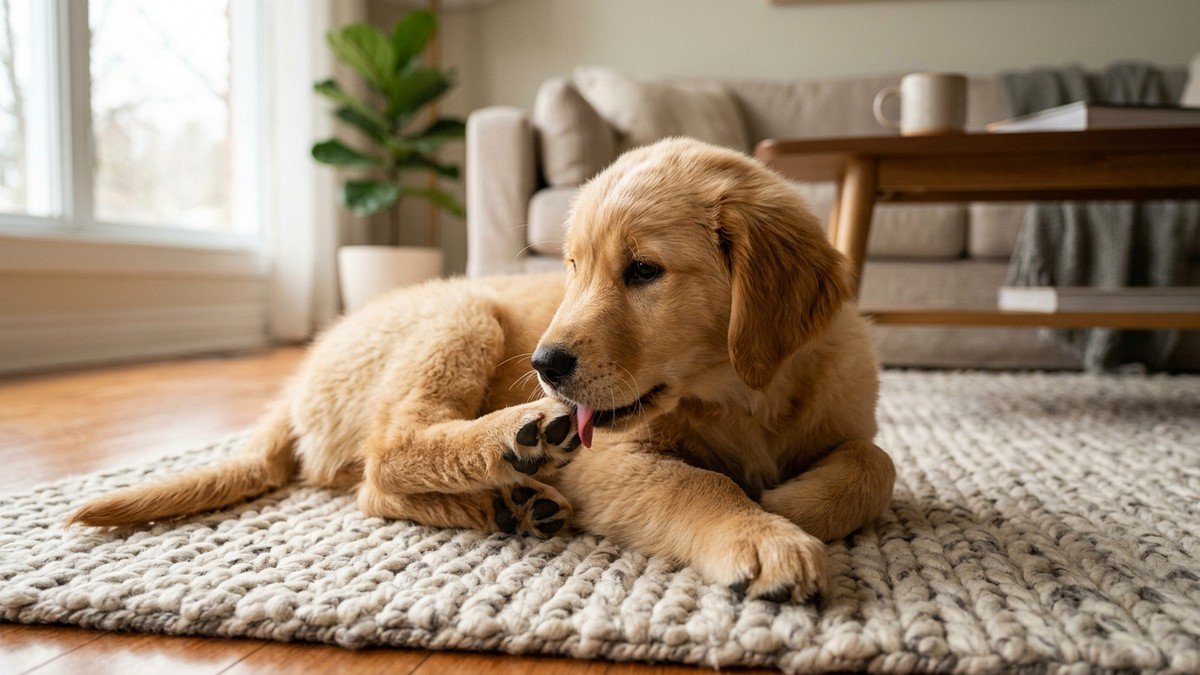
Few sounds are as familiar or as concerning to pet owners as the persistent, rhythmic licking of dog paws in the middle of the night. While occasional paw cleaning is a normal grooming behavior for dogs after outdoor walks, obsessive and repetitive licking is a major clinical indicator of discomfort. Left unaddressed, frequent moisture from saliva breaks down the skin barrier, leading to secondary bacterial pododermatitis, open hot spots, and intense pain.
Key Takeaway for Dog Owners
Canine paw licking is rarely just a bad habit. In over 80 percent of clinical veterinary cases, excessive paw licking stems from underlying allergies, yeast overgrowth, or localized orthopedic pain. Prompt identification prevents costly chronic dermatological complications.
1. Environmental and Seasonal Allergies (Atopic Dermatitis)
The most common medical cause of canine paw licking in North America is atopic dermatitis triggered by environmental allergens. Dogs do not experience hay fever in the same manner humans do. Rather than sneezing and watery eyes, canine allergic responses manifest primarily in the skin, especially on the paws, groin, and ear canals.
When your dog walks through grass, pollen, mold spores, or weed seeds, microscopic particles penetrate the outer epidermis of the paw pads. The immune system releases histamines and inflammatory cytokines, causing intense pruritus (itching). In winter months, chemical ice melts, rock salts, and damp snow can cause chemical contact dermatitis, prompting dogs to lick vigorously in an attempt to soothe burning sensations.
2. Food Allergies and Protein Sensitivities
While environmental allergies tend to peak in spring and autumn, food sensitivities cause persistent, year-round itching. Canine food allergies are almost always an immune response to dietary proteins rather than grains. Common culprits include chicken, beef, dairy, and eggs.
Dogs suffering from dietary intolerances often develop pruritus in both front and rear paws simultaneously. This is frequently accompanied by recurring ear infections, chronic loose stool, or scooting due to anal gland inflammation. If your dog exhibits multiple symptoms across different seasons, your veterinarian may recommend an eight-week strict novel protein or hydrolyzed elimination diet trial.
3. Yeast and Bacterial Infections (Pododermatitis)
Canine skin naturally harbors microscopic populations of yeast (Malassezia pachydermatis) and bacteria (Staphylococcus pseudintermedius). Under normal, dry conditions, these microorganisms remain harmless. However, when an allergic dog begins licking its paws, saliva saturates the warm spaces between the toes, creating an ideal incubator for rapid microbial reproduction.
A hallmark indicator of a yeast infection is a pungent, sweet, corn chip or fermented odor emanating from the paws. The skin often looks oily, reddened, or moist, and light-colored fur develops dark rusty brown staining from salivary porphyrin pigments. Once an infection establishes itself, the itch becomes intense, creating a self-perpetuating cycle of damage.
4. Foreign Objects, Punctures, and Physical Injuries
If your dog is suddenly and frantically licking a single paw while ignoring the other three, suspect an acute physical injury or foreign body intrusion. Outdoor terrain poses numerous hazards for active pets:
- Foxtails and Plant Awns: Barbed grass awns can burrow beneath the thin skin between the toes, migrating inward and generating deep abscesses.
- Cracked or Torn Nails: A split claw exposing the sensitive quick causes severe throbbing pain that dogs attempt to soothe by licking.
- Interdigital Cysts: Swollen, fluid-filled pockets between the toes that become infected and inflamed from friction.
- Insect Bites and Stings: Wasp stings, ant bites, or spider bites sustained during outdoor play.
5. Osteoarthritis and Referred Pain
In senior dogs, paw licking is often a reaction to chronic musculoskeletal pain rather than an itchy skin condition. Dogs with osteoarthritis in their carpal (wrist) joints, elbows, or spinal columns frequently lick their forepaws as a coping mechanism. Licking stimulates the brain to release endorphins, which provide mild temporary pain relief.
If your older canine companion shows reluctance to climb stairs, stiffness after lying down, or spends extended periods licking the tops of their wrists, have your veterinarian perform an orthopedic examination and evaluate joint mobility.
Diagnostic Breakdown of Canine Paw Licking
To help you assess what your dog may be dealing with before consulting a veterinarian, review this comprehensive diagnostic table:
| Probable Cause | Paws Affected | Primary Signs | Distinct Odor | Recommended Action |
|---|---|---|---|---|
| Environmental Allergies | All four paws | Red skin between toes, seasonal recurrence | Minimal to none | Post-walk wipes, vet allergy therapy |
| Yeast Infection | Two or more paws | Moist, greasy skin, reddish-brown fur staining | Corn chips or fermented yeast | Antifungal baths, chlorhexidine soaks |
| Foreign Body (Foxtail) | Single paw only | Sudden limping, swelling, localized drainage hole | None to foul if infected | Immediate veterinary extraction |
| Food Sensitivity | All four paws | Year-round itch, recurrent ear infections | Variable | 8-week elimination diet trial |
| Boredom or Anxiety | Front paws mostly | Licking while idle, skin intact initially | None | Enrichment toys, exercise, behavior work |
6. Veterinary Treatments and Actionable Home Care
Resolving chronic paw licking requires a multi-faceted approach combining medical diagnosis and daily environmental management:
- Wipe Paws After Every Walk: Use hypoallergenic, fragrance-free dog wipes or a damp microfiber towel to clean paws thoroughly after outdoor excursions. This removes grass pollens, weed sap, and outdoor road salts before they penetrate the skin.
- Medicated Foot Soaks: If yeast or bacteria are present, veterinary chlorhexidine or ketoconazole rinses help sterilize the interdigital spaces without over-drying the foot pads.
- Targeted Anti-Itch Therapies: Modern veterinary medicine offers highly targeted immunotherapies like oclacitinib (Apoquel) and lokivetmab (Cytopoint injections), which neutralize the specific neural itch signals without the broad side effects of systemic steroids.
- Protective Dog Booties: During severe flare-ups or winter walks on treated sidewalks, breathable protective booties shield sensitive paws from chemical irritants.
Helpful Related Guides for Dog Owners
If you are managing other common canine habits and wellness questions, read our detailed guides on why dogs shake their heads and why dogs eat grass for veterinarian-backed insights.
Frequently Asked Questions (FAQs)
1. Why is my dog licking its paws raw?
Excessive licking that causes raw, red, or hairless skin is typically triggered by severe environmental allergies, food sensitivities, or secondary yeast and bacterial infections. Chronic moisture creates an ideal breeding ground for microbes, causing intense itchiness that drives continuous licking.
2. Can I put coconut oil on my dog’s itchy paws?
While pure virgin coconut oil has mild moisturizing and antimicrobial properties, dogs often lick it off immediately, which can exacerbate obsessive licking habits or cause digestive upset and pancreatitis if consumed in excess. Medicated chlorhexidine wipes or veterinary-prescribed sprays are far more effective.
3. What do pink or reddish stained paws mean on a dog?
Reddish-brown discoloration on light-colored fur is caused by porphyrins, which are iron-containing chemical compounds found naturally in canine saliva and tears. When a dog licks its paws persistently, these porphyrins oxidize in the air, creating distinct rusty stains.
4. How do I know if my dog’s paw licking is caused by anxiety?
Behavioral paw licking usually occurs when a dog is resting, bored, or stressed by changes in the household, loud noises, or separation from family members. If physical causes such as allergies, foxtails, or infections are ruled out by a veterinarian, anxiety or canine compulsive disorder may be the underlying trigger.
5. Does Benadryl help with dog paw licking?
Diphenhydramine (Benadryl) can temporarily relieve mild histamine reactions from environmental contact allergies, but it is often ineffective for chronic canine atopic dermatitis or existing yeast infections. Always consult your veterinarian for proper dosing and diagnosis before administering any over-the-counter antihistamine.
6. When should I take my dog to the vet for paw licking?
You should schedule a veterinary appointment immediately if the paws smell like corn chips, show bleeding, open sores, swelling, limping, discharge, or if your dog refuses to walk. These symptoms indicate active secondary infections or foreign body penetration that require prescription treatment.