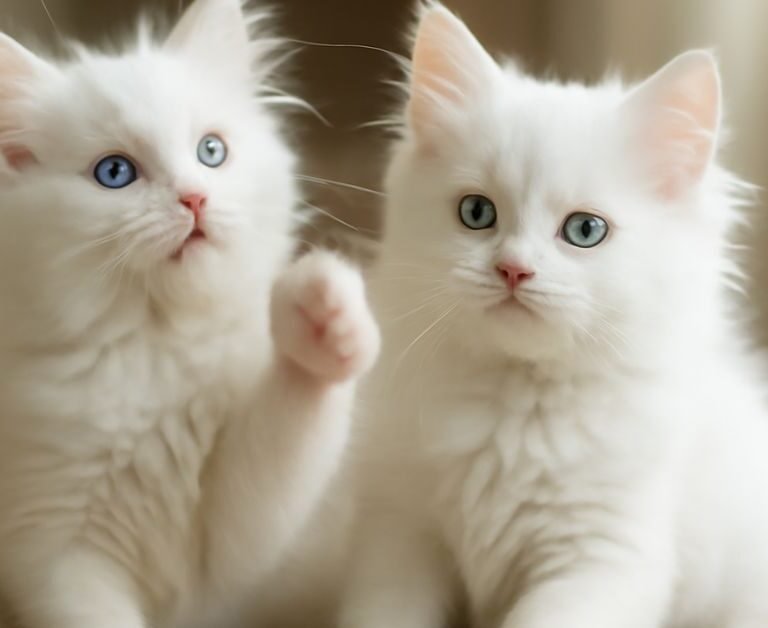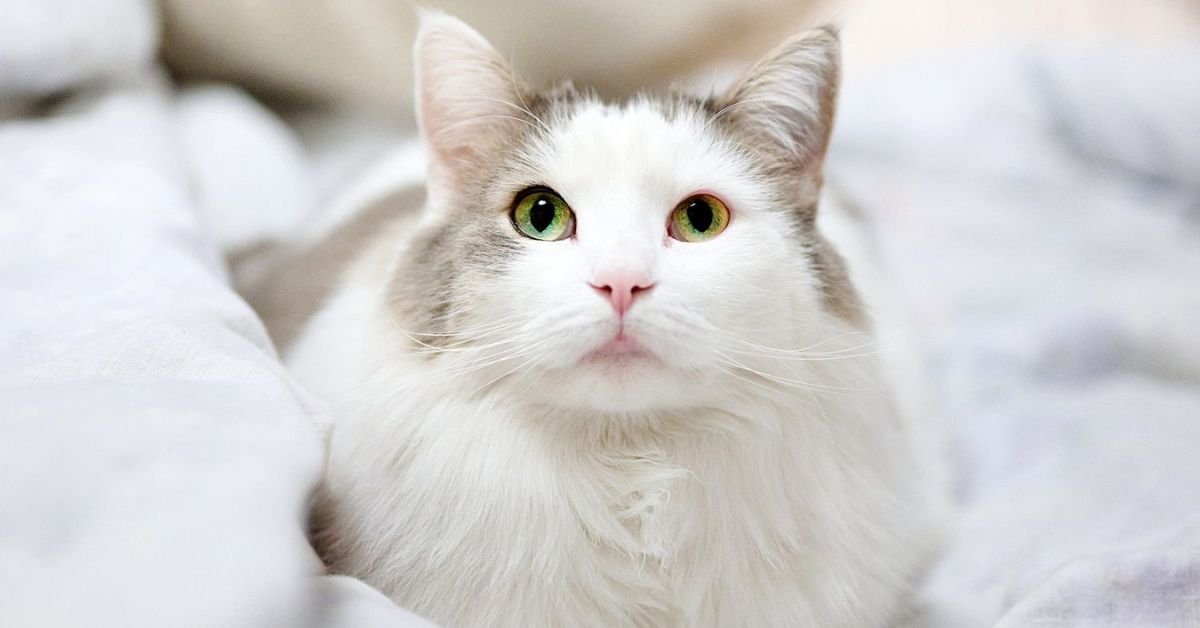

Cats have always fascinated humans with their elegance and mystery, but some breeds truly stand out for their beauty and history. One such breed is the Turkish Angora, a cat known for its silky fur, graceful movements, and intelligent personality. If you’ve ever seen a pure white cat with striking blue or green eyes, chances are it was a Turkish Angora.
In this blog, we’ll explore the origins, personality, care needs, and unique facts about this royal cat breed.
Origins of the Turkish Angora 🏛️
The Turkish Angora is one of the world’s oldest natural cat breeds, originating from Ankara (formerly Angora), Turkey. These cats are often linked to Turkish folklore and are considered a national treasure. In fact, the Ankara Zoo has been known to protect and breed them to preserve their lineage.
- First appeared in Europe during the 16th century.
- Admired by royalty for their long, flowing coats.
- They played a role in developing other breeds like the Persian cat.
👉 You might also like reading about the Persian Cat: The Royal Beauty of the Feline World to see how both breeds are connected.
Appearance – A True Feline Aristocrat 👑
The Turkish Angora is admired for its slender yet muscular build and stunning coat.
- Coat: Long, silky, and flowing, often white but available in many colors (black, blue, red, cream, tabby, etc.).
- Eyes: Can be blue, green, amber, or odd-eyed (one blue, one green/amber).
- Body: Sleek, elegant, and lightweight yet surprisingly strong.
- Tail: Long and bushy, often compared to a plume.
These cats are not just about looks; their elegance is matched by their lively and affectionate personality.
Personality Traits 😺
Turkish Angoras are highly intelligent, playful, and affectionate. They love being part of the family and often form strong bonds with their favorite humans.
- Affectionate: Love cuddles but also value independence.
- Playful: Enjoy toys, climbing, and interactive play.
- Intelligent: Can learn tricks and respond to training.
- Social: Tend to get along with other pets but like being the center of attention.
👉 If you want to explore more elegant cat breeds, check out the Black Persian Cat – The Ultimate Guide.
Care and Grooming Tips ✂️🧴
Although their coat looks luxurious, Turkish Angoras surprisingly require less grooming than many long-haired breeds.
- Brushing: 1–2 times a week to avoid tangles.
- Bathing: Rarely needed as their fur resists matting.
- Diet: A high-quality protein diet to maintain muscle and coat health.
- Exercise: Provide climbing trees and toys to keep them active.
Health Concerns ⚕️
While generally healthy, Turkish Angoras can be prone to some conditions:
- Deafness in solid white cats with blue eyes.
- Hypertrophic Cardiomyopathy (HCM) – a heart condition.
- Regular vet checkups are recommended for early detection.
For trusted health information, you can refer to PetMD’s cat health guide.
Fun Facts About Turkish Angora 🐈⬛
- One of the oldest naturally occurring cat breeds.
- The Turkish Angora is considered a national treasure in Turkey.
- Odd-eyed Angoras are especially prized.
- They are often featured in Turkish myths and legends.
👉 Love learning about rare breeds? Don’t miss our guide on the Top Cat Breeds – Discover the Most Popular and Lovable Feline Companions.
FAQs About Turkish Angora Cats
Final Thoughts 🌟
The Turkish Angora is more than just a beautiful cat – it’s a symbol of elegance, intelligence, and companionship. If you’re looking for a cat that combines grace with playfulness, this breed might be the perfect fit for you.
For more pet care tips and detailed breed guides, visit MyPetVista and explore our growing library of pet resources.