It is a scenario played out in millions of households daily: you finish preparing a meal, wipe down the kitchen counter, turn your back for thirty seconds, and hear the soft thud of paws landing directly beside the cutting board. Counter surfing is one of the most frustrating challenges facing cat owners, raising valid hygiene concerns regarding toxoplasmosis and litter box contamination while exposing curious pets to hot stove burners and toxic human foods.
Fundamental Feline Principle
You cannot extinguish a cat’s instinctual need for vertical elevation. To permanently keep a cat off your counters, you must provide an authorized, superior high perch in the same room while making counter surfaces unappealing.
1. The Evolutionary Drive for Vertical Territory
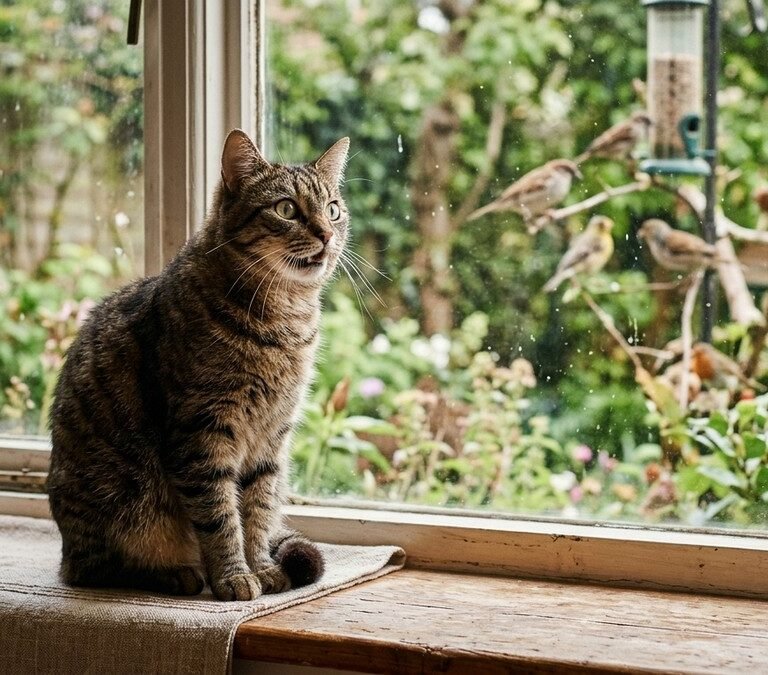
In the wild, tree limbs and elevated rocky perches are essential for feline survival. Height grants cats a 360-degree panoramic view of potential prey, while safeguarding them from terrestrial predators like dogs or coyotes. In domestic homes, kitchen counters, refrigerators, and dining tables serve as the modern equivalents of elevated tree branches.
When you scold a cat for being on the counter, you are punishing a deeply ingrained biological drive. If your kitchen lacks alternative high perches, your cat will continue jumping up the moment you leave the room.
2. Providing Superior Authorized High Perches (The Yes Spot)
The cornerstone of feline behavioral modification is replacing an unauthorized surface with a more rewarding alternative:
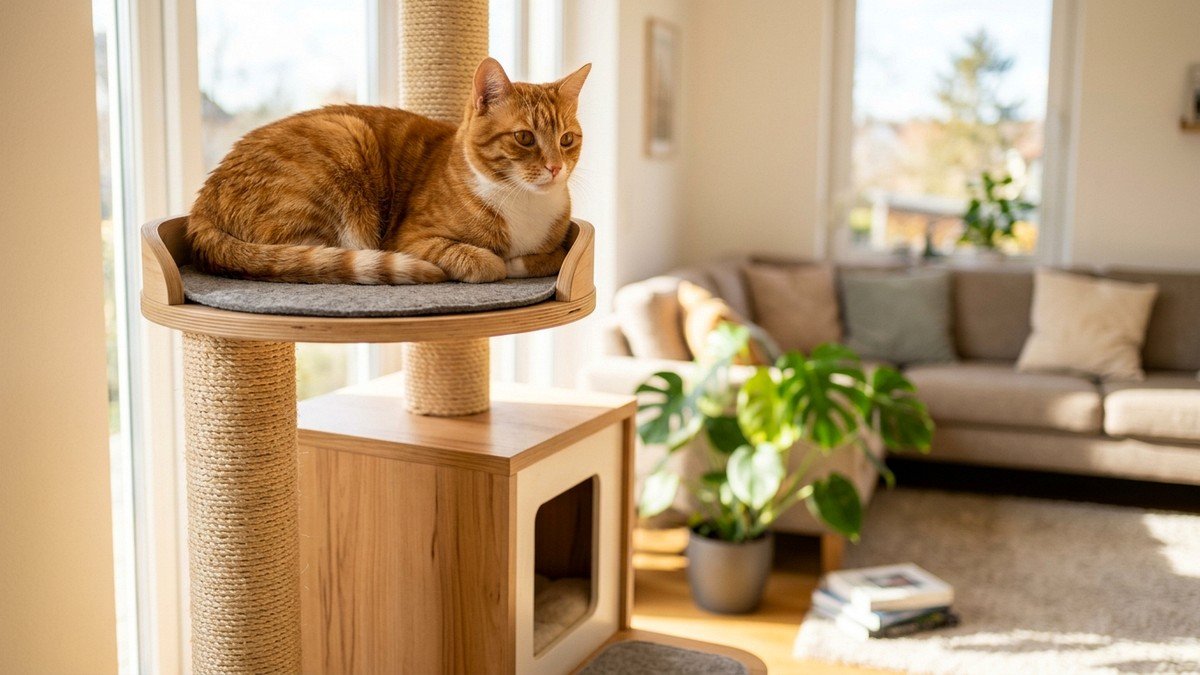
- Position a Tall Cat Tower Nearby: Position a sturdy multi-level cat tree at the entrance of the kitchen or directly beside the prep island. Ensure the top perch is higher than the kitchen counter itself, as cats naturally prefer the highest elevation available.
- Deploy the Kitchen Stool Strategy: Place a dedicated barstool with a soft fleece mat at the end of the counter. Whenever you prepare meals, place delicious freeze-dried salmon or chicken treats on the stool to make it the most rewarding spot in the kitchen.
- Praise and Reinforce: The moment your cat chooses the cat tree or stool over the counter, mark the behavior with verbal praise and a healthy snack.
3. Harmless Environmental Deterrents (The Environmental No)
While reinforcing the authorized high perches, modify the counter surface so it provides negative feedback independently of your presence:
- Double-Sided Sticky Tape: Place strips of pet training tape along counter edges. Cats despise sticky sensations on their delicate paw pads and will immediately dismount.
- Aluminum Foil or Inverted Cookie Sheets: Line the edge of the counter with sheets of aluminum foil. When the cat lands, the crinkling noise and sliding texture produce a startling, harmless tactile deterrent.
- Eliminate All Food Attractants: Never leave butter dishes, defrosting meats, bread loaves, or dirty plates out. Food rewards make the counter worth the risk.
- Citrus Cleaning Sprays: Wipe down granite or laminate with citrus-infused cleaners. Feline olfaction strongly dislikes orange, lemon, and lime oils.
Counter Deterrent Methods Compared
Review the effectiveness, safety, and psychological impact of common counter management techniques:
| Strategy | Mechanism | Efficacy Rating | Veterinary Behaviorist View |
|---|---|---|---|
| High Perch Replacement | Satisfies instinctual vertical need | Outstanding (Permanent fix) | Gold standard positive reinforcement |
| Double-Sided Sticky Tape | Paw pad tactile aversion | High (Effective deterrent) | Humane, passive environmental feedback |
| Aluminum Foil Liners | Auditory and slippery texture shock | Moderate (Some cats ignore it) | Safe, temporary training bridge |
| Water Spray Bottle | Human-delivered physical punishment | Zero (Fails when owner absent) | Damages bond, induces anxiety |
Helpful Related Guides for Cat Owners
Explore more humane solutions to common feline habits in our detailed guides on why cats knock things over and how to introduce cats peacefully.
5. Feline Vertical Territory and 3D Environmental Drivers
To permanently solve counter surfing, you must understand your cat’s evolutionary psychology. Cats are both solitary predators and prey animals for larger carnivores. In the wild, survival depends on utilizing three-dimensional vertical space:
- Strategic Panoramic Vantage: High elevation provides an unobstructed visual vantage point where the cat can monitor approaching threats, moving family members, and roaming dogs without risk of ambush.
- Thermodynamic Comfort: In climate-controlled homes, warm air rises. Elevated kitchen islands and upper cabinet ledges are consistently warmer than cold linoleum or hardwood floorboards.
- Olfactory Scent Highways: Kitchen countertops are aromatic hotspots where butter, roasted chicken, fresh fish, and dairy fats leave microscopic chemical scent residues that entice inquisitive feline noses.
6. Why Squirt Bottles and Physical Punishment Backfire
Spraying a cat with water, clapping loudly, or yelling creates significant unintended psychological damage while failing to extinguish the behavior:
- Destroys the Human-Animal Bond: Cats do not connect the unpleasant water blast with the counter itself; they associate the punishment directly with you. You become an unpredictable source of fear.
- Teaches Stealth Counter Surfing: The cat quickly learns that being on the counter is only dangerous when you are physically in the room. They continue jumping on counters the moment your back is turned or you go to sleep.
- Induces Chronic Stress Cystitis: Fear and unpredictable punishment elevate feline cortisol, precipitating sterile urinary bladder inflammation (feline idiopathic cystitis) and inappropriate urination.
7. Designing Irresistible Alternative Perch Havens
The most effective behavioral solution is providing an alternative elevated perch that is physically superior to the kitchen counter:
- Position a High Barstool or Cat Tree: Place a sturdy multi-level cat tree or adjustable barstool two to three feet away from the kitchen prep island, with its top perch resting slightly higher than the counter.
- Reward Elevated Cooperative Resting: Whenever your cat hops onto their designated barstool while you cook dinner, immediately praise them and offer a piece of freeze-dried salmon.
- Create Positive Social Proximity: Cats love participating in household activities. A designated perch satisfies their desire to observe food preparation without contaminating food surfaces.
8. Automated Passive Deterrents and Counter Hygiene
Combine positive perches with automated passive deterrents that make the counter surface unappealing without human intervention:
- Aluminum Foil or Double-Sided Sticky Paws: Line counter edges with crinkled aluminum foil or clear double-sided pet tape. Cats detest unexpected tactile textures and acoustic crackling under their paw pads.
- Motion-Activated Air Blast Cans: Motion-detecting canisters (such as PetSafe SSSCAT) emit a brief hiss of compressed odorless air when movement crosses the counter edge. Because the air hiss triggers automatically, the cat learns the counter itself is self-defending.
- Strict Scent Neutralization: Wipe countertops after every meal with citrus-infused enzyme cleaners. Felines naturally avoid limonene and citrus essential oil scents.
Frequently Asked Questions (FAQs)
1. Why do cats love jumping on kitchen counters?
Cats are vertical territory seekers that feel inherently safer observing their world from high vantage points. Kitchen counters also harbor alluring food aromas, crumbs, defrosting meats, and bird views from kitchen windows.
2. Does aluminum foil keep cats off counters?
Yes, aluminum foil is a classic, harmless tactile deterrent. Cats dislike the sudden crinkling acoustic noise and the slippery, cold sensory feeling beneath their sensitive paw pads, prompting them to dismount immediately.
3. Why do spray bottles fail to keep cats off counters?
Water squirt bottles do not teach a cat that counters are off-limits; they only teach the cat that you are unpredictable and dangerous. As soon as you leave the room or go to sleep, the cat jumps right back onto the counter.
4. What is the best alternative to offer a counter-surfing cat?
Place a tall, sturdy cat tree or dedicated kitchen cat stool immediately adjacent to the counter. When you reward your cat with treats whenever they choose their tower instead of the counter, you redirect the habit positively.
5. Can double-sided tape damage kitchen counter surfaces?
Specially formulated pet training tape (sticky paws) utilizes residue-free medical-grade adhesive that adheres safely to laminate, granite, and stainless steel without leaving sticky glue behind.
6. How can I clean counters to make them less appealing to cats?
Wash counters with citrus or mild enzymatic cleaners containing lemon, orange, or eucalyptus oils. Felines detest citrus scents and will naturally avoid surfaces bearing those aromas.
Why do cats jump on countertops even when there is no food present?
Beyond food exploration, counters provide vertical safety, a superior viewpoint to survey the room, and tactile warmth from appliances like dishwashers or toaster ovens.
How long does it take for a cat to unlearn counter surfing?
With consistent passive deterrents, strict kitchen hygiene (zero food scraps left out), and a superior alternative high perch, most cats abandon counter surfing within ten to fourteen days.