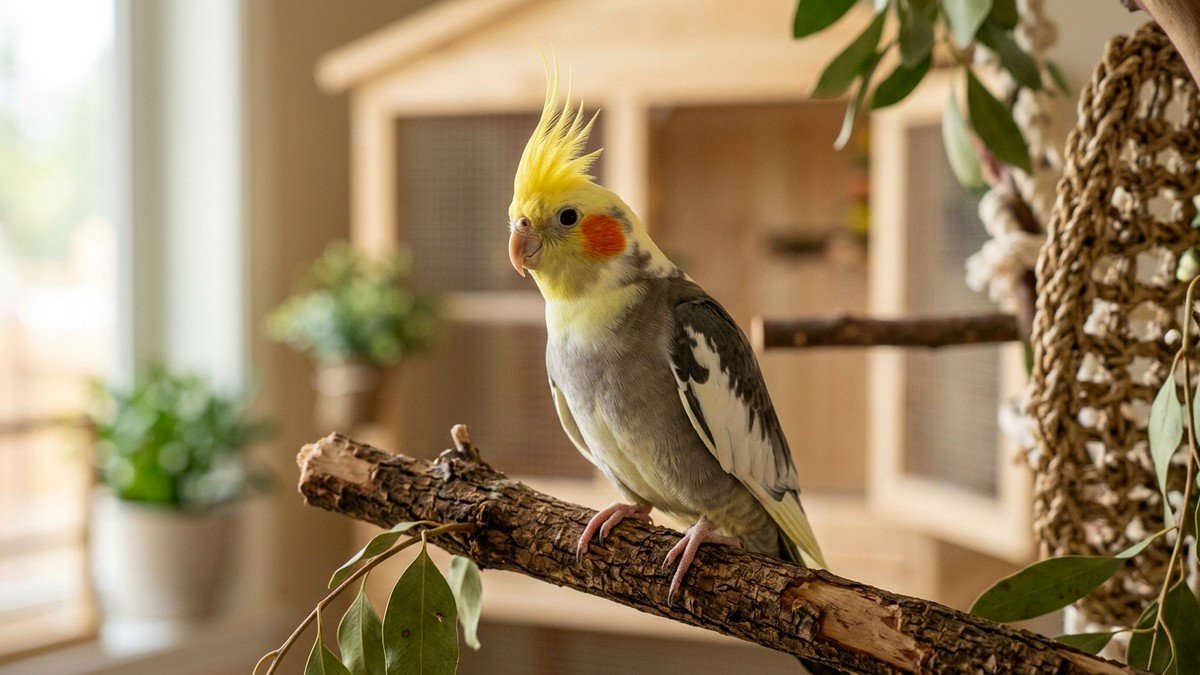
You reach your hand toward your cockatiel’s cage to offer a fresh bowl of seeds, and suddenly your charming companion transforms: its body crouches low against the perch, its vibrant yellow crest flattens flat against its skull, its beak snaps open, and it emits a harsh, rasping sound that sounds unmistakably like an angry snake. For first-time bird owners, this serpentine hiss can be startling. However, in avian ethology, hissing is a fundamental, sophisticated warning mechanism designed to prevent physical conflict.
Key Avian Behavioral Truth
A hissing cockatiel is not being mean or spiteful. Hissing is an evolutionary courtesy: your bird is vocalizing acute fear or territorial discomfort, begging you to back away before it is forced to deliver a defensive bite.
1. The Evolutionary Snake Mimicry of Cockatiels
Cockatiels (Nymphicus hollandicus) are native to the vast scrublands of inland Australia, where they nest inside hollow eucalyptus tree trunks. In these dark tree cavities, cockatiel eggs and helpless chicks face constant mortal danger from predatory goannas (monitor lizards), carnivorous marsupials, and snakes.
To defend their young in the pitch black, wild cockatiels evolved a brilliant deceptive defense: Batesian acoustic mimicry. By swaying their heads rhythmically from side to side and expelling air through their glottis in a sharp raspy hiss, nesting cockatiels sound convincingly like a deadly venomous snake, causing intruding predators to hesitate or retreat.
2. Decoding Cockatiel Crest Language
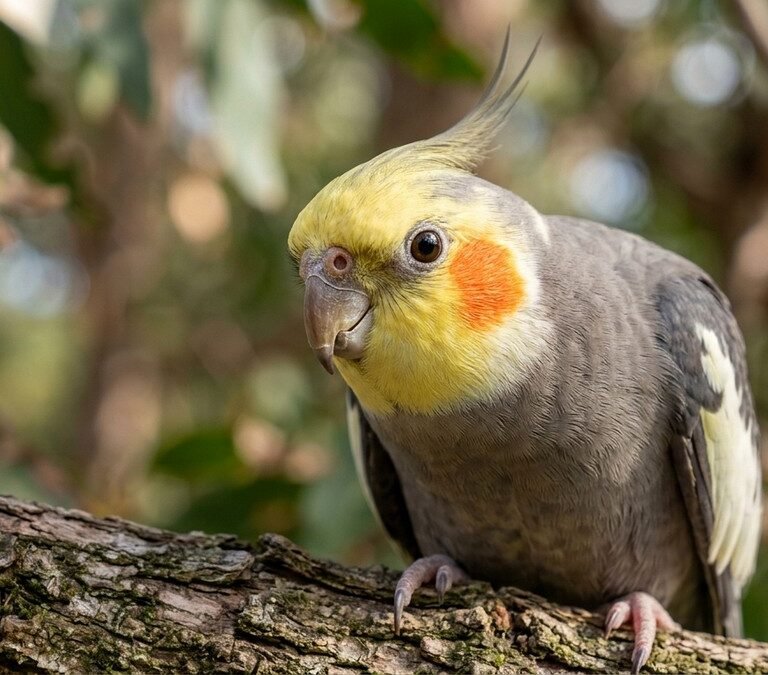
A cockatiel’s crowning glory is its mobile crest of erectile feathers, controlled by minute subcutaneous arrector pili muscles. By observing the angle of the crest alongside vocal cues, you can instantly read your bird’s emotional state:
- Flattened Completely Back Against Head: Extreme fear, defensive aggression, or readiness to bite. Accompanied by hissing, open beak, and crouched posture.
- Straight Up in the Air (Vertical): High alertness, surprise, or curiosity. The bird has detected an unfamiliar sound or shadow and is assessing potential threats.
- Relaxed at 45-Degree Angle with Curled Tip: Supreme contentment and peaceful safety. The cheek feathers are usually puffed out to cover the sides of the beak.
3. Cage Aggression and Hand Shyness
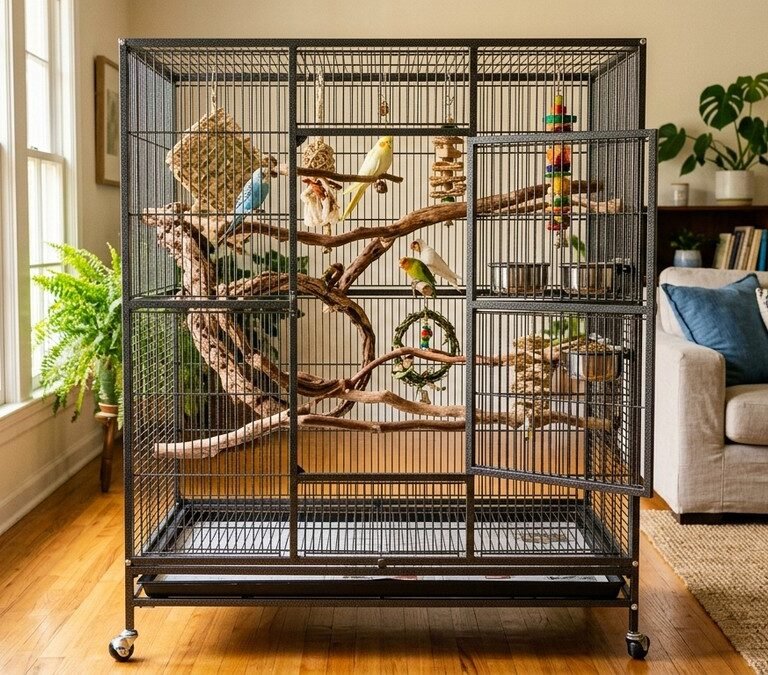
The most common trigger for pet cockatiel hissing is reaching a bare hand directly into their cage. In captivity, the cage represents the bird’s sole secure personal territory and sleeping retreat.
When a human hand (which resembles a five-clawed predator) enters through a small door, the bird feels trapped with zero flight escape routes. It hisses to defend its sanctuary. To eliminate this friction, train your cockatiel to step onto a handheld perch outside the cage, or leave the cage door open so the bird emerges voluntarily.
Cockatiel Body Language and Escalation Ladder
Understanding the stages of avian discomfort prevents painful defensive bites:
| Stage | Crest & Posture | Vocalization | Correct Human Response |
|---|---|---|---|
| Calm Contentment | Crest 45-degrees, fluffed cheeks, one foot tucked | Soft beak grinding or gentle whistles | Offer head scratches or gentle interaction |
| Alert Assessment | Crest straight up, slim sleek feathers, tall neck | Single loud contact chirp | Pause, speak gently, let bird assess environment |
| Defensive Warning | Crest flattened back, crouching, open beak | Dry, raspy snake hiss | Freeze immediately; withdraw hand slowly |
| Defensive Strike | Lunge forward with clamping beak | Loud screech or squawk | Never strike back; respect bird boundaries |
Helpful Related Guides for Bird Owners
Learn more about avian communication and health monitoring in our veterinarian-reviewed guides on why budgies chirp and why parrots pluck their feathers.
5. Territorial Nesting Box Defense and Hormone Surges
When cockatiels experience spring hormone surges, hissing escalates dramatically. In captivity, extended artificial daylight (14+ hours of electric light) and rich fatty seed diets trigger breeding cycles in both males and females:
- Dark Cavity Fixation: Hormonal cockatiels search obsessively for dark nesting cavities. Cardboard boxes, dark closet corners, fabric bird huts, and shadows beneath couches are perceived as active egg-laying nests.
- Aggressive Nest Guarding: If an owner approaches a nesting cavity or reaches into the cage near a food bowl, the bird views the hand as an egg predator, swaying violently while unleashing explosive snake hisses.
- Managing Daylight Hours: To reduce hormonal aggression, maintain a strict 12-hour dark sleep schedule by covering the cage with a breathable blackout cloth from 8:00 PM to 8:00 AM daily.
6. Acoustic Bio-Mechanics: How Birds Produce a Snake Hiss
Unlike mammals that produce sound across vocal folds in a larynx, birds vocalize using a unique dual-chambered organ called the syrinx, located deep in the thoracic cavity at the bifurcation of the trachea. However, the snake-like hiss bypasses complex syrinx modulation:
A hissing cockatiel rapidly contracts their abdominal air sacs, forcing a high-velocity jet of pressurized air upward through an open, constricted glottis at the base of the tongue. The resulting turbulent acoustic friction generates a sharp white-noise acoustic signature between 2,000 Hz and 8,000 Hz, mimicking the defensive warning hiss of venomous Australian elapid snakes.
7. How to De-escalate an Aroused Cockatiel Without Biting
When your bird begins hissing, how you react in the subsequent three seconds determines whether the encounter resolves peacefully or ends in a bleeding puncture wound:
- Immediate Physical Freeze: Stop all forward hand movement instantly. Do not jerk your hand back with a startled gasp, as rapid movements mimic a lunging predator.
- Break Direct Eye Contact: In avian body language, a frontal predatory stare indicates intent to attack. Turn your head slightly sideways, lower your gaze, and slowly blink your eyes.
- Withdraw One Foot Slowly: Slowly step backward twelve inches. Giving the bird physical breathing room immediately lowers their heart rate and lets their crest feathers settle.
8. The T-Stick Perch Handover Technique
If your cockatiel exhibits severe cage aggression toward bare human hands, eliminate hands from the cage entry entirely using a handheld wooden dowel or T-perch:
- Mount a 12-inch natural manzanita or dragonwood stick onto a wooden handle, creating a neutral step-up perch.
- Gently extend the wooden perch into the cage horizontally, positioning it two inches below the bird’s breastbone while saying ‘Step up’.
- Because the wooden perch does not resemble human fingers or claws, cage-protective birds step onto the wood without hissing. Once outside the cage on neutral territory, transfer the bird onto your arm.
Frequently Asked Questions (FAQs)
1. Why does my cockatiel hiss at me when I put my hand in the cage?
Hissing inside the cage is a territorial defensive response known as cage aggression. Cockatiels view their cage as their personal nesting cavity. An approaching human hand looks like an invading predator, prompting a warning hiss before a bite.
2. What does a cockatiel’s crest tell you about its mood?
A cockatiel’s erectile crest feathers are emotional barometers: held high and straight up indicates curiosity or alertness; flattened completely tight against the skull indicates acute fear or defensive aggression; and held relaxed at a 45-degree angle with fluffed cheek feathers signifies calm contentment.
3. Do cockatiel chicks naturally hiss?
Yes. Wild and captive cockatiel chicks hiss in the dark nesting box from just a few days of age. Swaying back and forth while emitting a snake-like hiss mimics a venomous serpent, scaring away predatory monitor lizards and snakes.
4. What should you do when a cockatiel hisses at you?
Never punish the bird, yell, or force your hand forward. Immediately freeze your movement, take one step backward to respect the bird’s personal space, speak in soft soothing tones, and allow its crest feathers to relax before interacting.
5. Why does my cockatiel hiss in the dark at night?
Night hissing is usually triggered by night frights. Sudden headlights through blinds, insect rustling, or shadows disorient the bird in the dark, provoking defensive hissing and frantic thrashing inside the cage.
6. Can you train a cockatiel to stop hissing?
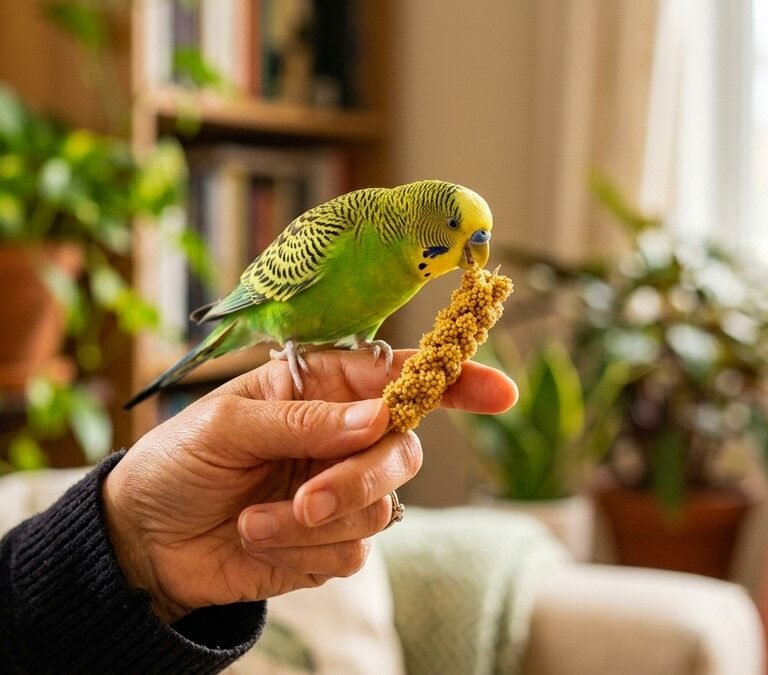
Yes, by utilizing positive reinforcement and counter-conditioning. Associate your presence and hands with high-value treats like spray millet, never forcing physical contact until the bird willingly steps forward.
Why does my cockatiel hiss at innocent everyday objects like towels or pens?
Parrots possess acute neophobia (innate fear of novel objects). Fast-moving pens, dark washcloths, or patterned hats look like predators, prompting an instinctive defensive hiss.
Can clipping a cockatiel’s wings make them hiss more?
Yes. Wing-clipped birds cannot fly away from perceived danger. Deprived of their primary natural flight escape route, they are forced to rely on intense hissing and aggressive biting.