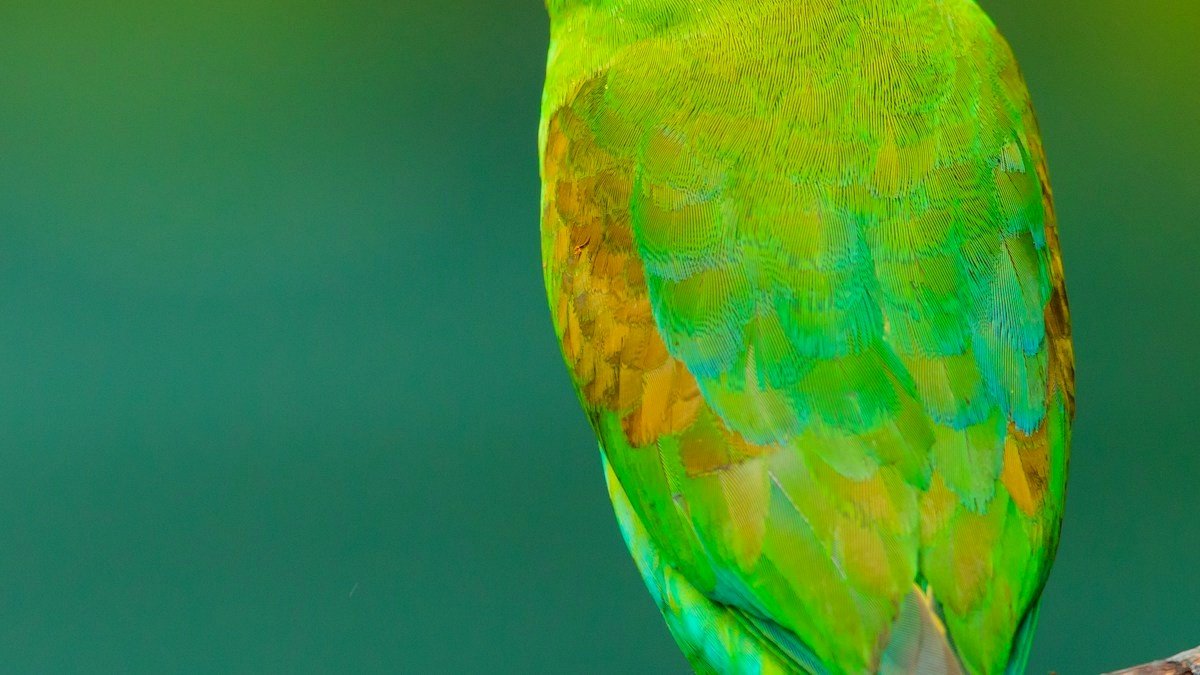
Parrots are celebrated for their vibrant plumage, extraordinary intelligence, and playful social nature. However, when a pet bird begins systematically chewing, pulling, or damaging its own plumage, it is one of the most distressing dilemmas a bird guardian can witness. Known clinically as Feather Destructive Behavior (FDB), feather plucking is a complex disorder with multiple interrelated medical, nutritional, and psychological triggers that require methodical investigation.
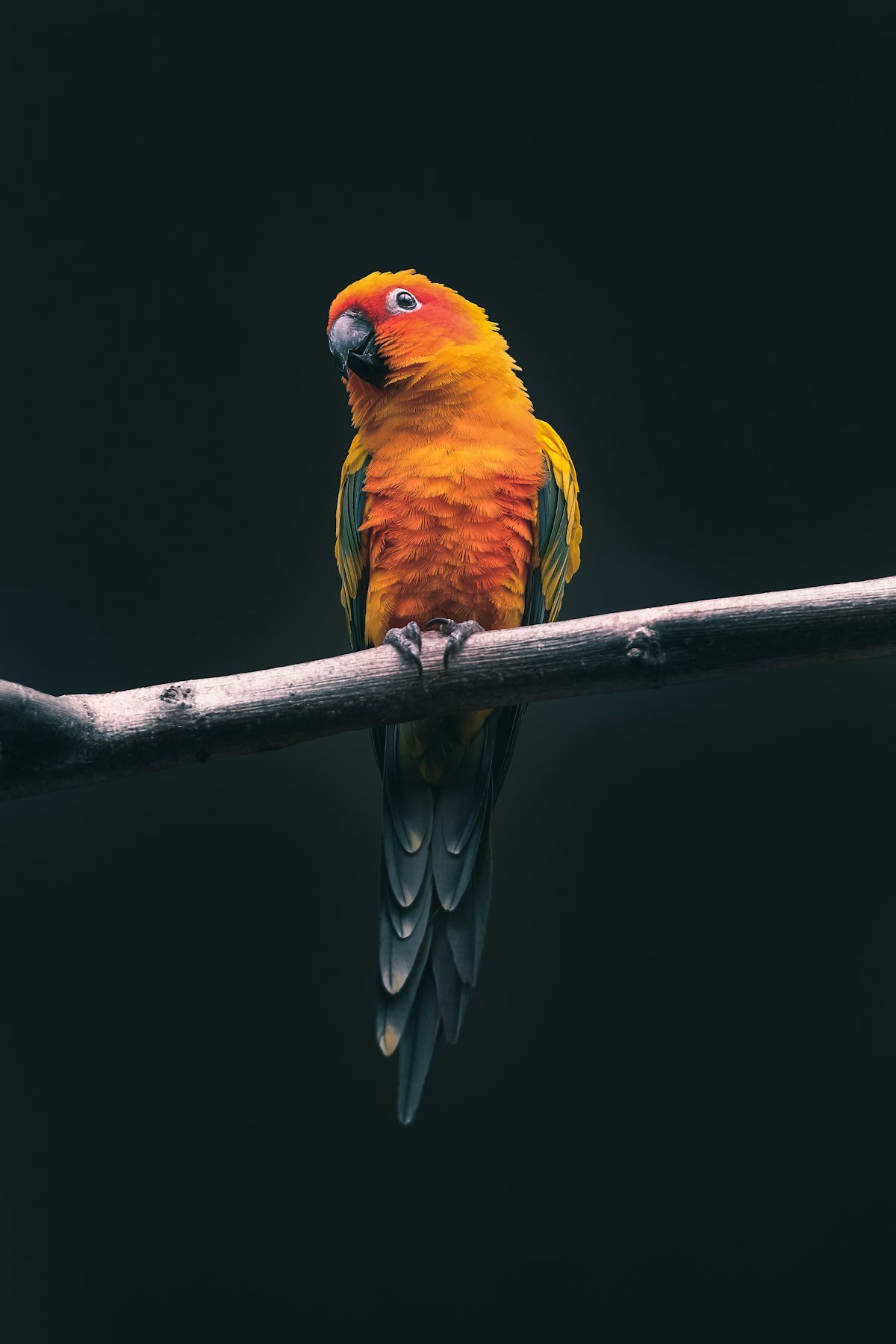
Preening vs Feather Plucking: How to Tell the Difference
All birds spend significant portions of their daily waking routine grooming their feathers. Understanding the distinction between natural hygiene and self-mutilation is essential:
- Normal Preening: The parrot collects waterproofing oils from its uropygial (preen) gland near the base of the tail and gently zips feather barbs back into place using its beak. No bald patches develop, and the down feathers remain dense and fluffy.
- Feather Destructive Behavior (FDB): The bird forcefully yanks feathers out by the follicle, chews feather shafts down to the skin, or strips downy fluff from the chest, legs, and flanks. Notably, feathers on top of the head remain pristine because the bird cannot reach its own crown.
Diagnostic Clue: If feather loss occurs on the head or neck where the beak cannot reach, it is not feather plucking. It indicates either normal molting, cage friction, or over-preening by a companion bird.
Major Causes of Feather Plucking in Parrots
Feather plucking rarely has a single isolated origin. Avian veterinarians categorize triggers into three primary areas:
1. Medical and Physical Health Triggers
- Nutritional Deficiencies: Seed-only diets are severely deficient in Vitamin A, calcium, zinc, and essential amino acids. Vitamin A deficiency causes dry, flaky, itchy skin and hyperkeratosis of the preen gland, provoking continuous plucking.
- Infections and Parasites: Giardia (an intestinal protozoan parasite), ringworm (fungal dermatitis), and bacterial skin infections cause localized burning sensations that lead birds to strip their feathers.
- Heavy Metal Toxicity: Ingestion of tiny flakes of zinc, lead, or rusted cage wire causes acute neurological distress and severe skin tingling.
- Low Environmental Humidity: Tropical species like African Greys and Amazons require 50% to 70% relative humidity. Dry indoor air conditioning and heating dehydrate skin, causing irritation.
2. Psychological and Environmental Stressors
- Boredom and Lack of Mental Enrichment: Parrots possess cognitive problem-solving abilities comparable to a 3 to 5-year-old child. In the wild, they spend 6 to 8 hours daily foraging for food. Confinement in a barren cage with easy bowl-fed seeds leads to chronic psychological frustration.
- Sleep Deprivation: Parrots require 10 to 12 hours of uninterrupted, quiet, pitch-black sleep each night. Exposure to late-night televisions and household noise disrupts hormonal rhythms.
- Separation Anxiety and Social Isolation: Highly social flock birds view their human guardians as flock mates. Sudden schedule changes, abandonment, or lack of daily interaction can trigger obsessive feather pulling as a coping mechanism.
Feather Plucking Diagnosis and Action Plan
Evaluate the most common diagnostic findings and practical veterinary remedies:
| Underlying Trigger | Common Clues | Species Most Prone | Targeted Solution |
|---|---|---|---|
| Dietary Deficiency | Dull color, seed-only diet, overgrown beak, flaky skin | Cockatoos, African Greys, Conures | Transition to organic pellets, leafy greens, orange vegetables |
| Boredom / Lack of Foraging | Plucking during work hours, lack of chew toys | African Greys, Cockatoos, Macaws | Introduce puzzle toys, foraging boxes, daily out-of-cage time |
| Dry Air and Low Humidity | Dandruff on wings, seasonal winter plucking | Amazon Parrots, Eclectus, Pionus | Warm mist showers 3 to 4 times weekly and room humidifiers |
| Giardia / Internal Parasites | Screaming while plucking under wings and inner thighs | Cockatiels, Lovebirds, Conures | Fecal testing and antiprotozoal veterinary medication |
Comprehensive Prevention and Rehabilitation Steps
To rehabilitate a bird struggling with feather destructive behavior, apply a structured care protocol:
- Schedule an Avian Veterinary Workup: Complete blood count, chemistry panel, zinc/lead toxic screens, and skin scrapings rule out treatable organ disease or infections before concluding the issue is purely behavioral.
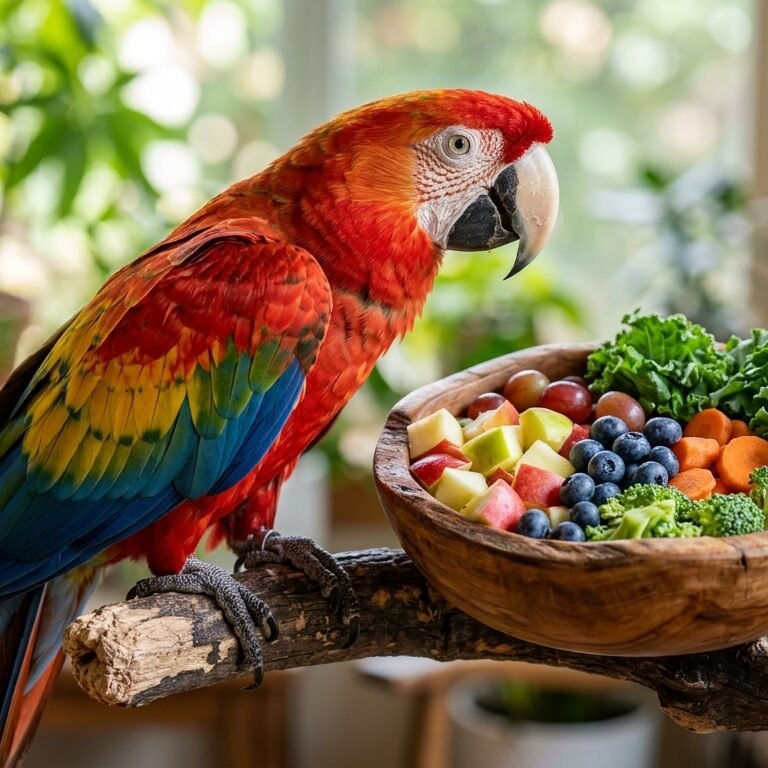
- Overhaul the Daily Diet: Gradually transition your bird from an all-seed mix to 60% to 70% formulated pellets, accompanied by fresh vegetables (carrots, sweet potato, kale, broccoli) and limited fresh fruit. Review our guide on Safe and Toxic Foods for Pet Birds for balanced nutrition rules.
- Establish a Strict 12-Hour Sleep Schedule: Cover the cage with a breathable, opaque sleep cover and move the bird to a quiet, dark room at the same time each evening.
- Provide Daily Foraging Opportunities: Wrap food in clean butcher paper, place seeds inside pine cones, and offer destructible natural wood, cardboard, and palm leaf toys to redirect their beak energy productively.
Explore More Avian and Pet Guides on MyPetVista
Deepen your understanding of companion animal wellness:
Frequently Asked Questions (FAQs)
1. Will a parrot’s plucked feathers grow back?
If the feather was simply chewed or plucked without damaging the underlying follicle, it will regrow during the next molting cycle. However, chronic plucking over months or years can scar the feather follicles, resulting in permanent baldness.
2. Can parrot feather plucking be cured completely?
Yes, if caught early and the root cause (such as dietary deficiency, parasites, or dry air) is corrected. If plucking becomes an ingrained obsessive habit over several years, it requires ongoing management with behavioral therapy, foraging enrichment, and veterinary guidance.
3. Should I put an Elizabethan collar (e-collar) on my plucking parrot?
E-collars should only be used under direct avian veterinary supervision if the bird is actively tearing into skin and causing bleeding (self-mutilation). Collars are extremely stressful for birds and do not resolve the underlying trigger.
4. Do parrots pluck their feathers out of grief or jealousy?
Yes. Parrots form deep neurobiological attachments to their human guardians. The loss of a family member, arrival of a new pet or baby, or reduced daily attention can induce profound emotional stress that manifests as self-plucking.
5. Can daily bathing help a plucking parrot?
Yes. Daily misting with plain, lukewarm filtered water moisturizes itchy skin, removes dust and feather debris, and encourages healthy preening rather than biting.
6. Which parrot species are most prone to feather plucking?
African Grey Parrots, Moluccan Cockatoos, Umbrella Cockatoos, and Quaker Parakeets exhibit the highest statistical incidence of feather destructive behavior due to their acute sensitivity and complex social demands.