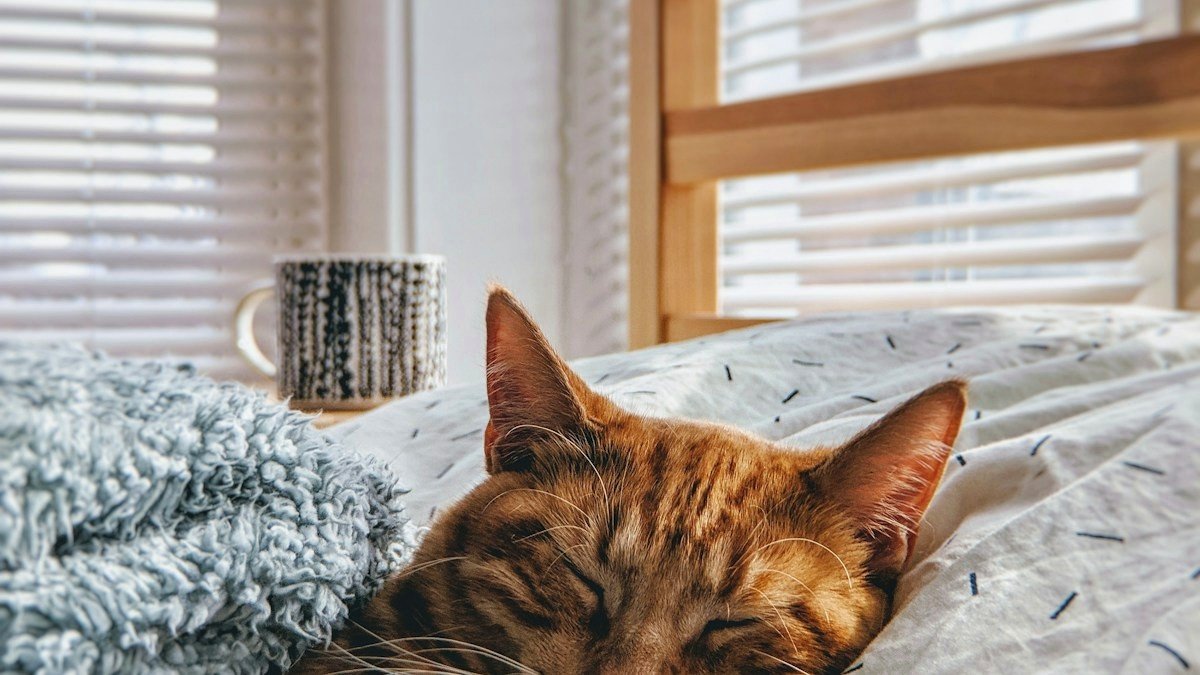
One of the most endearing and universally recognized feline behaviors is kneading, colloquially known as making biscuits. In this rhythmic ritual, a cat rhythmically alternates its front paws, pushing downward against a soft blanket, a cozy pillow, or their guardian’s lap while purring softly. While it looks like a simple mechanical motion, kneading is a deeply rooted evolutionary trait that bridges kittenhood instincts, territory marking, and emotional bonding.
The Scientific Reasons Why Cats Knead
Feline behaviorists and evolutionary biologists have identified several primary drivers behind why cats knead across different stages of their lives:
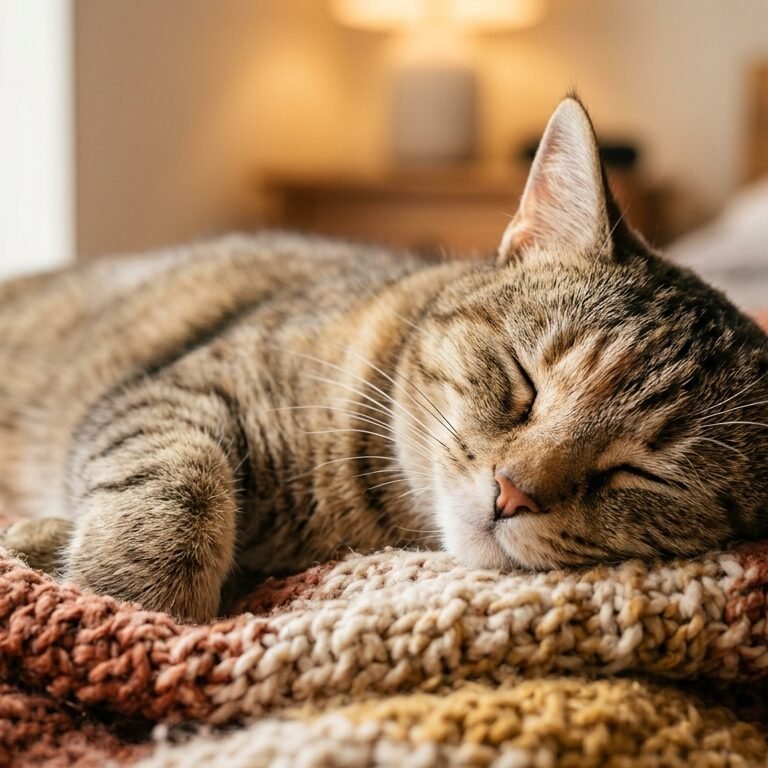
- Kittenhood Nursing Memory: Kneading begins in newborn kittens within hours of birth. Kittens paddle against their mother’s mammary glands to stimulate the release of oxytocin and milk flow. When adult cats knead on soft textures, they regress to this blissful, secure mental state, often purring, drooling slightly, or closing their eyes in complete trust.
- Scent Marking and Territory: Cats are scent-driven creatures. Hidden between the digital pads of feline paws are interdigital scent glands. When a cat presses and stretches its paws across a blanket or your lap, it deposits subtle pheromones that mark the area as safe, familiar, and personal territory.
- Deep Emotional Relaxation and Stress Relief: Kneading stimulates the release of calming endorphins in the feline brain. Cats often make biscuits before falling asleep or when unwinding from stress. It serves as an active self-soothing ritual.
- Ancestral Nesting Instinct: Wild feline ancestors did not have memory foam cushions or fleece blankets. In nature, wild cats trampled down tall savannah grasses, twigs, and foliage to create a soft, concealed sleeping nest and ensure no dangerous insects or predators hid beneath before lying down.
- Physical Stretching and Muscle Maintenance: Kneading provides an excellent low-impact stretch for a cat’s front limbs, shoulders, and spine after waking from long naps, maintaining joint flexibility and tendon health.
Affection Signal: If your cat kneads directly on your lap, chest, or legs, it is one of the highest compliments in feline body language. It demonstrates absolute trust, declaring that they feel as safe and nurtured in your presence as they did beside their mother.
Feline Kneading Behaviors and Associated States
Observe where and how your cat kneads to understand its specific emotional and physical motivation:
| Kneading Target | Accompanying Behaviors | Emotional Driver | Recommended Response |
|---|---|---|---|
| Human Lap or Chest | Loud purring, slow blinking, chin resting, light drooling | Profound affection, social bonding, maternal security | Gently stroke head and place a thick blanket barrier |
| Plush Blanket or Duvet | Sucking on cloth corner, rhythmic trance-like paddling | Comfort-seeking, soothing stress, kitten nostalgia | Allow peaceful continuation without sudden interruptions |
| Cat Bed Before Lying Down | Turning in tight circles, sniffing edges, yawn | Ancestral nest building, surface temperature check | Provide clean, warm bedding in quiet room corners |
| Standing on Hard Floors | Extending front claws into carpet, arching spine | Tendon stretching, waking up circulation | Offer sturdy horizontal or vertical scratching posts |
How to Handle Painful Claws While Kneading
Because cats extend their sharp claws while rhythmically pressing down, biscuit making can occasionally pinch human skin. Never punish or shout at your cat for kneading, as doing so breaks their emotional trust. Instead, adopt these positive management techniques:
- Keep Claws Trimmed: Regularly trim the sharp, curved tips of your cat’s front claws every 10 to 14 days using dedicated feline nail clippers.
- Use a Biscuit Blanket Buffer: Keep a dedicated, thick fleece throw blanket near your sofa or bed. Whenever your cat approaches your lap to knead, smoothly place the folded blanket between your legs and their paws.
- Redirect to a Soft Cushion: If the kneading becomes too intense, gently scoop up your cat and place it on a plush pillow right beside you, continuing to pet them so they remain relaxed.
Explore More Feline Behavior Guides on MyPetVista
Learn the vocal and behavioral science behind your cat’s habits:
Frequently Asked Questions (FAQs)
1. Do all cats knead?
No, not all cats knead as adults. While virtually all kittens knead to nurse, some adult cats outgrow the physical habit, expressing comfort purely through purring, head bunting, or vocal chirps. Both kneading and non-kneading cats are completely normal.
2. Why does my cat suck on blankets while kneading?
Sucking on blankets, wool, or clothing while kneading is known as wool-sucking. It is a juvenile nursing behavior that often persists in cats that were weaned slightly early or separated from their mother before 8 to 10 weeks of age.
3. Why does my cat drool when making biscuits?
Drooling during kneading is a physiological byproduct of intense happiness and deep neurological relaxation. Just like kittens anticipating mother’s milk, happy adult cats forget to swallow as their salivary glands activate.
4. Can kneading indicate that a cat is in heat?
Yes. Unspayed female cats going into estrus (heat) frequently knead the floor with their rear paws while elevating their pelvis, curving their spine into lordosis posture, and vocalizing loudly to attract mates.
5. Should I stop my cat from kneading?
You should never punish or forbid your cat from kneading. It is an instinctual expression of safety, peace, and affection. If their claws hurt, simply place a blanket over your lap or trim their nails rather than discouraging the behavior.
6. Why do cats knead on their owners’ stomachs or chests?
Kneading on your stomach or chest allows your cat to be close to your heartbeat, breathing, and body warmth. It signals profound bonding, viewing you as their primary protector and familial source of comfort.