The rhythmic, soothing rumble of a resting feline is universally recognized as one of the most comforting sounds in the companion animal world. For centuries, pet guardians assumed that purring was simply the feline equivalent of a joyful smile or a dog wagging its tail. However, modern veterinary science, animal behaviorists, and bioacoustic researchers have revealed that a cat’s purr is far more intricate than simple contentment. It serves as a complex communication system, a self-soothing mechanism during acute distress, and an extraordinary biological regenerative tool.
From the delicate vibrations of newborn kittens communicating with their mother to the restorative frequencies that assist in bone regeneration and muscle repair, purring encompasses a broad spectrum of physiological and psychological functions. Understanding the nuanced reasons behind this unique vocalization allows cat owners to decode subtle health signals, deepen their emotional bond with their pets, and recognize when a purr indicates comfort or silent distress.
Scientific Takeaway: Cats purr during both inhalation and exhalation at a continuous, consistent frequency between 20 Hz and 140 Hz. This specific acoustic vibration is biologically linked to cellular regeneration, pain alleviation, and emotional self-regulation.
The Biomechanics of a Purr: How Felines Produce the Sound
For many years, the precise biological mechanism responsible for the purr remained an anatomical mystery. Early theorists speculated that purring originated from blood rushing through the inferior vena cava or from specialized membranes within the thoracic cavity. Today, veterinary anatomists have confirmed that purring is governed by a neurological oscillator within the feline central nervous system.
The process begins deep in the feline brain, which dispatches rhythmic electrical impulses to the intrinsic laryngeal muscles located in the larynx (voice box). These impulses cause the muscles to rapidly contract and dilate at an astonishing rate of 25 to 150 vibrations per second. As the cat breathes, incoming and outgoing air hits the rapidly oscillating glottis (the opening between the vocal folds), abruptly separating the vocal folds and creating the continuous, low-frequency hum known as a purr.
Why Big Cats Roar While Small Cats Purr
An intriguing distinction in feline evolutionary biology is the divide between roaring cats and purring cats. Domestic cats, cougars, bobcats, cheetahs, and lynxes belong to the subfamily Felinae. These species possess a fully ossified, rigid hyoid bone that supports the larynx. This rigid skeletal structure enables continuous vibration during both breathing phases but prevents them from producing a deep, reverberating roar.
In contrast, roaring cats of the genus Panthera (such as lions, tigers, jaguars, and leopards) have an elastic, flexible cartilage ligament in place of a rigid hyoid bone, coupled with thick fibro-elastic tissue pads in their vocal folds. This unique adaptation permits deep pitch modulation and ear-splitting roars that carry across vast distances, but it physically prevents the rapid, continuous oscillatory mechanics required to purr.
The Emotional Spectrum: Why Cats Purr Across Different Contexts
While human listeners naturally associate purring with contentment, feline behaviorists emphasize that purring reflects high emotional arousal rather than happiness alone. Cats use this vocalization across four distinct emotional and social frameworks:
1. Deep Contentment and Social Bonding
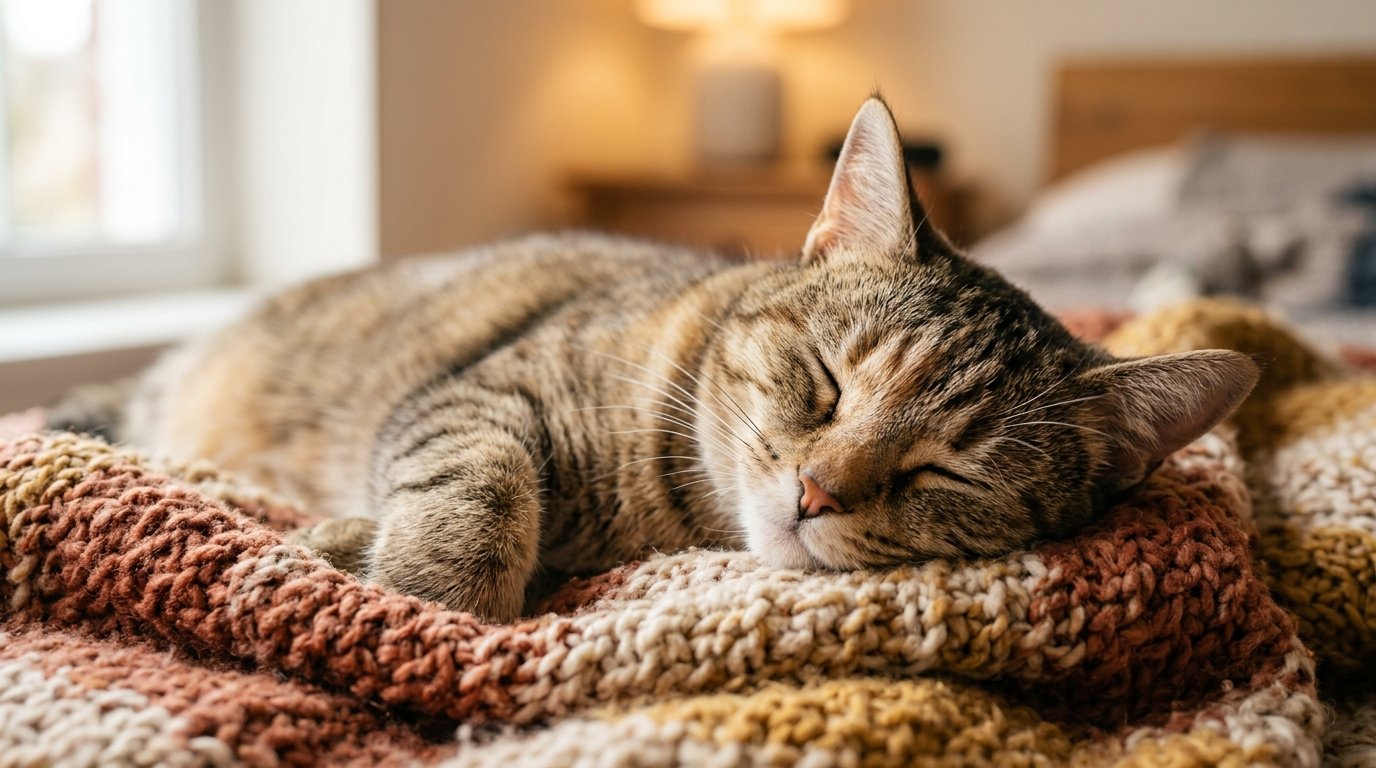
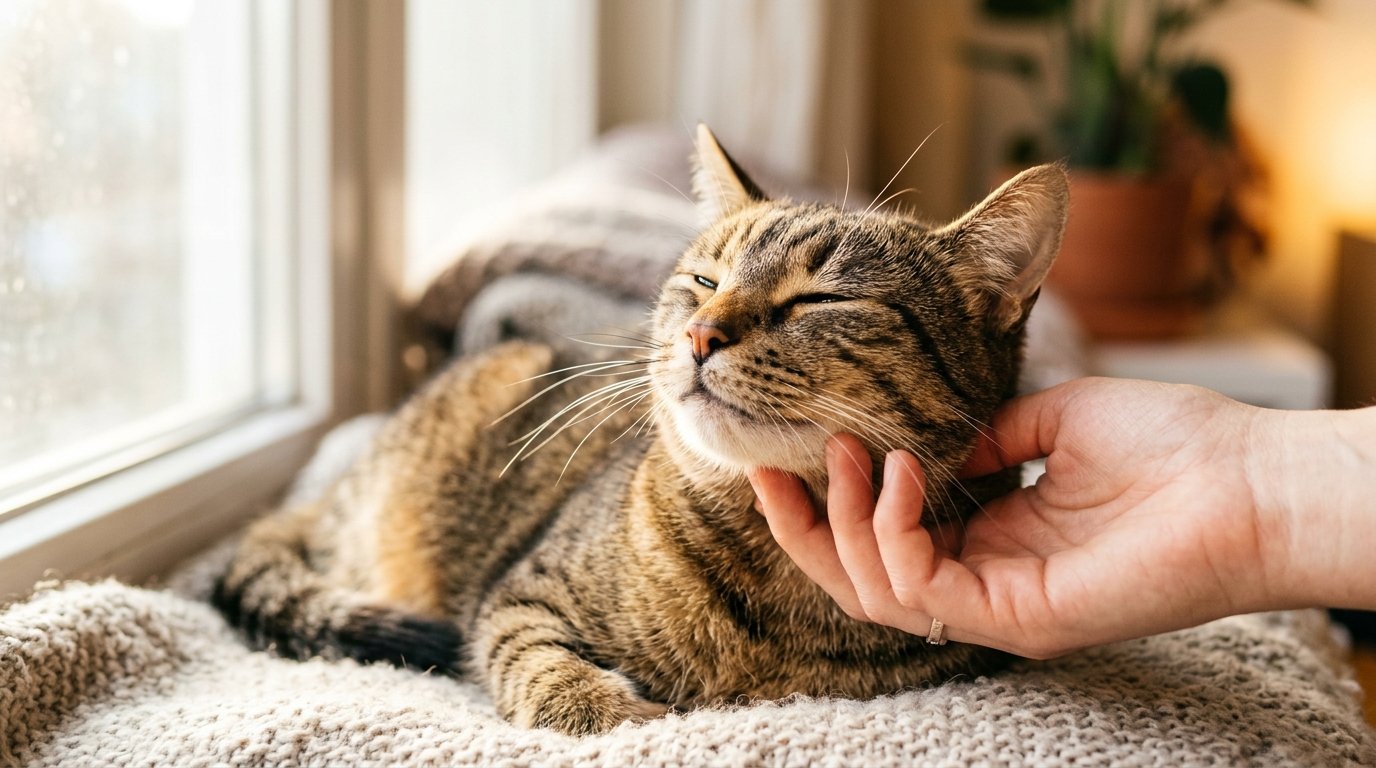
This is the classic purr observed when a cat curls up in a warm lap, basks in a sunbeam, or enjoys gentle chin scratches. Contentment purring is accompanied by visible physical signs of relaxation: semi-closed eyelids, slow rhythmic breathing, loose muscles, and soft rhythmic kneading. When cats purr in this state, their brain releases endorphins that promote deep peace and lower resting heart rates.
2. Maternal-Neonatal Communication
Purring is one of the earliest survival instincts developed by domestic felines. Newborn kittens are born blind and deaf, relying entirely on warmth and tactile cues. At approximately two days of age, kittens begin purring while nursing. Because purring occurs during continuous breathing, kittens can communicate their presence and contentment to the mother cat without interrupting their feeding. The mother purrs back in response, acting as an acoustic homing beacon and reassuring her offspring that the nesting den is secure.
3. The Solicitation Purr (Demanding Food)
Feline acoustic researchers at the University of Sussex made a fascinating discovery regarding how domestic cats communicate with humans. When cats demand food, their purr changes acoustically into what researchers term a “solicitation purr.” Within this purr, cats embed a high-frequency acoustic spike ranging from 220 Hz to 520 Hz—closely resembling the fundamental pitch of a human infant crying. This clever evolutionary tactic directly triggers human nurturing instincts, making the sound almost impossible for pet owners to ignore.
4. Self-Soothing and Anxiety Reduction
Veterinarians frequently observe cats purring vigorously while placed on an examination table, recovering from surgery, or giving birth. In these stressful situations, purring functions as an internal coping mechanism—similar to a human humming or taking deep rhythmic breaths to manage panic. The continuous mechanical vibration floods the cat’s neurological pathways with calming hormones, reducing blood pressure and providing psychological comfort in intimidating environments.
The Bioacoustic Healing Power: Feline Purr Frequencies
One of the most extraordinary scientific revelations surrounding feline purring is its bioacoustic therapeutic capability. Domestic cat purrs operate within a narrow frequency band of 20 Hz to 140 Hz, with strong harmonic peaks centered precisely at 25 Hz and 50 Hz. In clinical orthopedic medicine, non-invasive acoustic frequencies within this exact spectrum are widely utilized in human physical therapy to stimulate bone remodeling and tissue regeneration.
- Bone Density and Fracture Repair: Mechanical vibrational stimulation between 25 Hz and 50 Hz accelerates cellular osteoblast activity, strengthening bone density and hastening the recovery of micro-fractures.
- Muscle and Tendon Regeneration: Frequencies around 100 Hz to 120 Hz stimulate tendon tensile strength, relieve acute muscle cramps, and mitigate soft-tissue atrophy during periods of physical immobility.
- Pain Alleviation and Joint Mobility: The vibrational waves stimulate local blood circulation and prompt the release of endogenous analgesics, reducing chronic joint stiffness associated with osteoarthritis.
- Pulmonary Fluid Reduction: Low-frequency vibrations help loosen respiratory secretions, easing breathing in felines experiencing minor pulmonary congestion.
This bioacoustic mechanism provides an evolutionary explanation for why cats spend 14 to 16 hours every day resting or sleeping without suffering from severe muscular degeneration or brittle bones. Purring acts as an energy-efficient internal low-frequency workout that maintains musculoskeletal integrity throughout a cat’s lifetime.
Human Health Benefit: Scientific cardiovascular studies demonstrate that living with a cat and listening to its purr reduces human psychological stress, stabilizes autonomic heart rate variability, and can reduce the long-term risk of heart attacks and strokes by up to 33 percent.
How to Decode What Your Cat Is Saying: Body Language Clues
Because purring can indicate both serene joy and severe anxiety, pet parents must evaluate the sound alongside the cat’s full body language. Observing subtle anatomical cues helps distinguish between a happy purr and a stress purr:
- Facial Expression and Whiskers: Relaxed whiskers resting slightly forward and soft, half-closed eyes signify tranquil contentment. Stiff, flattened whiskers pulled tightly against the cheeks indicate defensiveness or tension.
- Ear Posture: Upright, forward-facing ears reflect confidence and curiosity. Ears rotated outward or flattened back into an “airplane mode” signal alarm, stress, or fear.
- Tail Movements: A gently resting tail or a tail held high with a soft forward curve demonstrates social security. A twitching, lashing, or tucked tail during purring indicates irritability or discomfort.
- Accompanying Behaviors: A happy cat will often combine purring with rhythmic paw paddling—learn more about why cats make biscuits and knead blankets—or affectionate grooming. You can also explore why cats lick you and groom human companions to understand how mutual grooming reinforces social bonds.
Comprehensive Comparison Table: Cat Purr Types, Frequencies, and Body Signals
The following diagnostic overview compares the major purring categories, acoustic frequency profiles, behavioral indicators, and recommended responses for pet owners:
| Purr Category | Dominant Frequency | Underlying Motivation | Observable Body Language | Recommended Action |
|---|---|---|---|---|
| Contentment Purr | 25 to 50 Hz | Relaxation, bonding, emotional comfort | Soft eyes, slow blinking, kneads paws, limp body | Gentle petting, speak softly, maintain calm environment |
| Solicitation Purr | 220 to 520 Hz (embedded peak) | Hunger, attention demand, breakfast request | Rubs against legs, tail upright with hooked tip, vocal pacing | Check scheduled feeding, refresh water, engage briefly |
| Maternal & Neonatal | 20 to 40 Hz | Nesting security, mother-kitten recognition | Curled around litter, rhythmic suckling posture | Ensure quiet nesting area, avoid unnecessary disturbance |
| Anxiety / Stress Purr | Variable (25 to 75 Hz) | Fear reduction, appease threats, clinic visits | Tense muscles, dilated pupils, crouched posture, flat ears | Give space, reduce loud sounds, use synthetic pheromone sprays |
| Pain / Dyspneic Purr | Steady low tone (25 Hz) | Self-healing, end-of-life coping, physical injury | Hiding, rapid shallow breaths, hunched spine, glazed stare | Urgent veterinary evaluation, careful transport without pressure |
When Purring Signals a Medical Emergency
Because purring releases endorphins, cats often activate this response when experiencing physical trauma, acute labor pains, or progressive systemic illness. Known colloquially among veterinarians as the “pain purr” or “healing rumble,” this manifestation must never be mistaken for contentment.
If your cat is purring continuously while exhibiting any of the following clinical warning signs, seek veterinary assistance immediately:
- Purring accompanied by rapid abdominal breathing, wheezing, or open-mouth panting. Review our clinical guide on why cats cough and signs of respiratory distress.
- Purring while refusing food for longer than 24 hours, persistent lethargy, or hiding in dark secluded closets.
- Purring combined with an arched hunched posture, squinting eyes, or an unwillingness to bear weight on limbs.
- Sudden vocalization or uncharacteristic aggression when specific body regions (such as the abdomen or hindquarters) are gently touched.
Scheduling periodic wellness checks is essential for preventing silent health deterioration. For comprehensive preventative recommendations, read our complete overview on routine vet care for cats, vaccines, and early diagnostic checkups.
Recommended Reading on Feline Behavior & Health
Frequently Asked Questions (FAQs)
1. Do cats purr only when they are feeling happy?
No. While contentment is the most familiar trigger, cats also purr during episodes of intense fear, severe physical pain, during veterinary examinations, or while recovering from surgery. In painful or stressful contexts, purring acts as an involuntary neurological self-soothing mechanism that releases calming endorphins.
2. Can large wild cats like lions and tigers purr?
No. True roaring cats belonging to the Panthera genus (lions, tigers, leopards, and jaguars) possess an elastic cartilage ligament in their hyoid bone that allows roaring, but prevents continuous purring. Only smaller feline species (including domestic cats, cougars, cheetahs, and bobcats) have the rigid, fully ossified hyoid bone necessary to maintain a purr.
3. Why does my cat purr loudly right before feeding time?
This behavior is known as a solicitation purr. Cats modify their normal purr by embedding an ultrasonic, high-frequency cry (between 220 Hz and 520 Hz) that closely mirrors the acoustics of a human infant crying. This acoustic adaptation triggers an innate human caregiving response, prompting owners to dispense food more quickly.
4. Can a cat purr while inhaling and exhaling at the same time?
Yes. Unlike human vocalizations which only occur during exhalation, a feline purr is continuous across the entire respiratory cycle. Rapid neural impulses oscillate the laryngeal glottis at 25 to 150 cycles per second, allowing the cat to purr seamlessly while breathing in and out without pause.
5. Is it scientifically proven that cat purrs heal human bodies?
Yes, bioacoustic studies have shown that frequencies between 20 Hz and 140 Hz stimulate cellular repair, bone remodeling, and muscle tension relief. Furthermore, petting a purring cat reduces cortisol secretion, stabilizes blood pressure, and lowers the risk of cardiovascular events by up to 33 percent.
6. Why does my cat suddenly bite or stop purring while being petted?
This reaction is known as petting-induced overstimulation. Repetitive physical touch can overwhelm a cat’s sensitive cutaneous nerve receptors. When their sensory threshold is reached, their autonomic nervous system shifts abruptly from contentment to defensive hyper-arousal, causing them to bite or abruptly walk away.